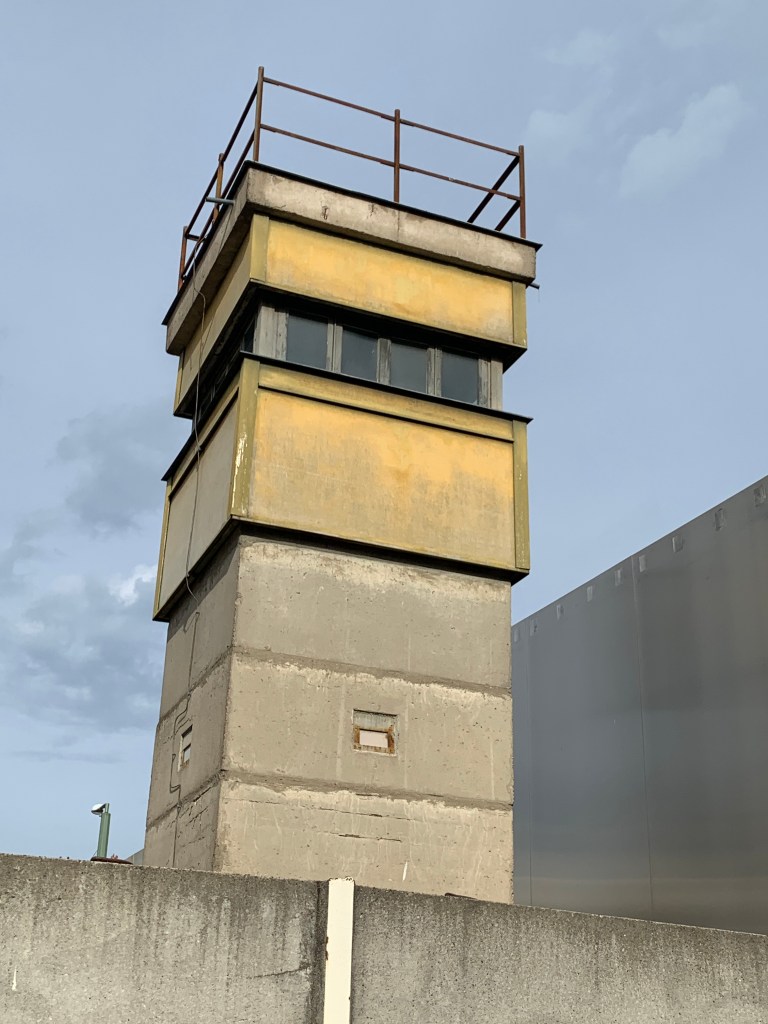
STASI state security police along with the Eastern Berlin Communist authorities used different methods to track those trying to run across the 100 yard no man’s land from the wall to freedom. Most often they were shot dead by guards in the towers along the wall. Guard towers manned by two soldiers but with alternating guards in a post there was no talking in case one was STASI.

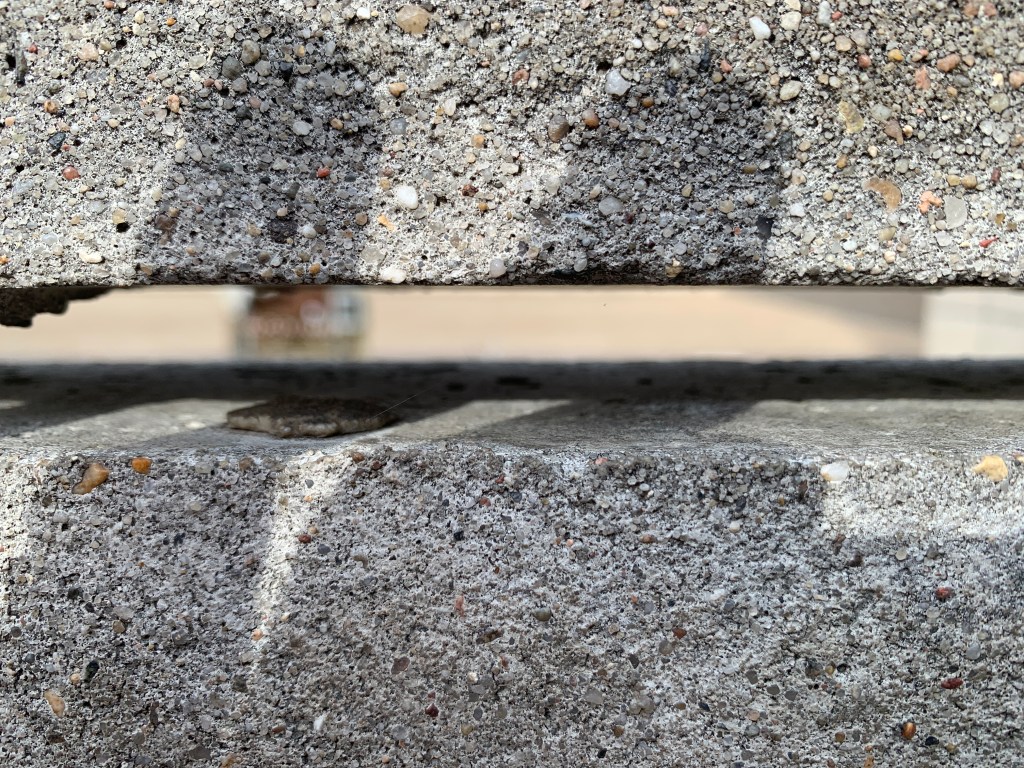
The top of the wall was rounded to make it difficult to climb over and it is 25 feet tall

Church of reconciliation blown up by the communists.
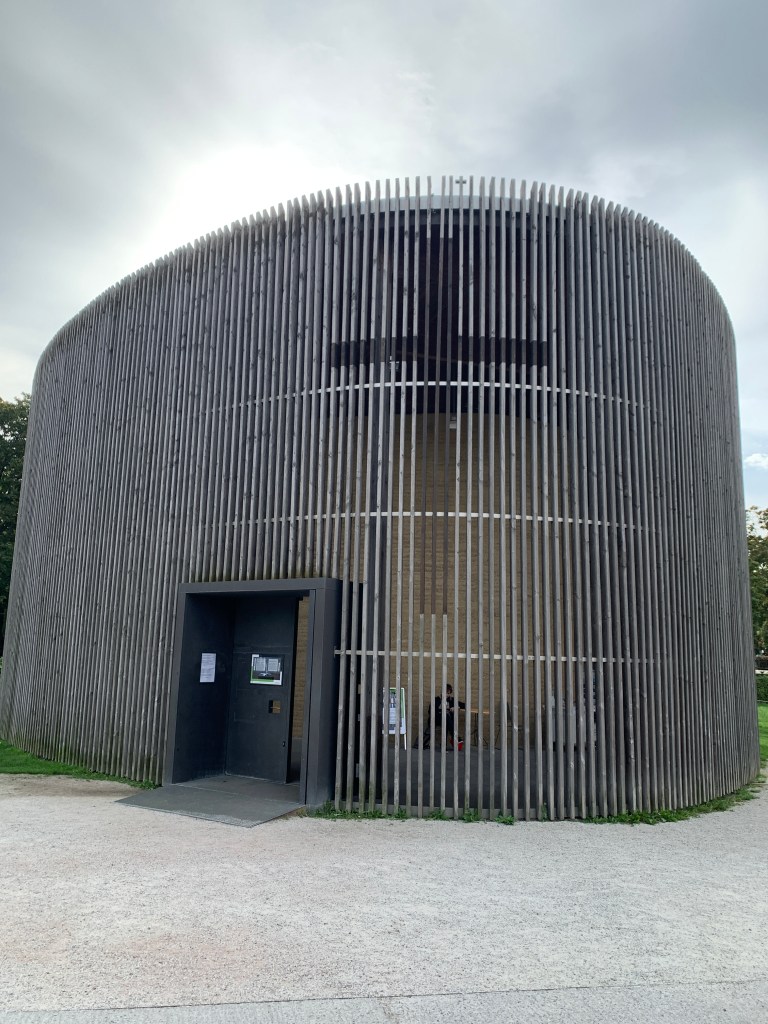
The Bells ring 140 times in memory of those who died escaping
A shadow of bad time post war
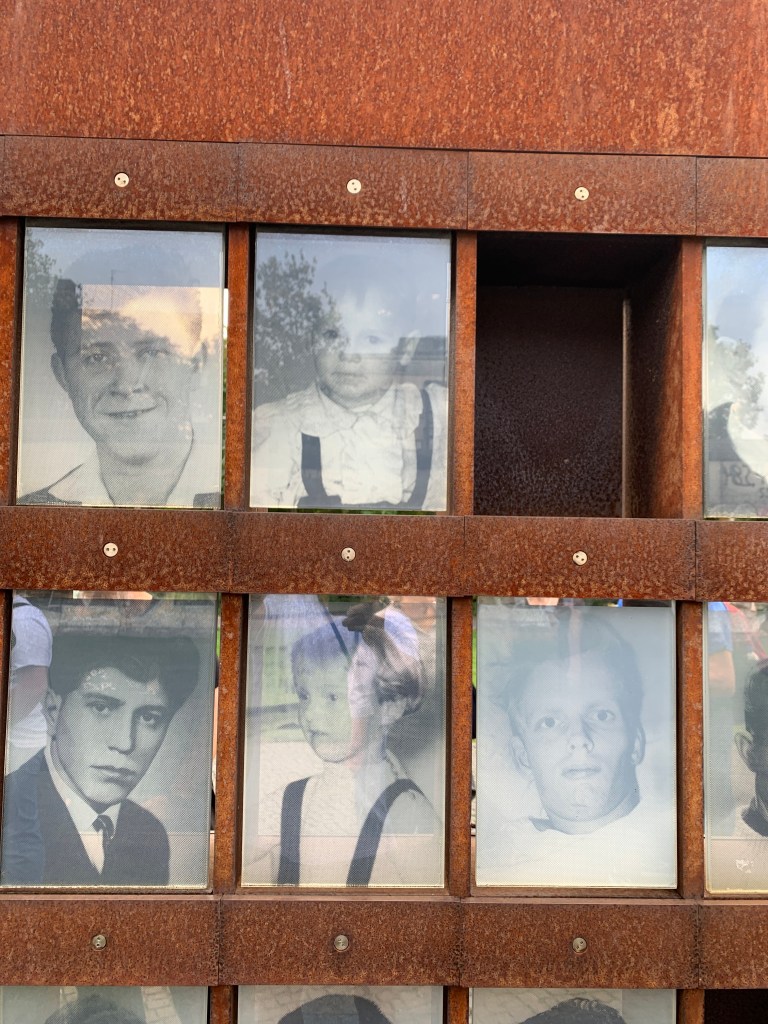
One of many memorials of those who were killed trying to escape. Not on the scale and horror of the Nazis but so close to the end of the war to be klling more innocent people, including children, as depicted here

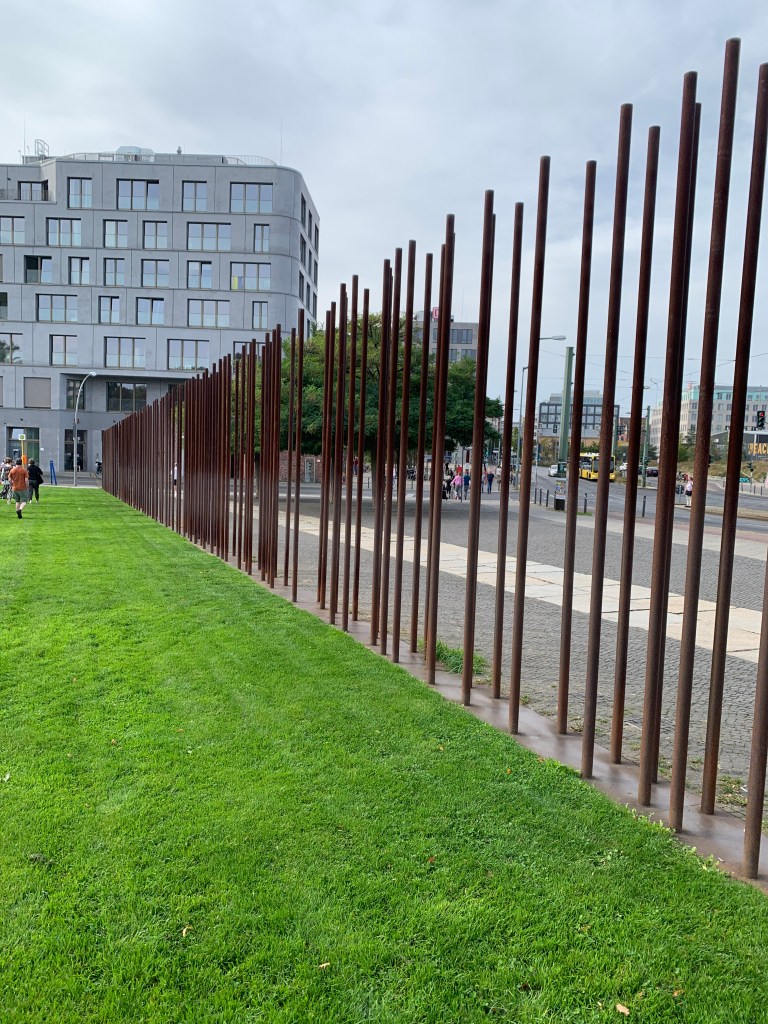
The remnants of the wall remain standing all over Berlin. The no mans land now a grassy field for all to enjoy, and hopefully reflect on what happened and know still could.

Metal posts replacing where the wall was
We left Berlin for Dresden on October 4th.
Dresden
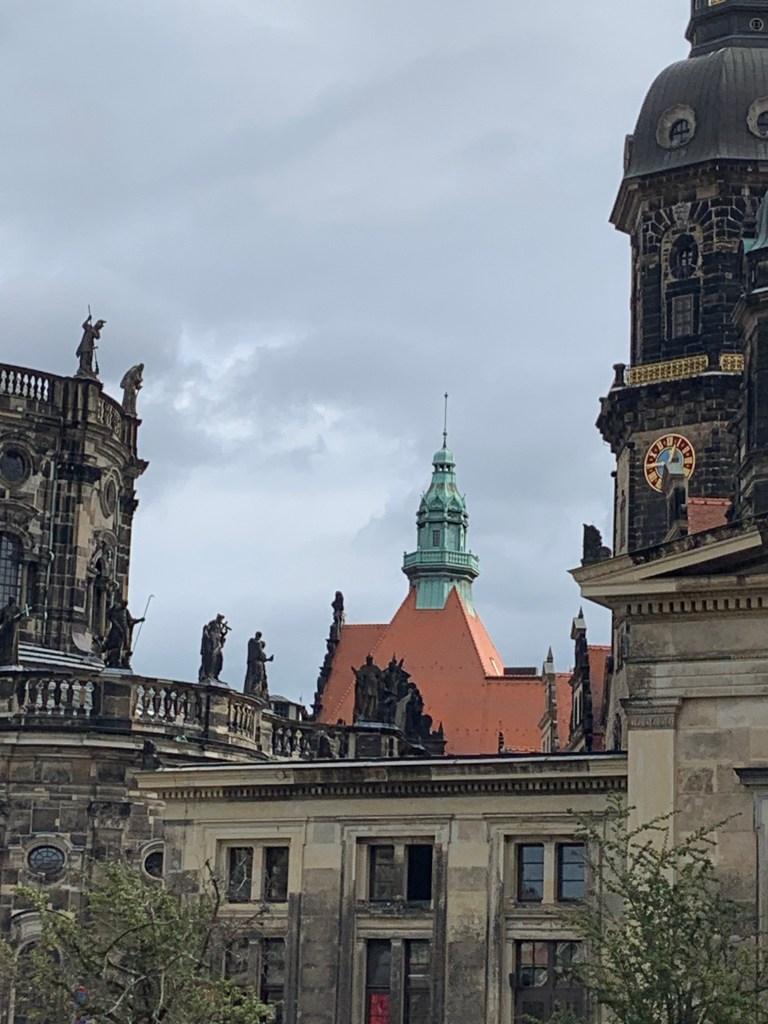
Compared to the bustling city of Berlin, a nice change of pace. It was easy to get around and see the churches and palaces, many damaged or destroyed in the bombing of Dresden, so much of what you see was painstakingly restored. As a reminder, practical as well, was the re-use of as much of the stone and you will notice the discoloration of the older stone, which is much darker than the newer stone. It is a visible reminder of the toll on the buildings but much more importantly the loss of over 25,000 lives due to the bombings. The Allies wanted to continue destroying German war industry but by 1945 it was all ready evident that they had lost the war. The cause was noble, beat back tyranny. As always, innocence suffers, like Ukrainians today.
Our local guide for our tour of Dresden
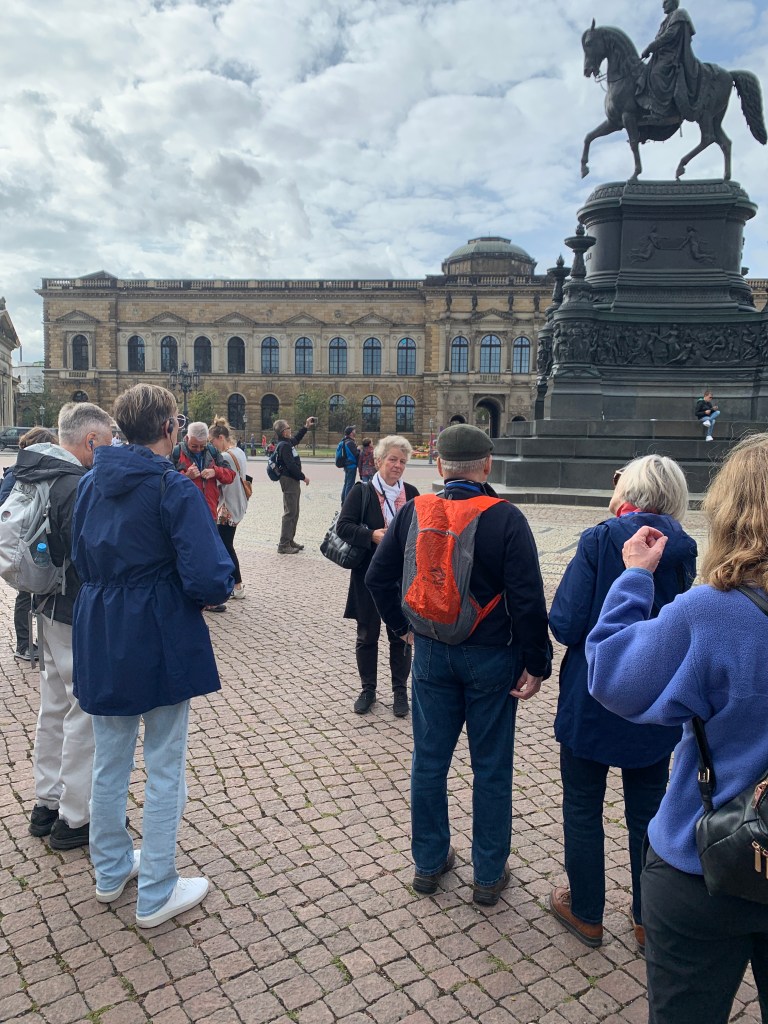
Our group

As bombed out as Dresden was it’s ruined buidings, lots of chuches, Opera house and palaces have been restored. They used a combination of new stone and original so you can see the discolored stone intermixed with the new.
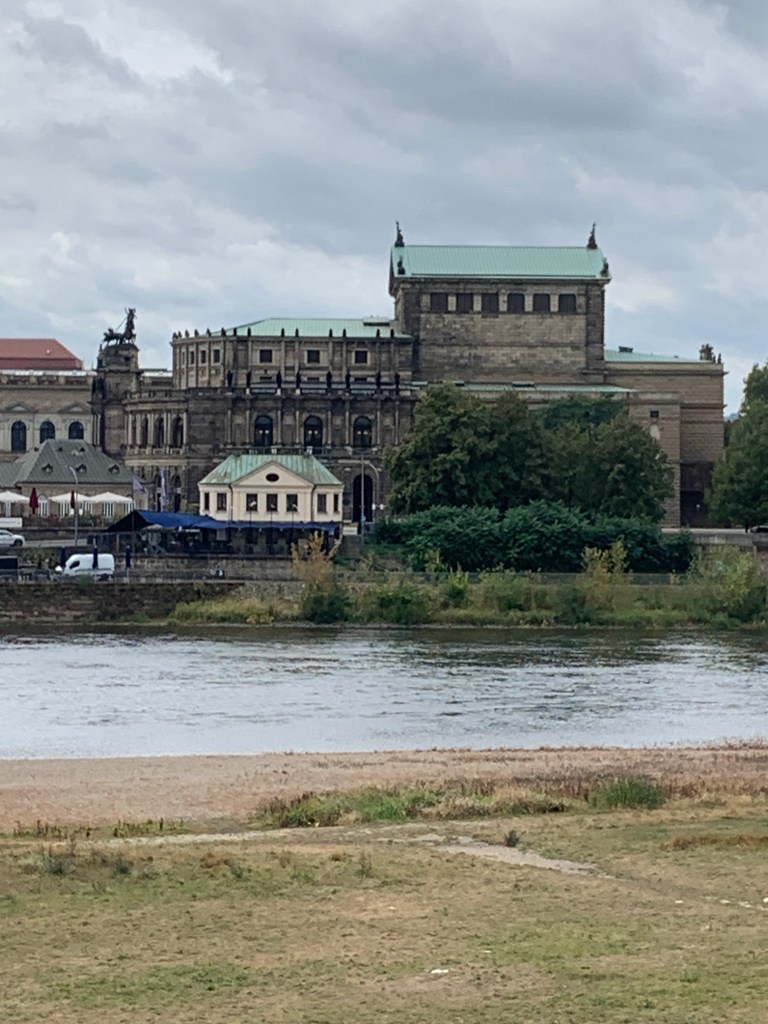
Opera House as seen from across the river Elbe
The Catholic Church

Protestant church
A pan shot of the famous Meissen Porcelelain tiles
In the palace work being done in the central courtyard. The escavation is slowed up because the dirt has to be sifted for artifacts
Dresden was the city where Martin Luther started the Protestant reform movement, casting off the Catholic hegemony in religious observance, happened here
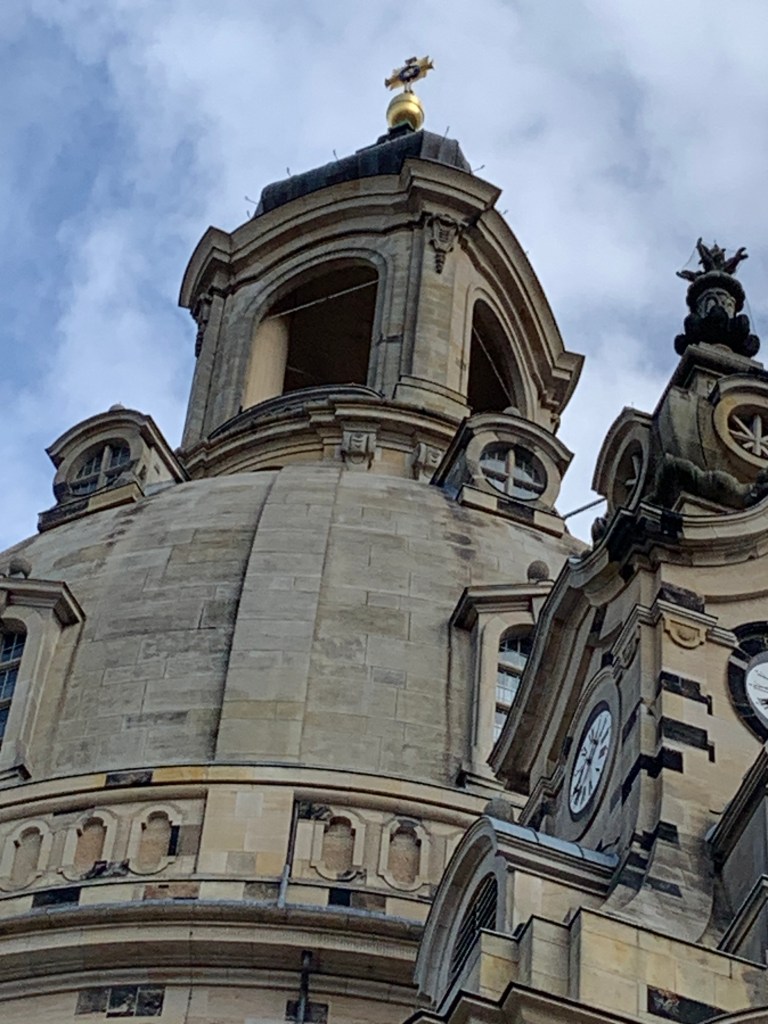
This Protestant church was bombed by the allies in 1945 The dome weighed 12000 pounds and with the sides of the church collapsing, the dome collapsed into the rubble. Afrer the war the church was rebuilt,England sent a gold cross to set atop the dome, a symbol of peace.
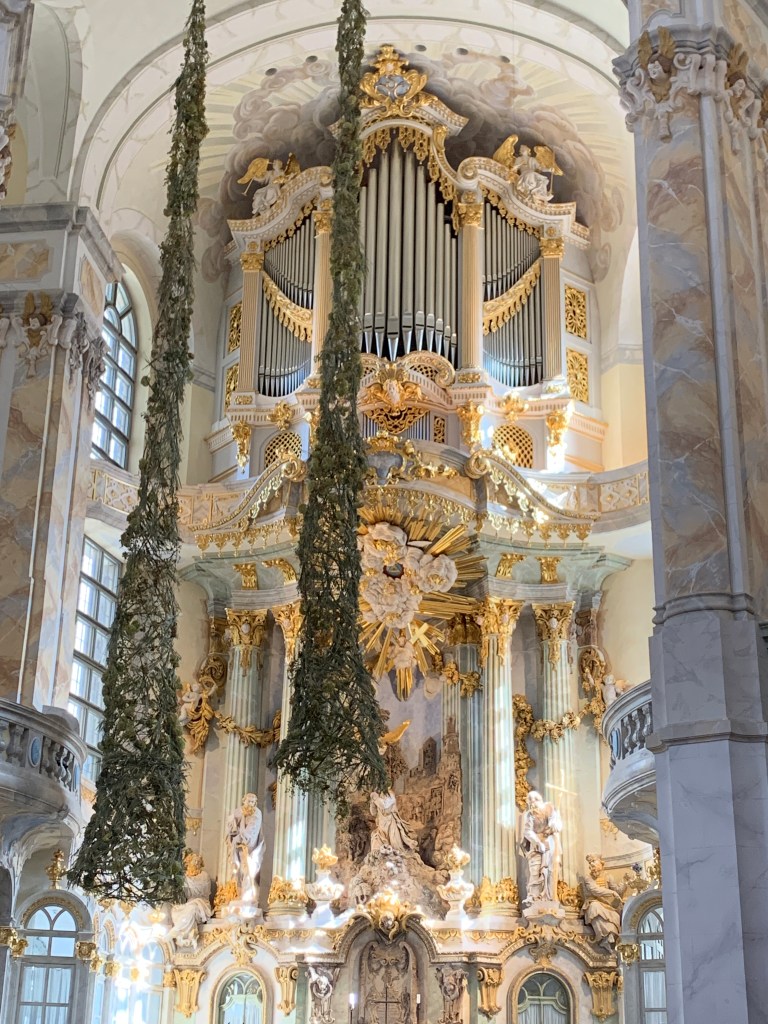
Inside the church
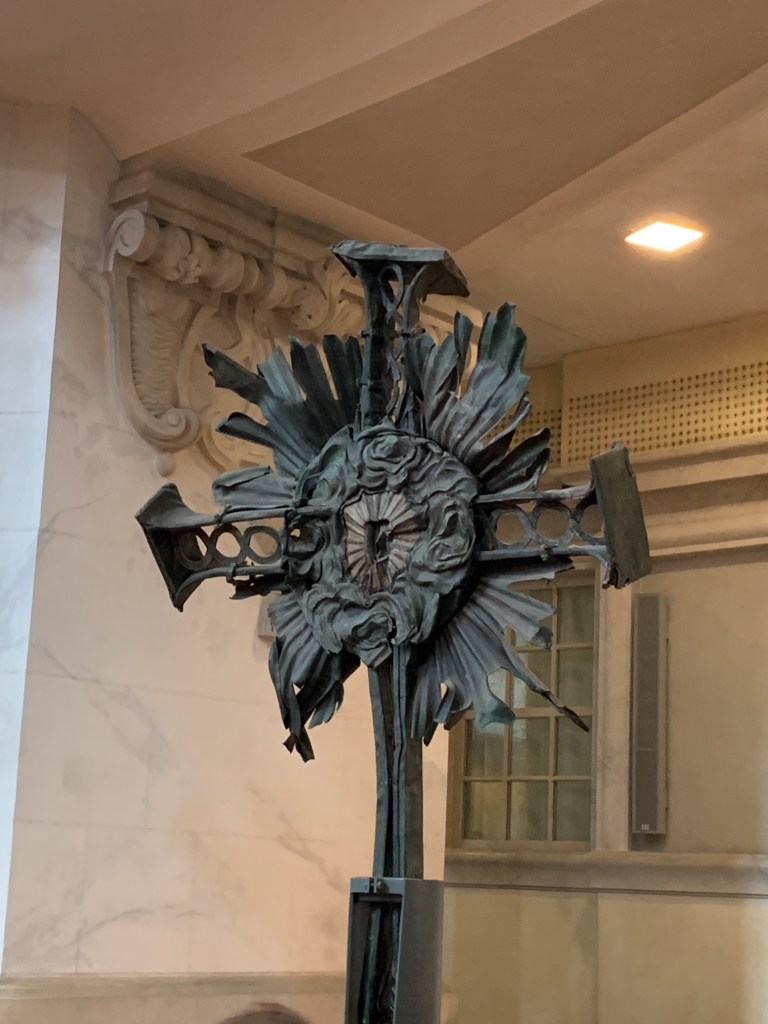
Below is a metal sculpture made by a British bombardier acknowledging the British role in the bombing
On October 5th we depart Dresden for PragueOur first stop was to tour a Nazi prison camp in Terazin
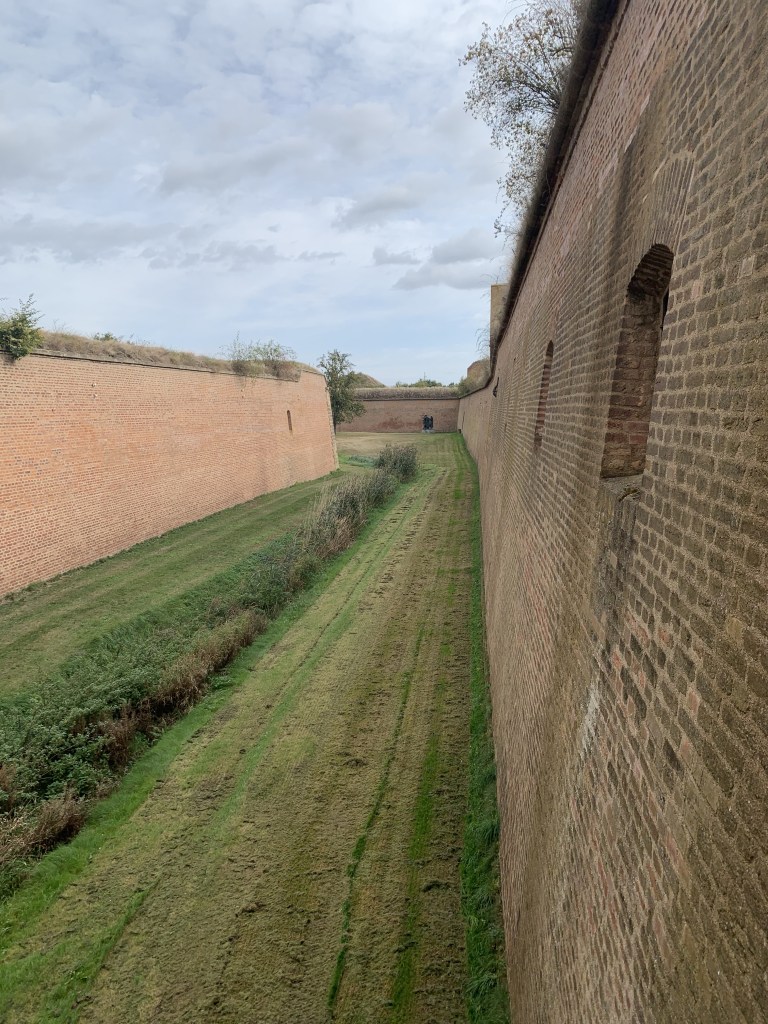
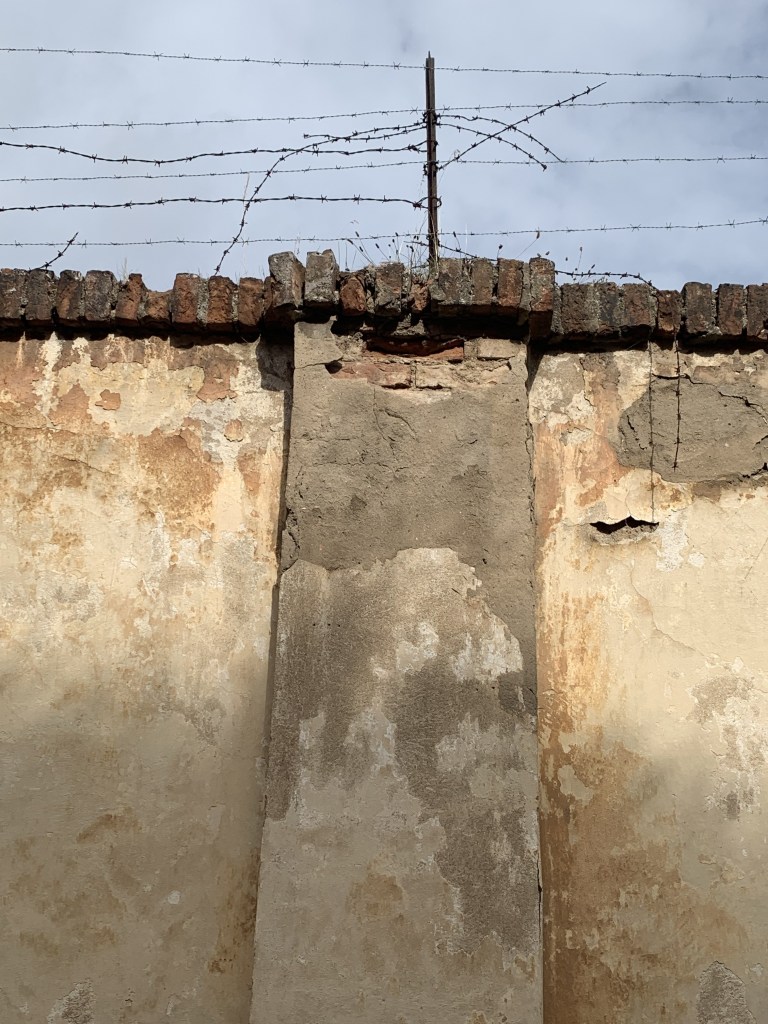
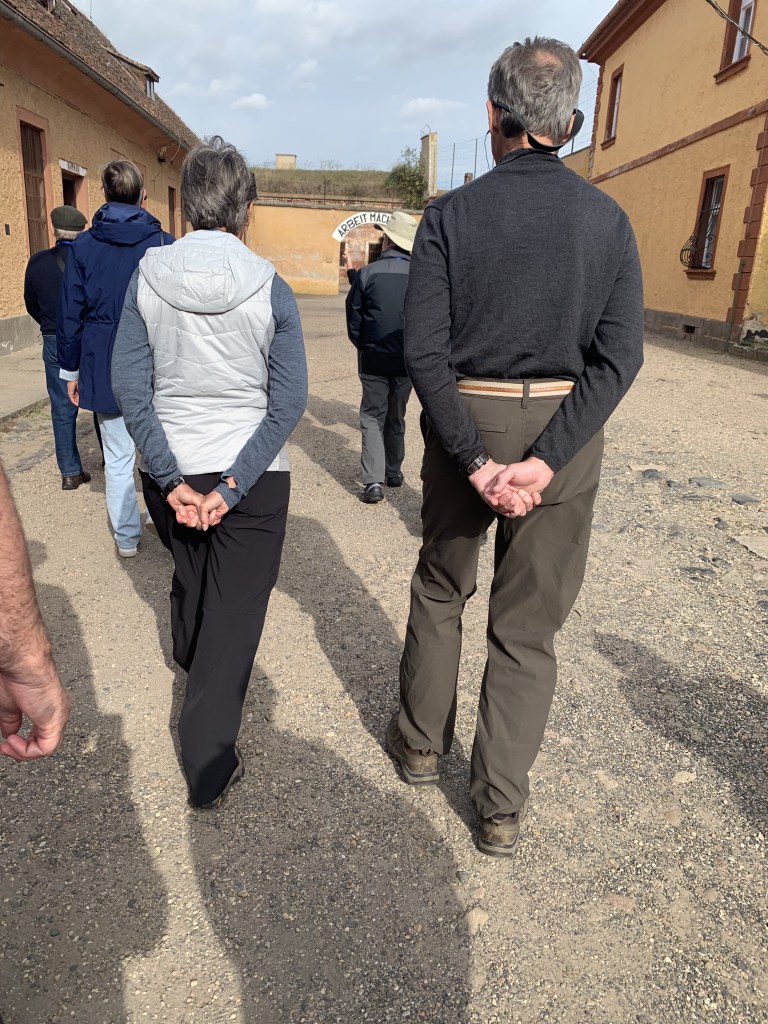
Terazin was originally a fortified fortress that the Nazi’s saw as a naturally enclosed area that could be used to round up the Jewish people in the surrounding area and imprison them. The ominous implication was the eventual deportation of them to the death camps. In all over 58,000 Jews were incarcerated here.
A look at the walls of Terazin
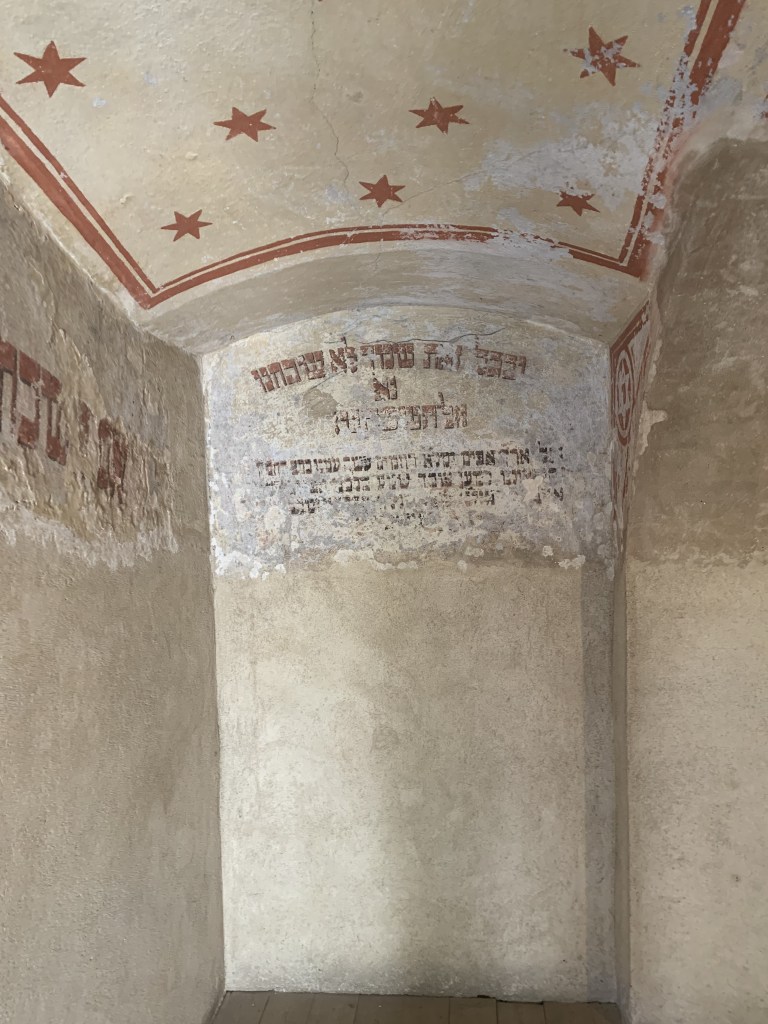
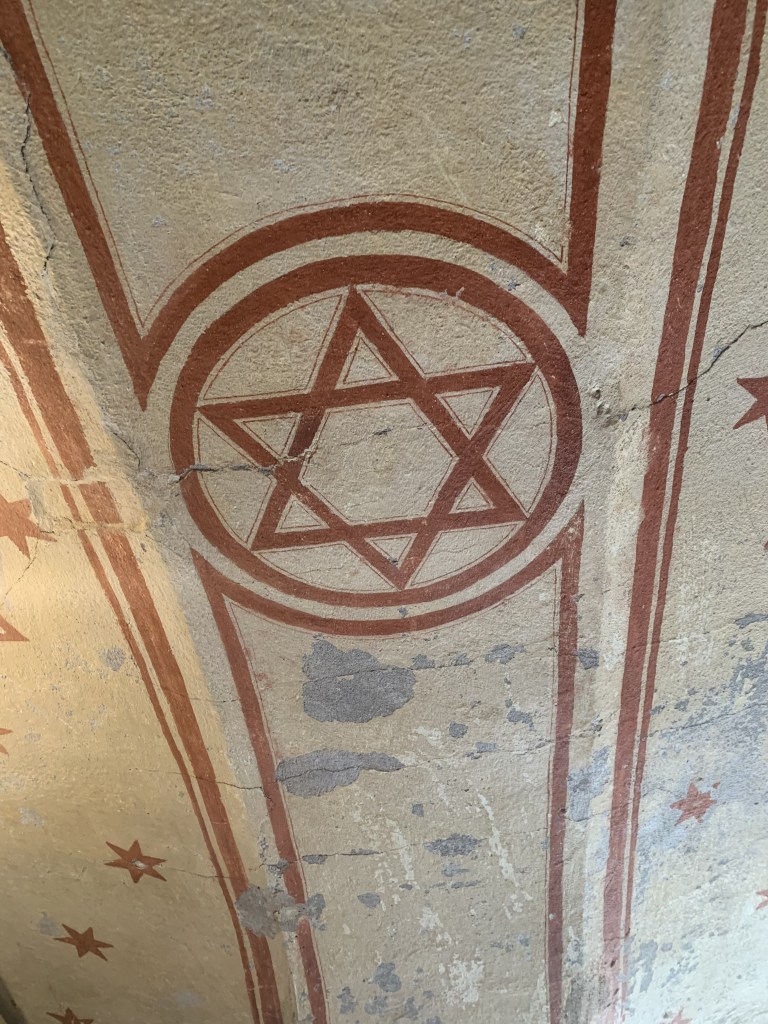
As a living testament to the faith within the walls a secret Synagouge was built inside a home
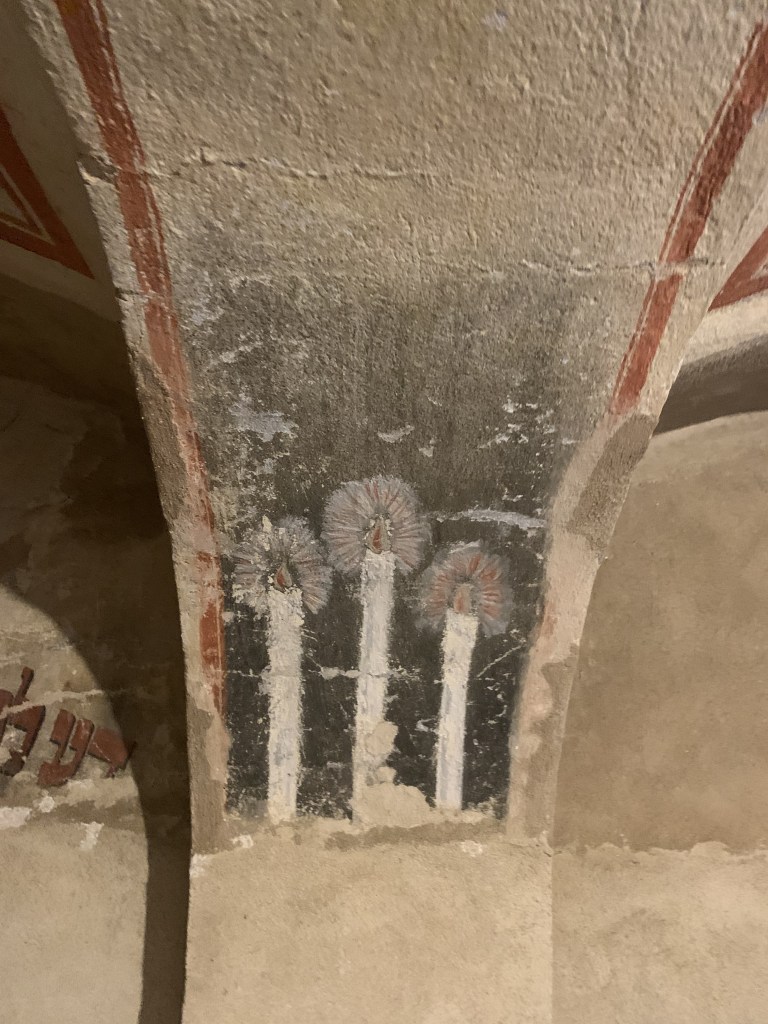
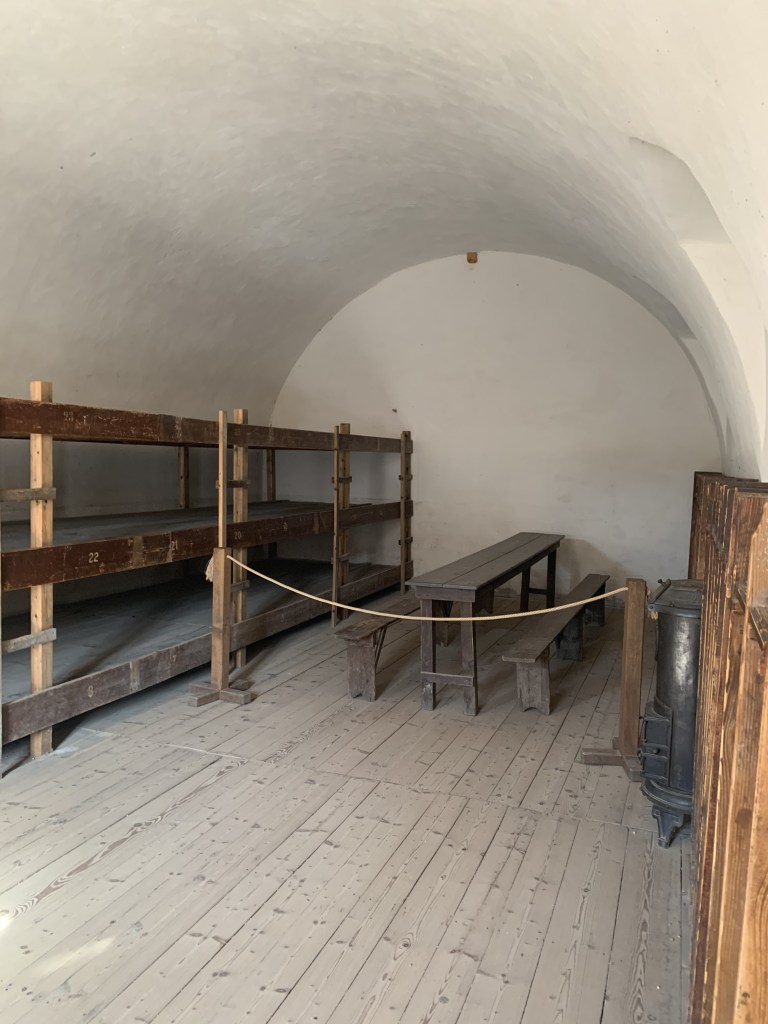
Inside the barracks where the people lived up to 30 people in a small room
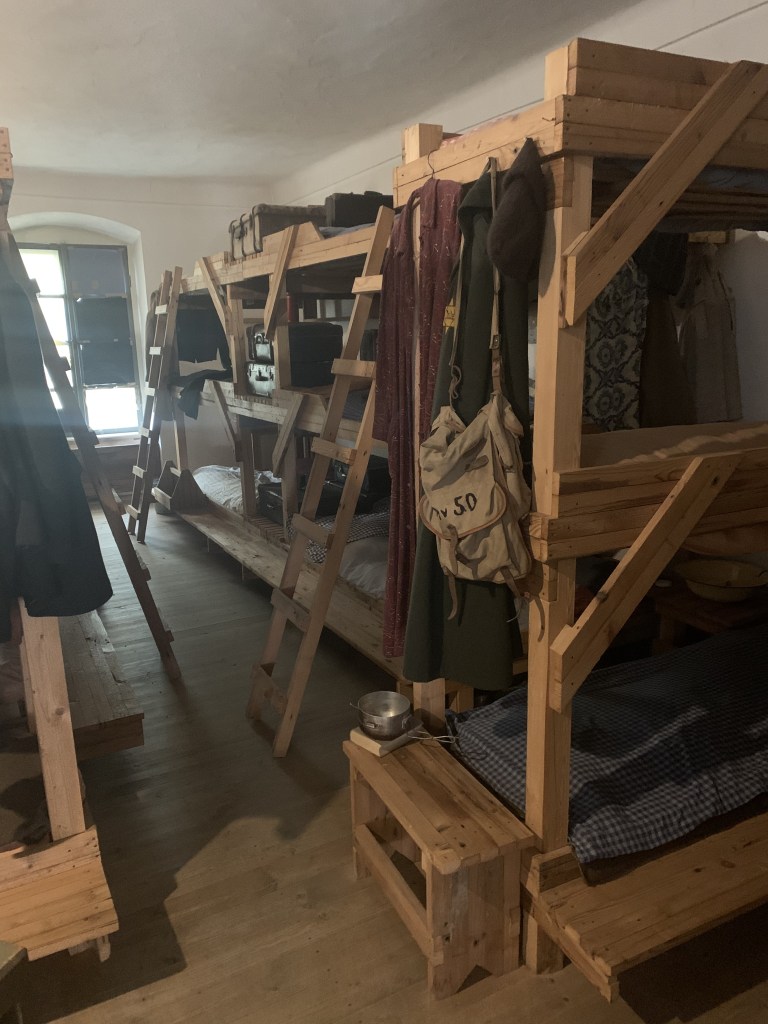
It was a contemplative visit
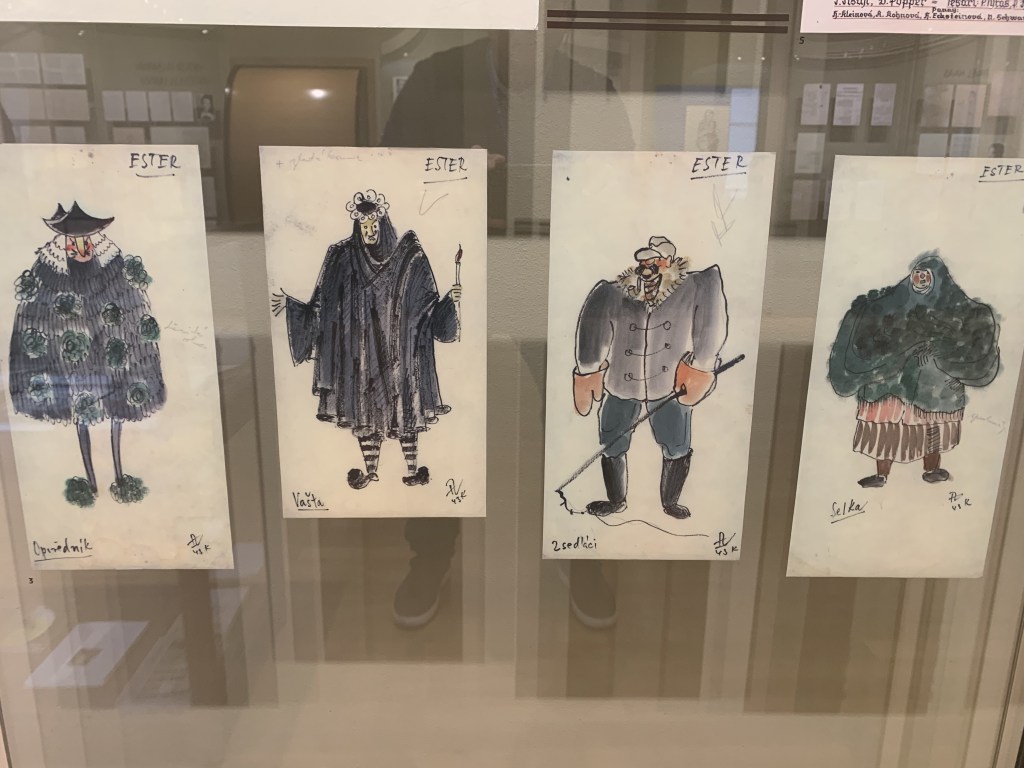
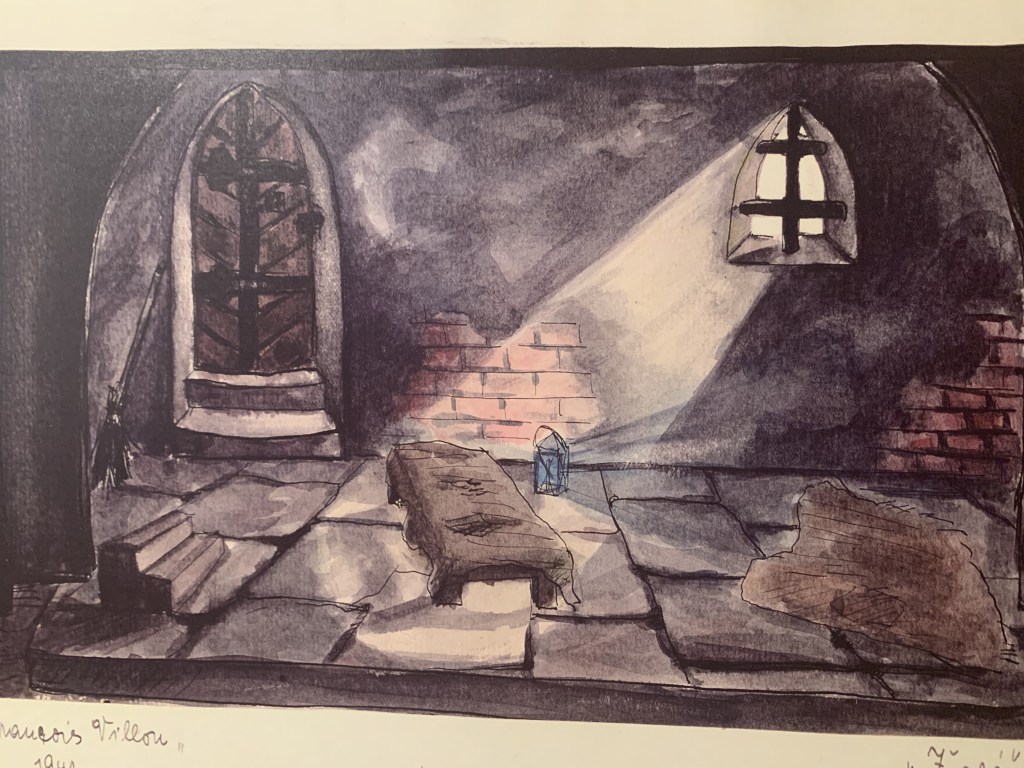
Even in the most dire of situations for people to try and survive, the creative spirit and imagination still thrived in the art and writing in the camp. Just a few of those named in the museum gives you a sense of the sustaining collective effort to see the world as more than the evil surronding them. A young 14 year boy Petr Ginz created a magazine captuing the life in the camps. He was eventually sent to a death camp
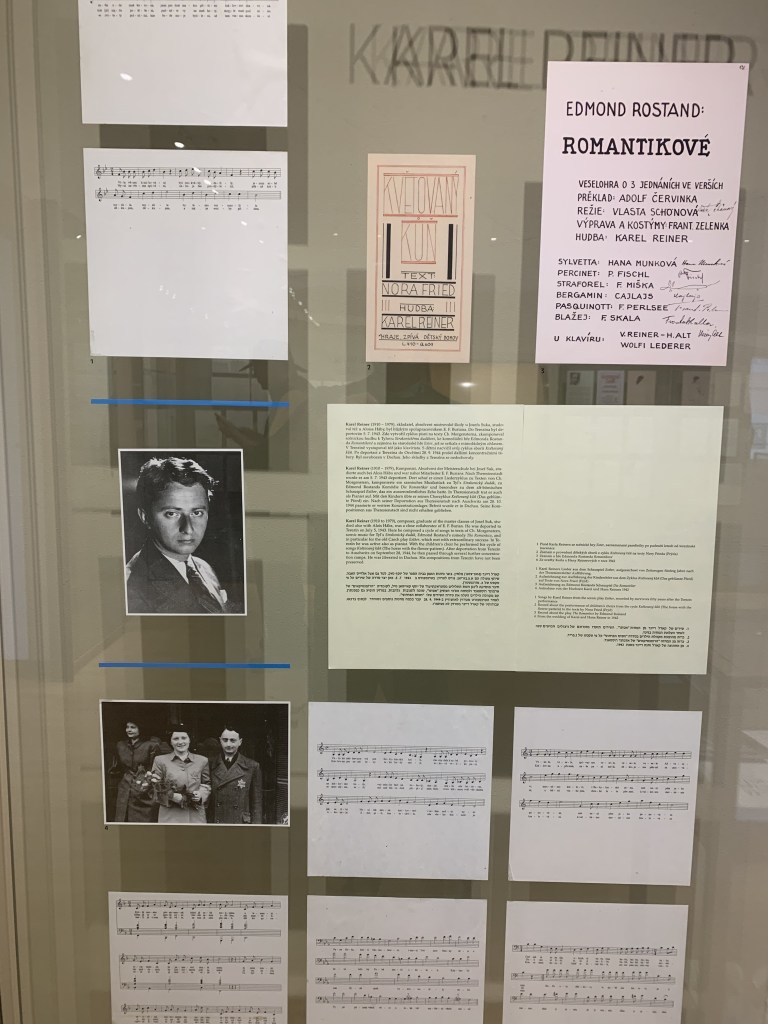
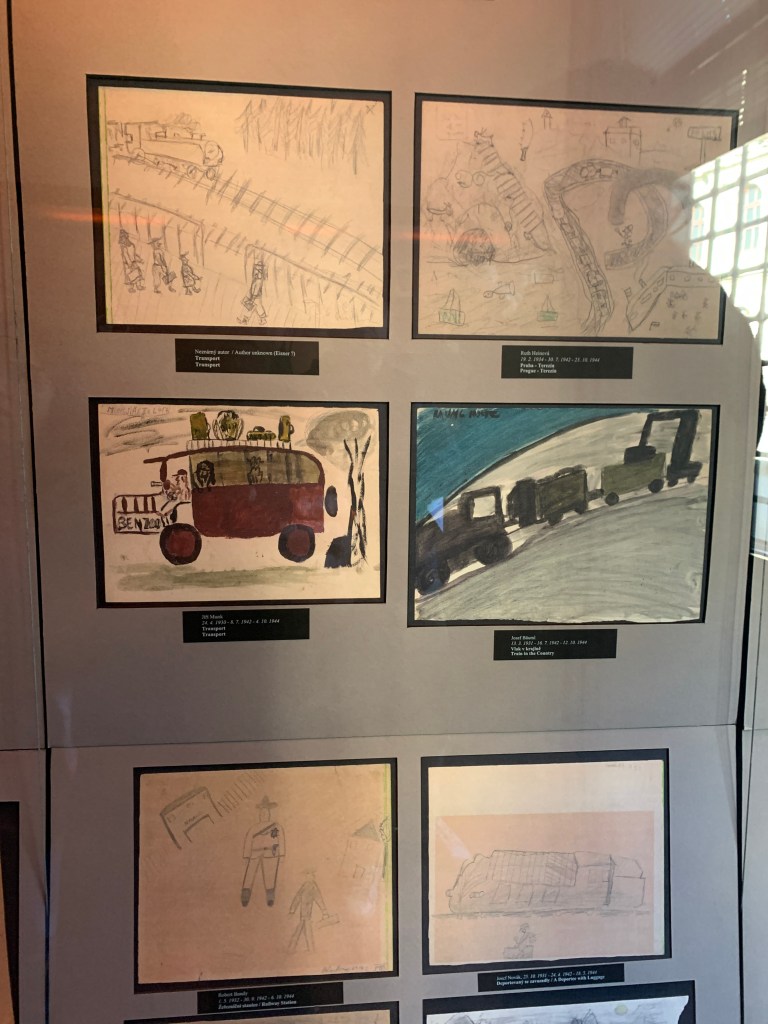
The art work of Terazin on display in the museum gives you a sense of what they saw, and what could be yearned for in their imaginations

Light illuminates
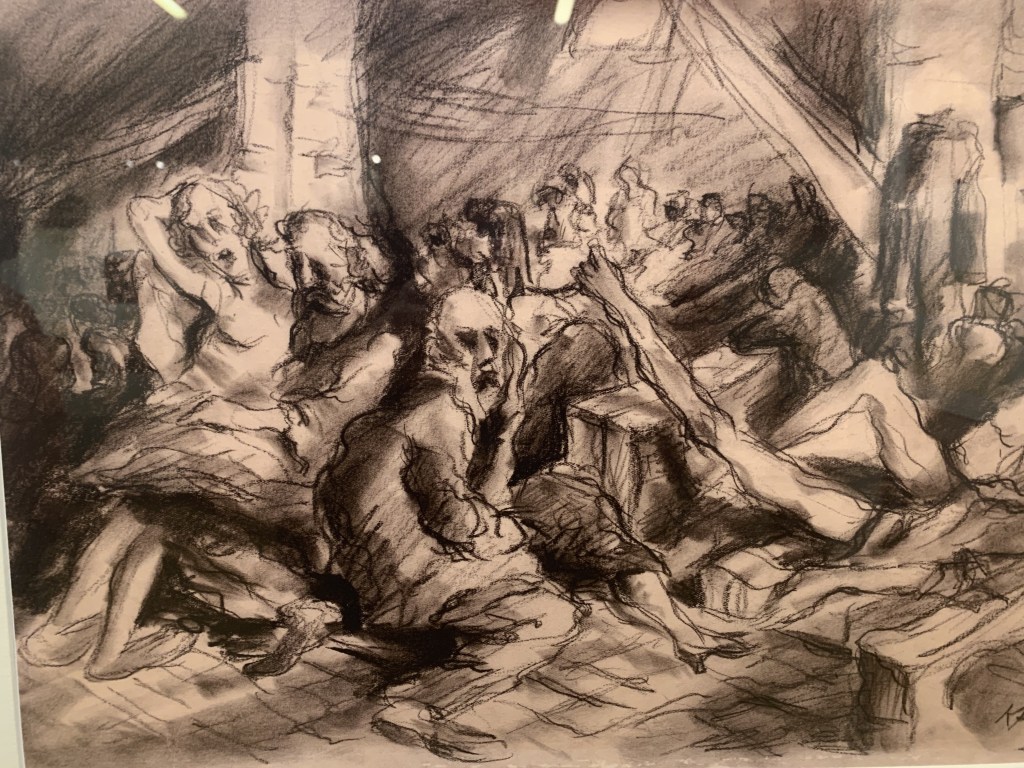
Picture of the horror
On to Prague as you can see this trip through Germany, Czechoslovakia, and Austria, while full of interesting sights has a somber feeling too, based on the evil perpetuated here on people because of their origin or race. I don’t think it too cliche to say, could it happen again. When you seek political ends by demonizing others, it is indeed quite possible. Witness the rise of authoritarianism not only elsewhere but in America as well. When in places like Germany you appreciate what America not only represents now, but the liberation of Europe from tyranny.
On our tour of The Czech Republic we went to the, so designated in the day ,Jewish district. Here flourished the many Jews herded into this area. There are beautiful Synagogues ,and reminders of the what happened here in the past, with bullet holes still visable in buildings. Due to extreme right wing movement, to this day, little children need to be escorted from morning services to their school. You will see soldiers guarding the Synagogues.
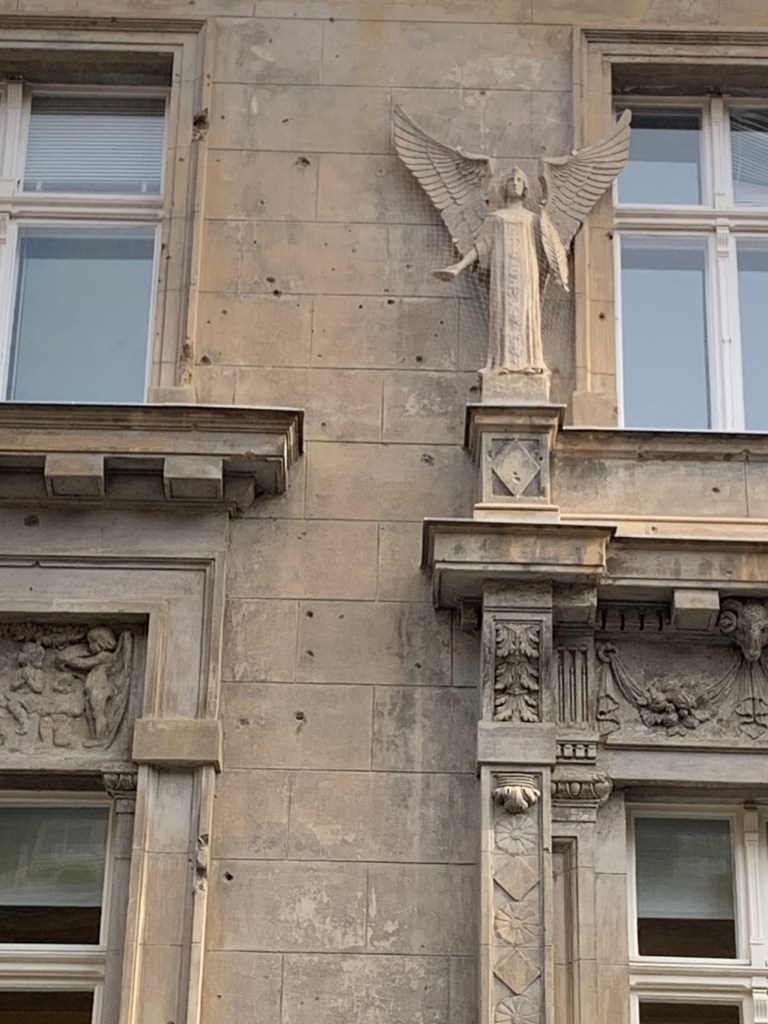
Bullet holes
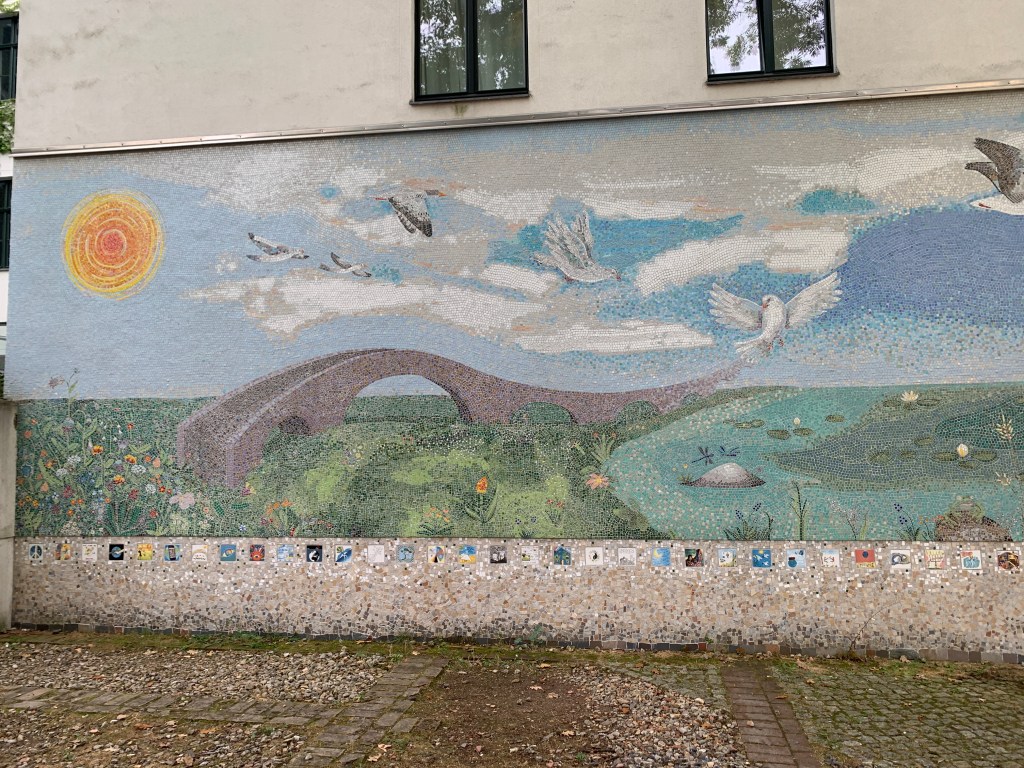
Lovely tile mural a collective effort by the youngsters, a testament to peace
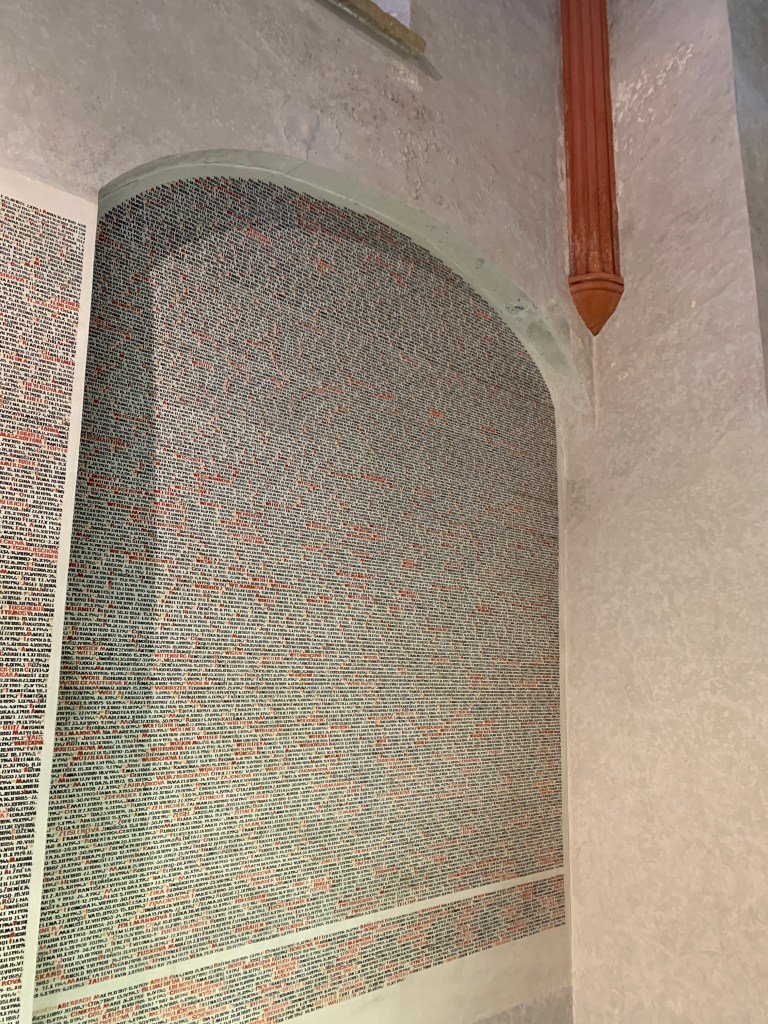
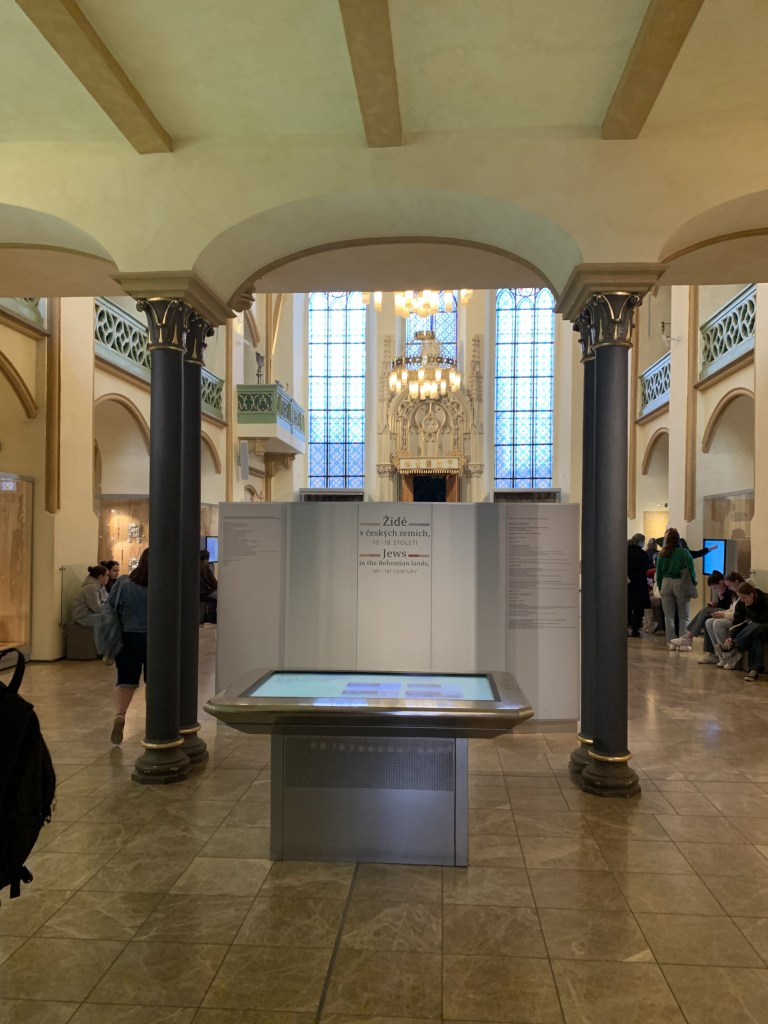
Inside the walls of the Synagoge you will see thousands of the names of those lost in the Holocaust
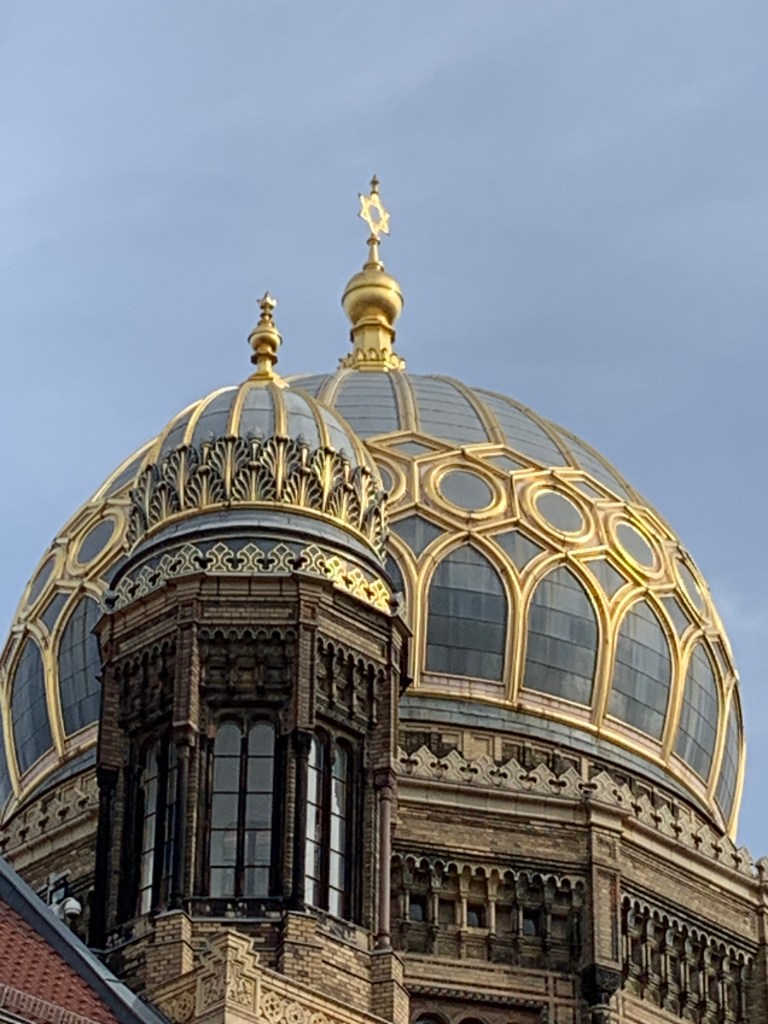
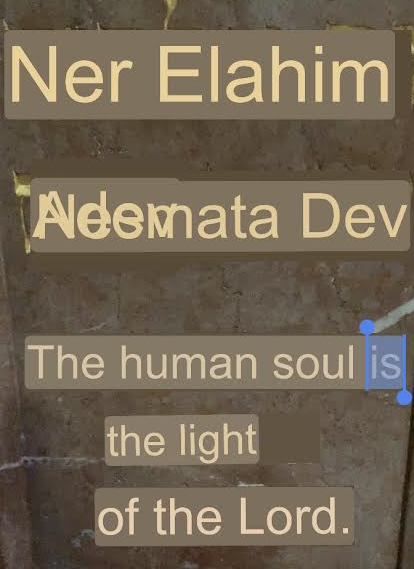
Due to the size of the Jewish quarter the Jewish Cemetary
graves were stacked upone one another, thus the cluster of tombstones


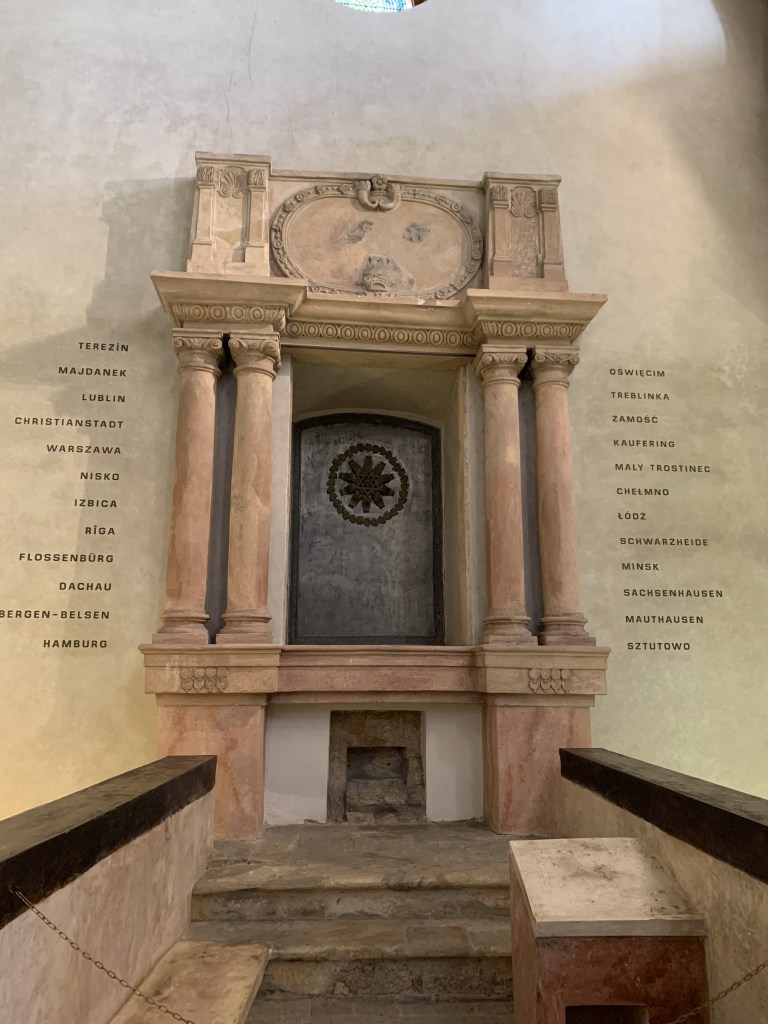
Memorial for Jews lost in the Holocaust with the death camp names on either side
Through out the city you will find gold markers embedded in the street memoralizing those killed by the Nazis.
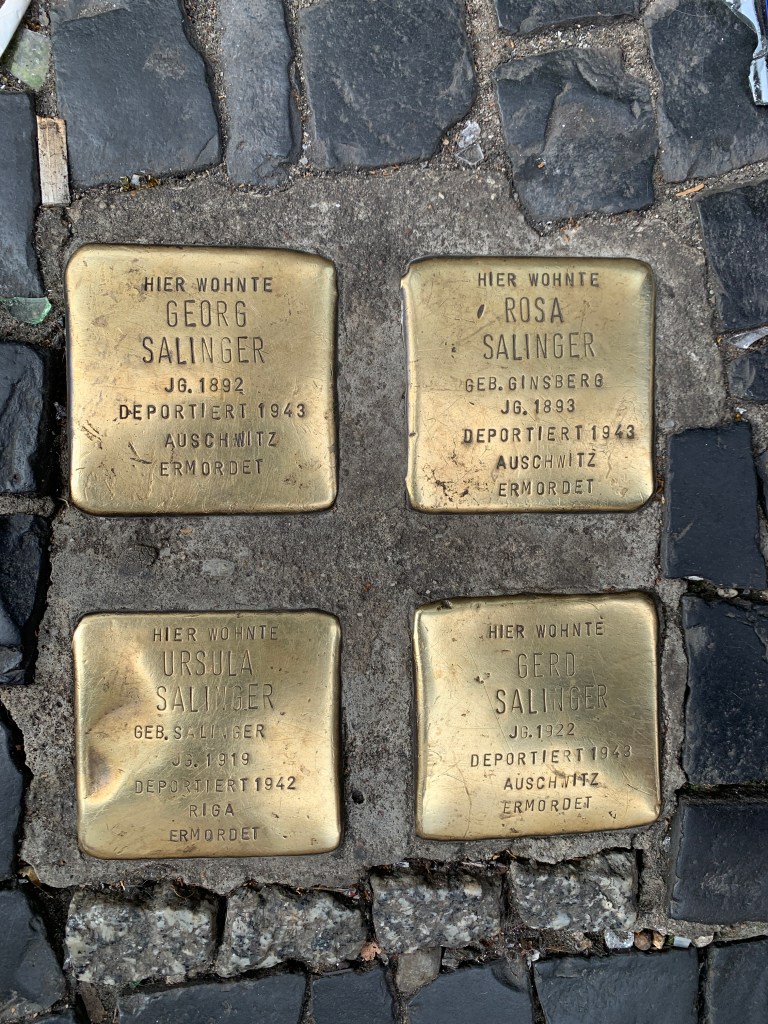
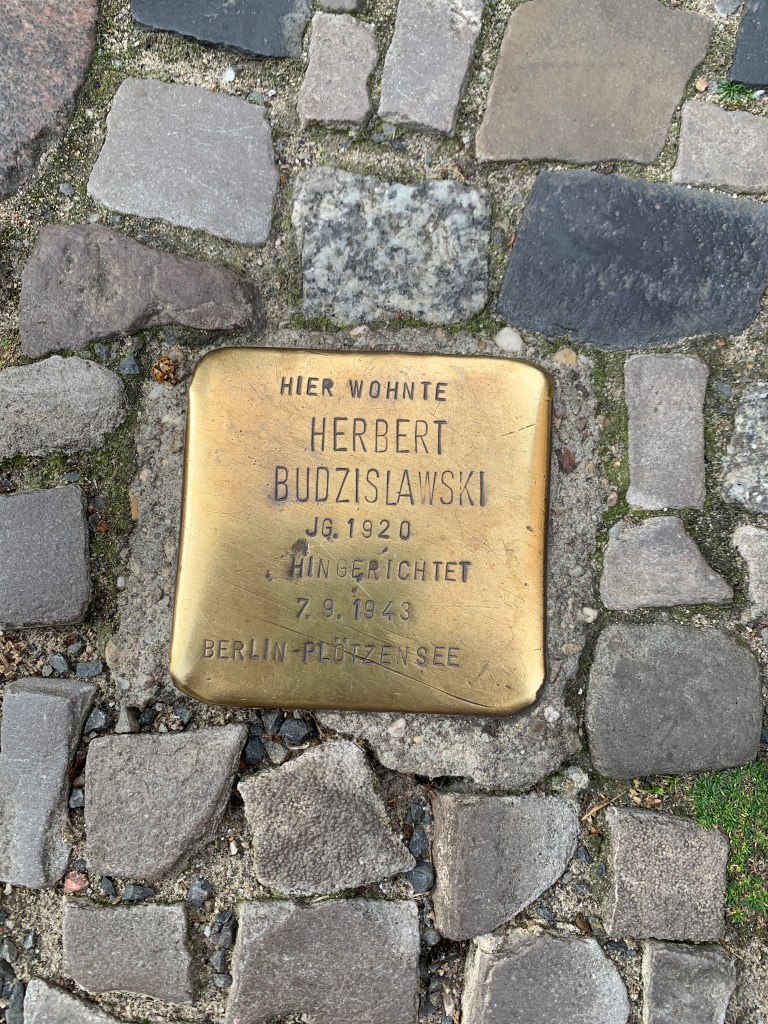
Original Art work of the young children in the prison camps
A lighter moment, as our group wend its way through the narrow alley
Portrait by same artist who did the famous Obama painting

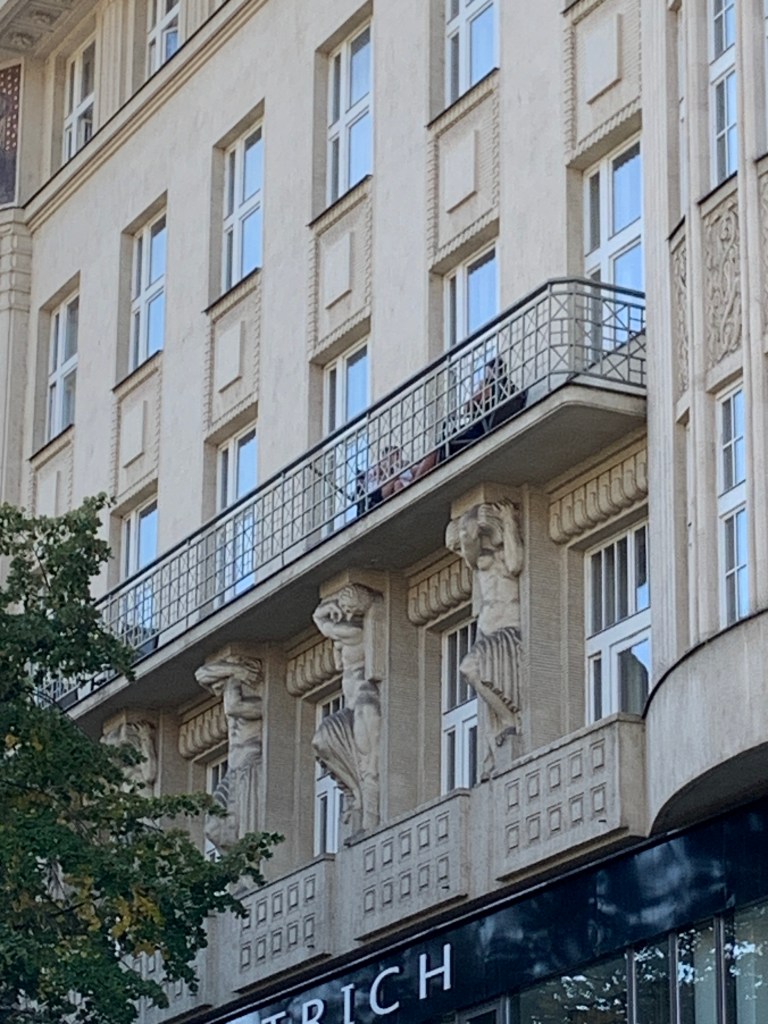
Our visit to The Czech republic which was invaded by the Russians in 1948 and for the next 40 years they were under Soviet occupation but with Gorbachev’s Glasnost, the renunification of Germany, the fall of the wall, and the velvet revolution in the Czech republic , democratic governing re-emerged. For the Czech Velvet Revolution, Vaclav Havel led the rejection of totalitarianism. The balcony where he made his speech to free the people. In the distance is the large square where the people gathered.

Our Guide Jana, also a Czech was with us the entire trip and she was an awesome person with great energy and knowledge. In the countries we visited, Germany, The Czech Repubic, and Austria we had local guides as well for the trip.
My personal very vivacious guide

To be Continued 🙂

 Davitte Blog