engineering




engineering
Our first cruise and lots of fun.
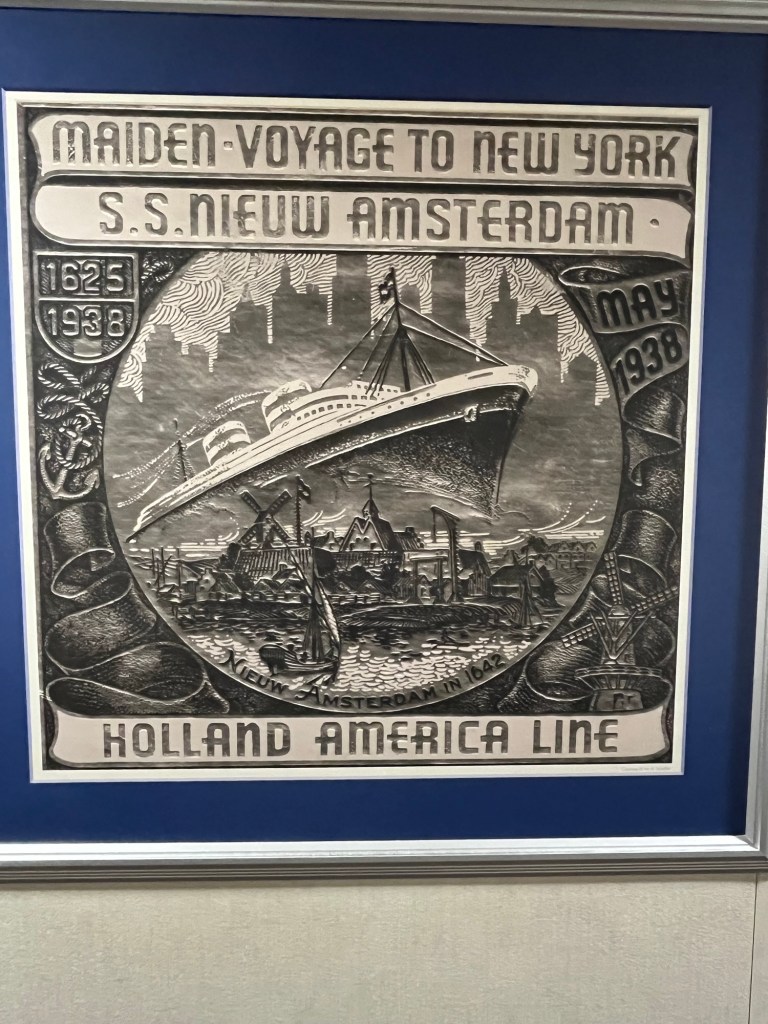
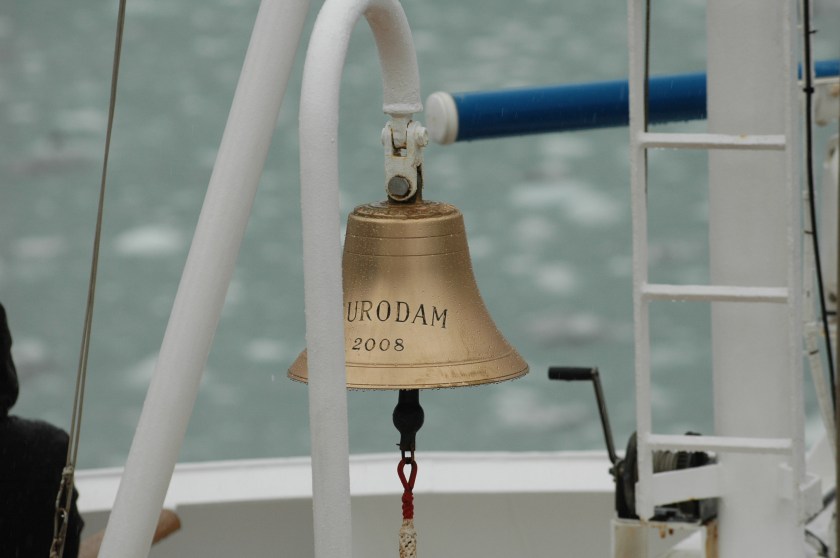
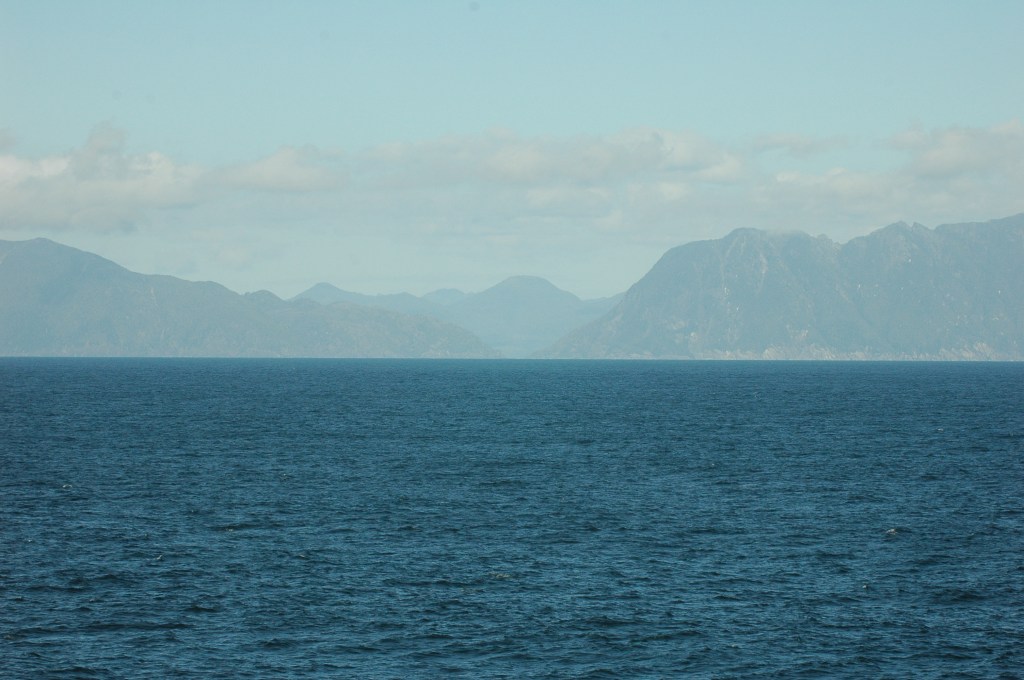
Cruising the Alaskan inside passage, we spent the most of our cruise in this body of water, which is somewhat calmer than open Ocean, although we did have some open water navigation, and some of that was impressive, as it was rough
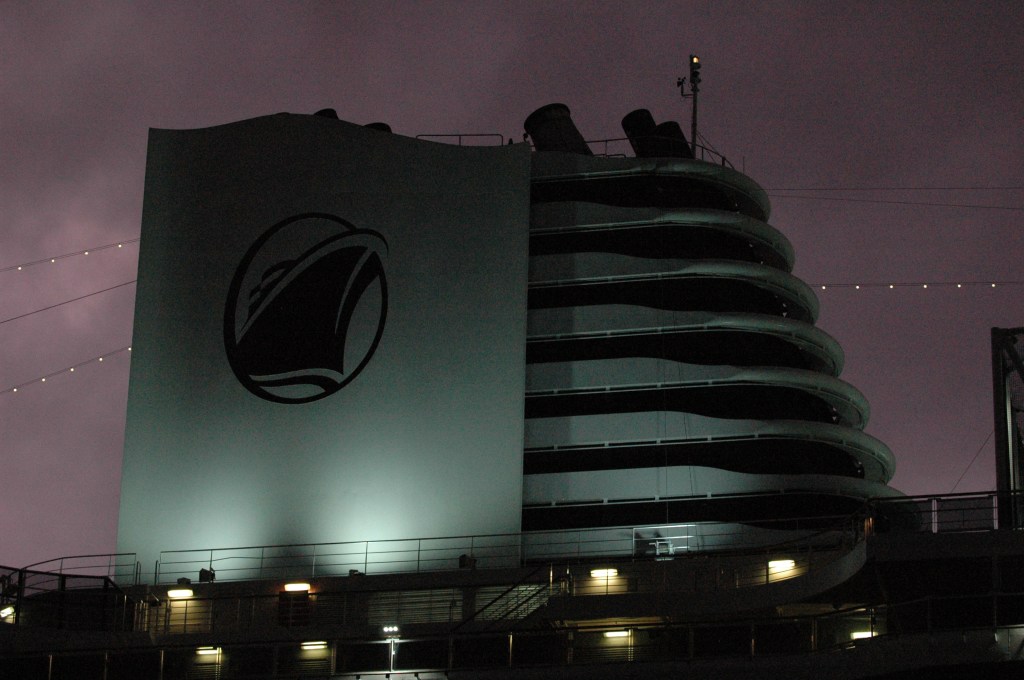
Tried acupuncture an interesting experience. I was hooked up all over my body, and then voltage applied like Frankenstein I was renewed to life but it was not monstrous


Hurry home dammit
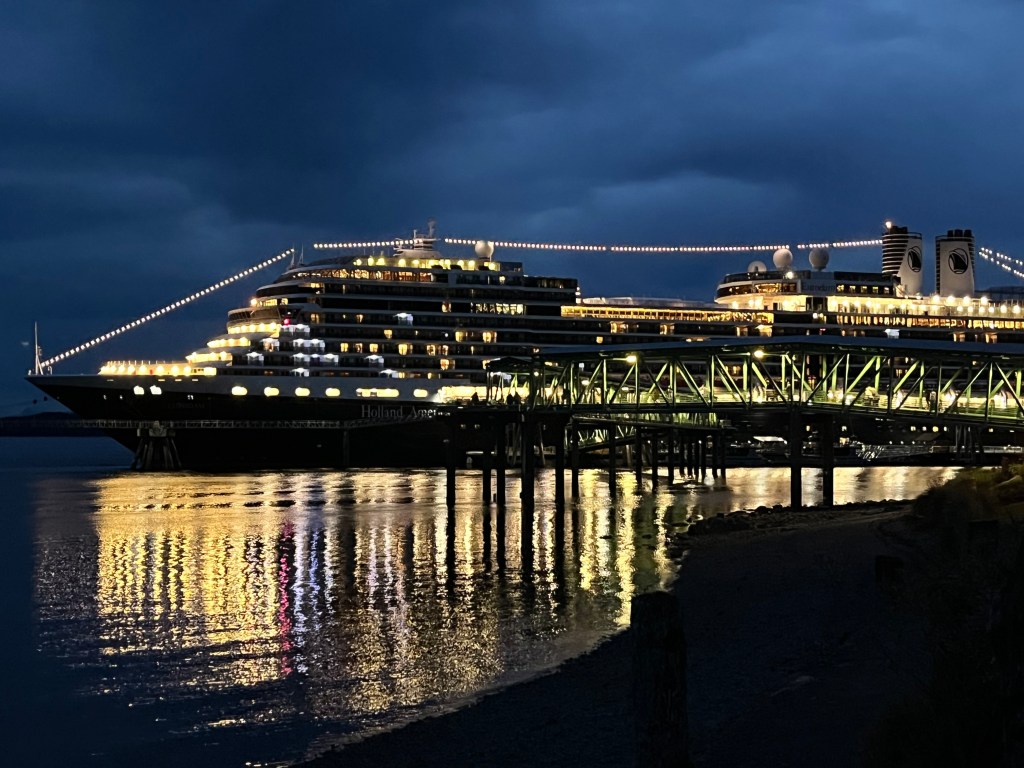
Back to the beginning tug optional now that the ships have 360 degree electronically driven motor/propeller These ships are massive. The one pictured here has a greater capacity than the Eurodam but we are not complaining. We had no issues bumping into each other, and a very mature crowd. I will leave that up to up to your imagination, as to what that looks like:) We were among the youth contingent, if I may modestly say so myself.
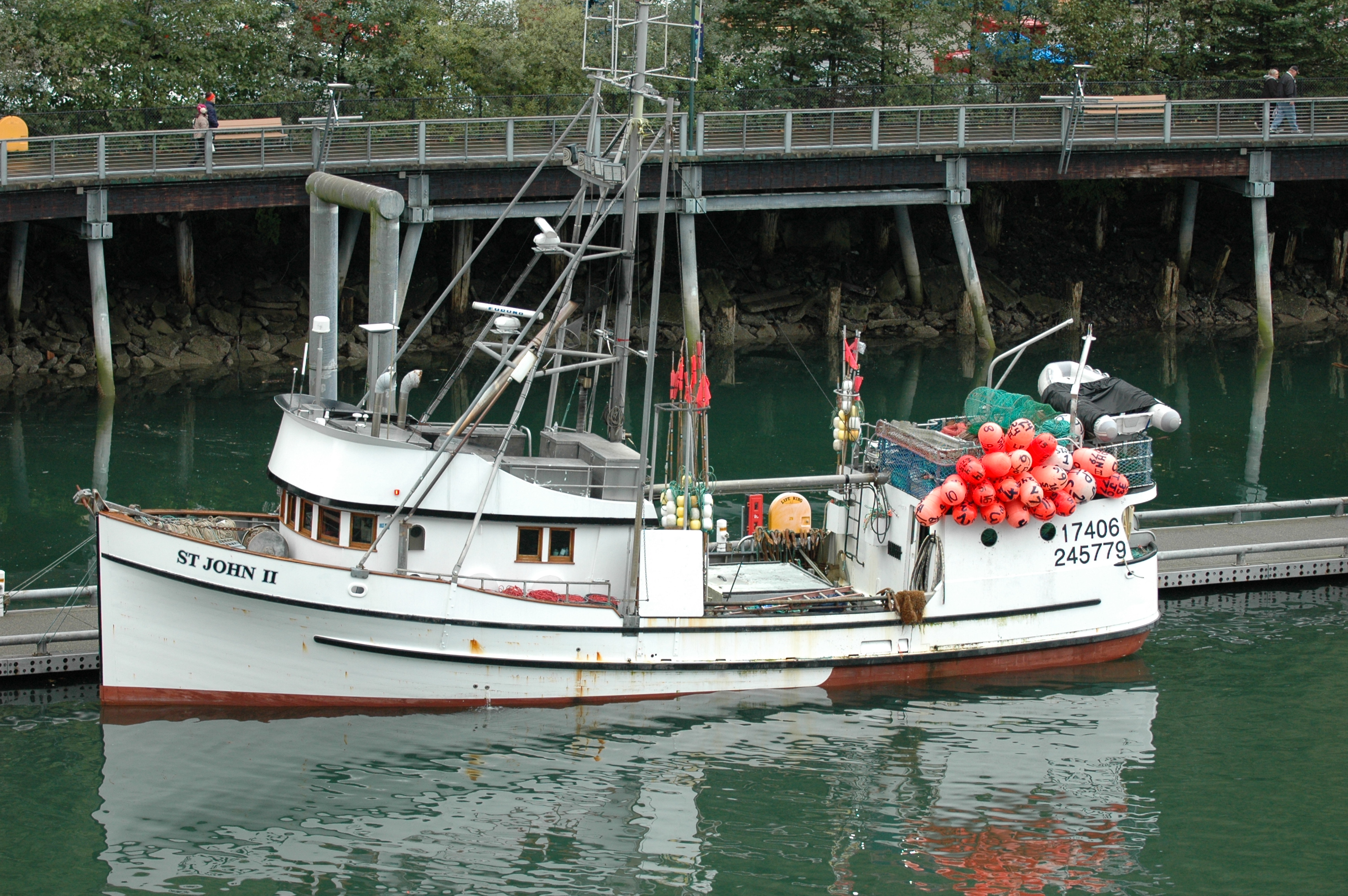
The Eurodam was able to to take us right to the end of the fjord and made a complete 180 with those gyro motors so we could get a great look no matter where we were on the ship. The mountainous terrain on our way in shows the reason why Alaska in this environs is truly wilderness. On the bow of the Eurodam. It was very cold but worth the chill.

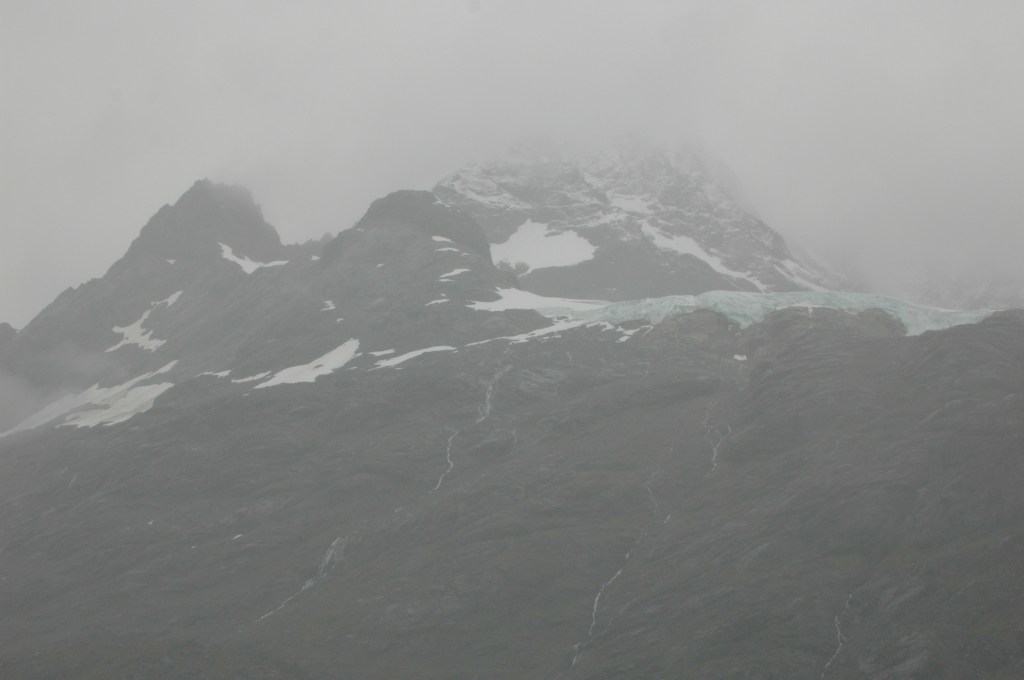
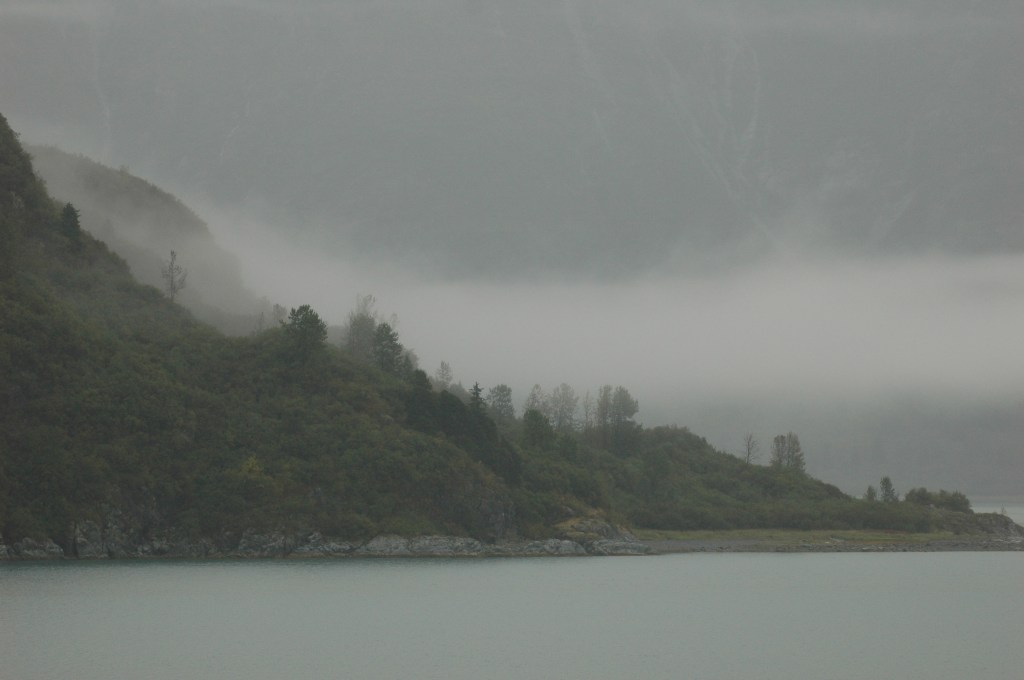
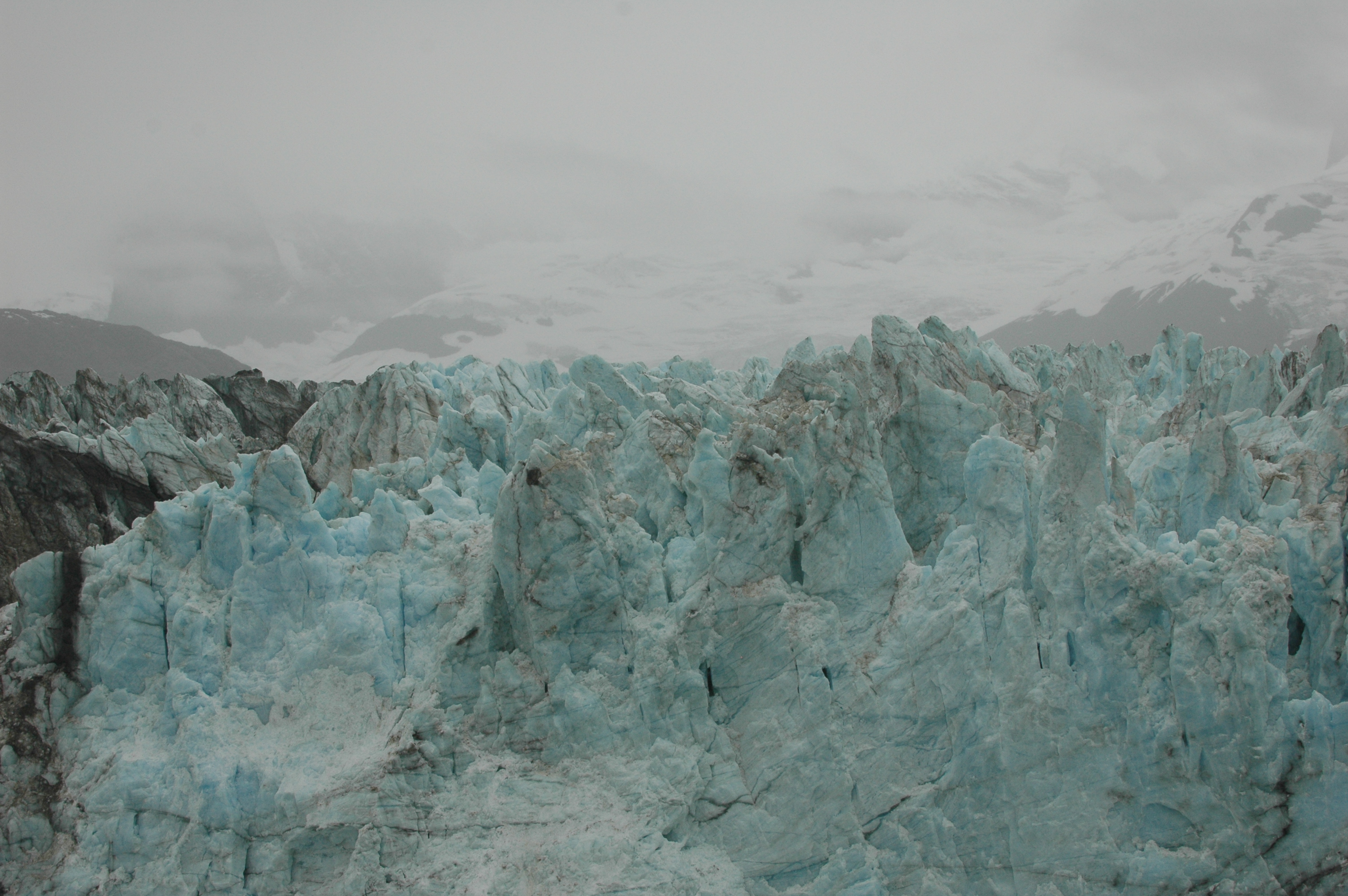


One of the flylights was a 30 minute trip to a resort where we had a great lunch of Salmon, Halibut and crab cakes.
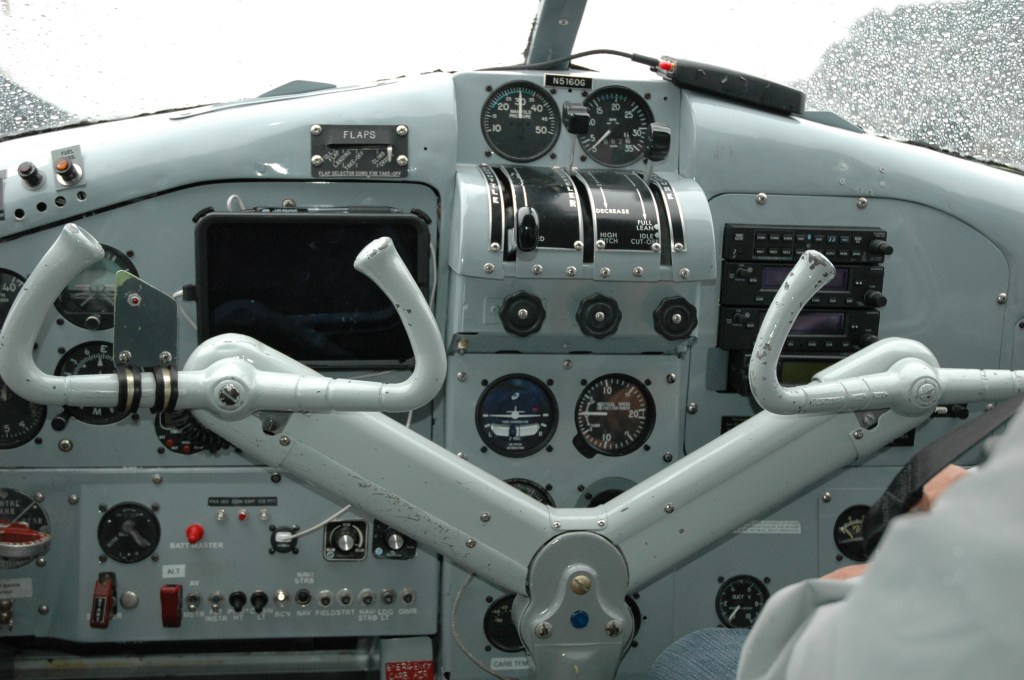
Away we go

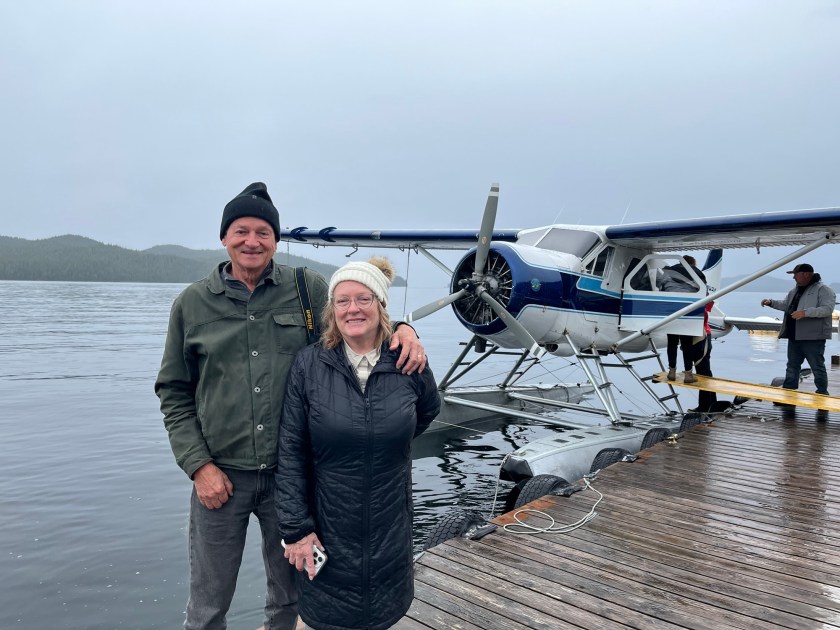
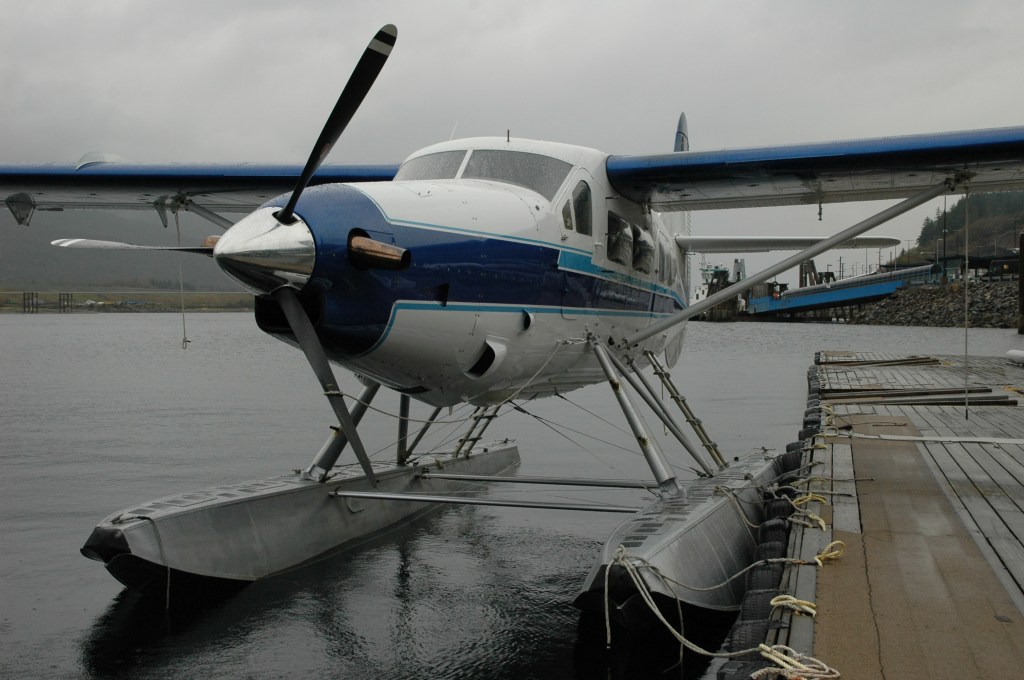
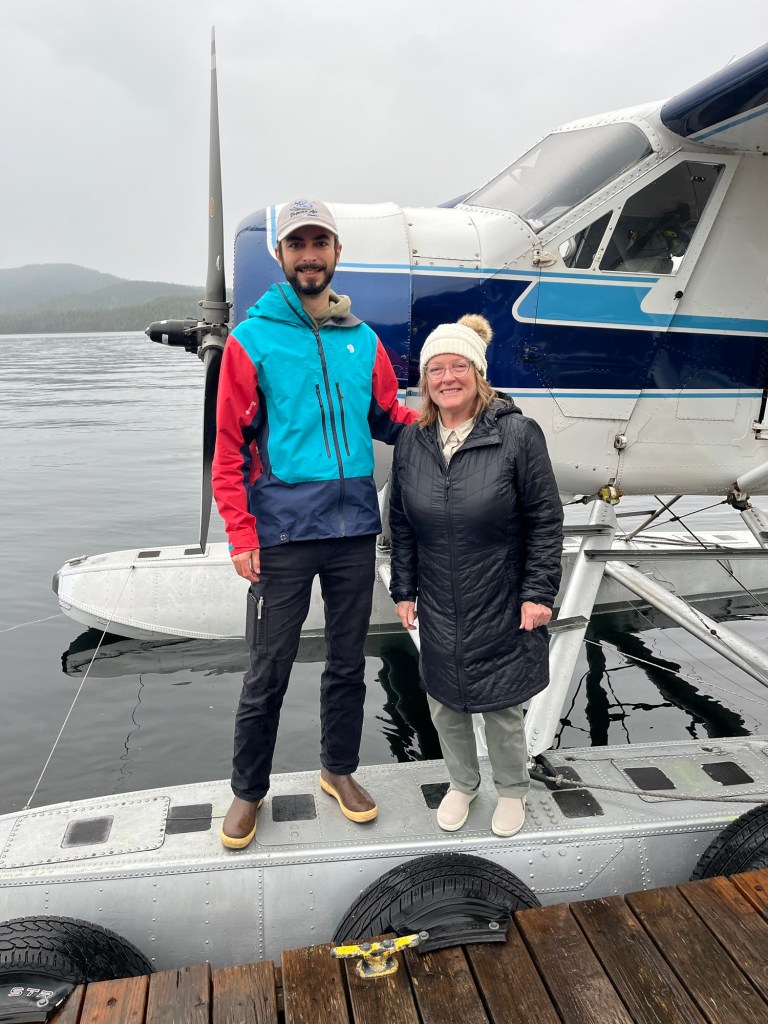
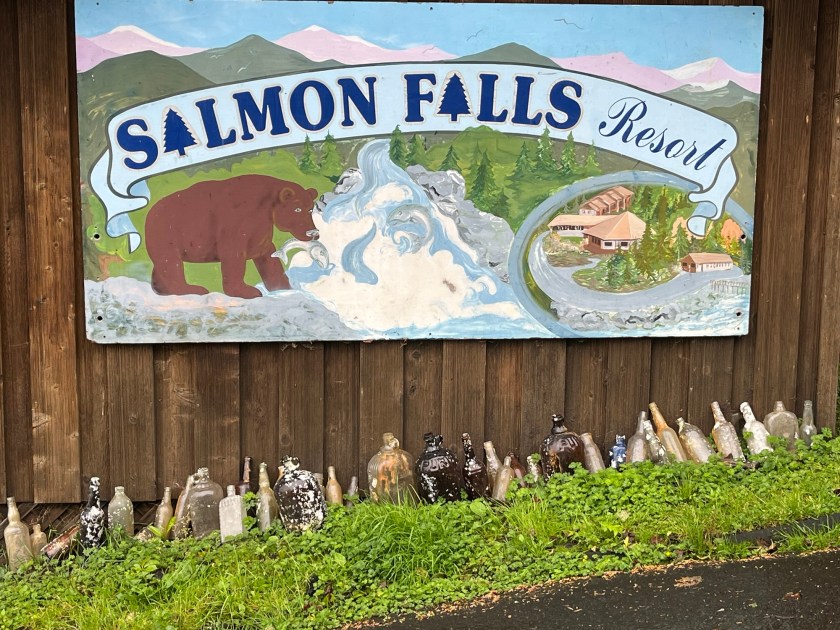
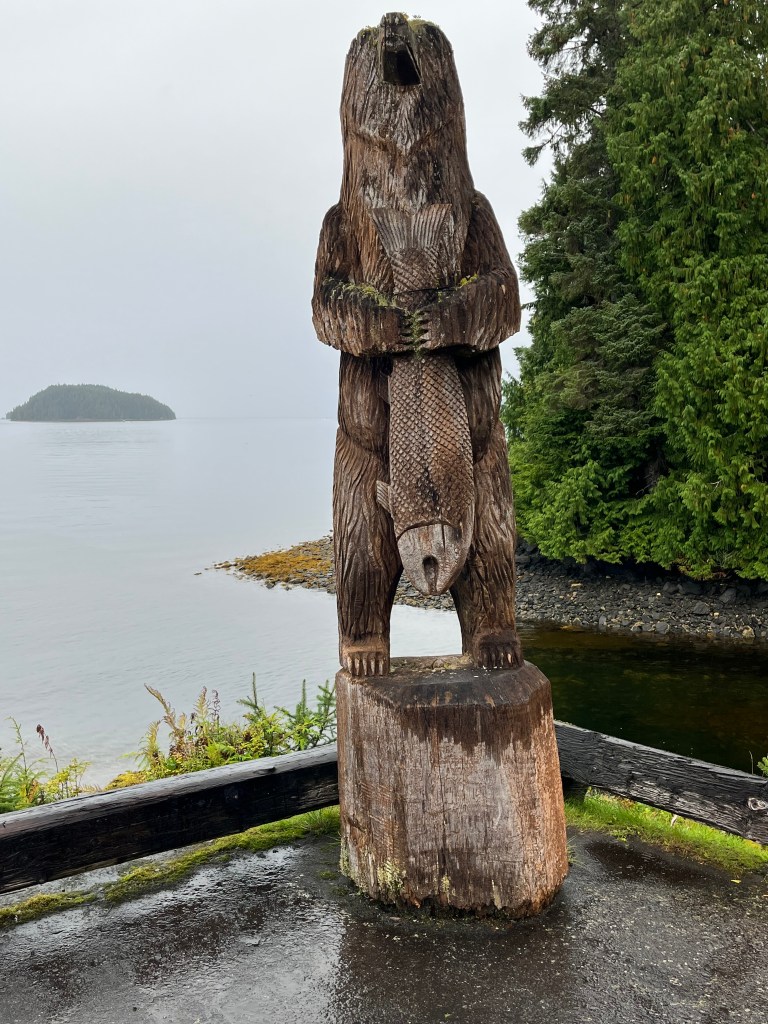
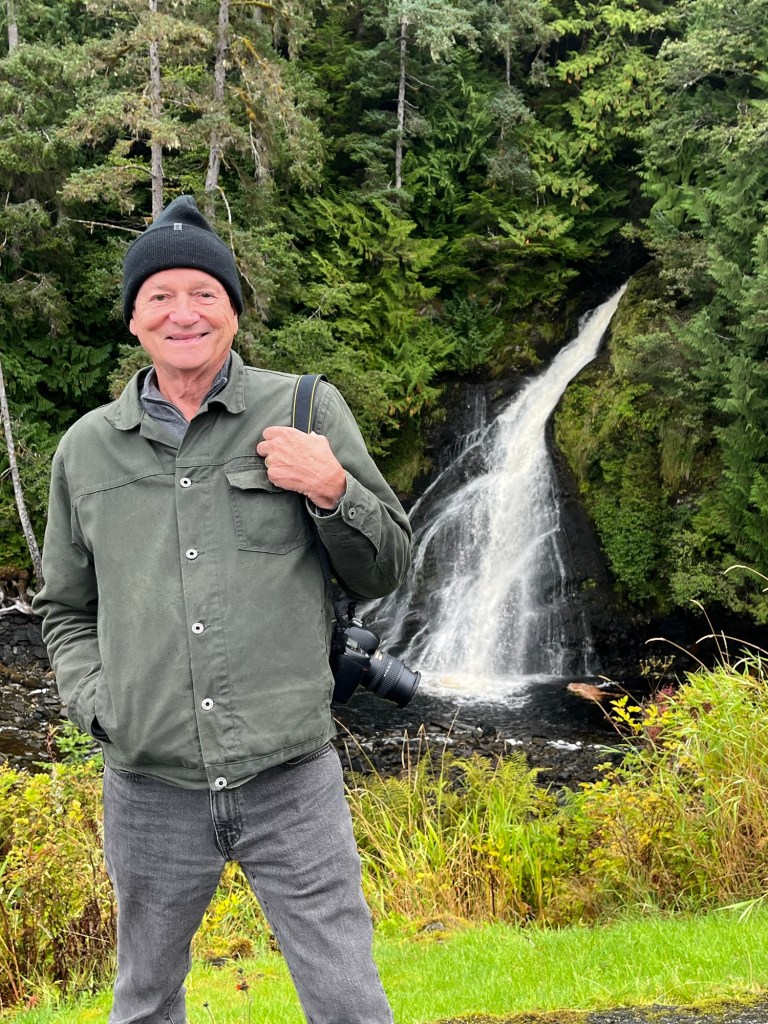
Very fun flight. Our pilot was a nice young guy. He gets a lot of flight time, as all the remote locations can only by reached by air for transportation and supply. Of course, guess who was a prevalent package sender? We had a very nice salmon bake at Salmon Falls lodge, with halibut and crab cakes too. The owner made his money early building barges for workers to live on during the Exxon Valdez oil spill disaster.

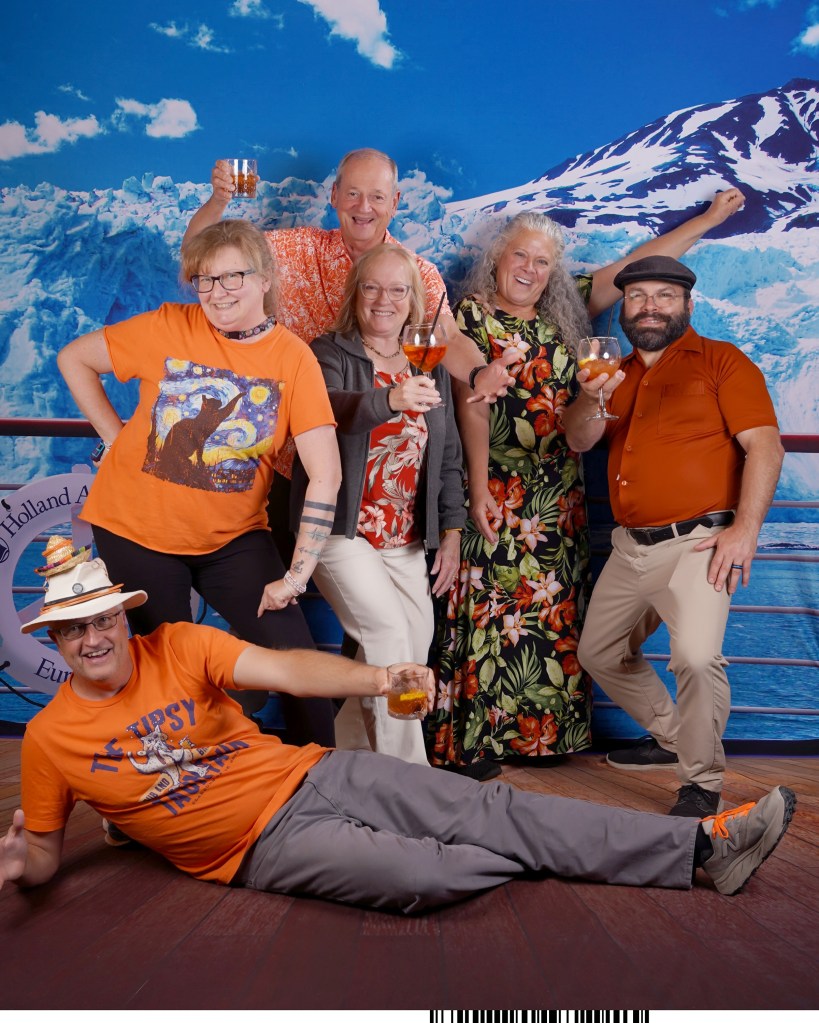


We had a few drinks, here and there, nothing too extreme and as we did have an all inclusive package of 15 drinks a day, we were quite well behaved. Disclaimer drinks also included other non intoxidants. We hung out a lot in the Ocean Room bar, where the talented mixologist were perfomimg and this very cool band, The DAM band performed and they were on it. They were for guys form Brazil and Argentina, who had just gotten together a few month ago but it sure did not show it! Russ’s Uncle Larry also in this picture, good guy.
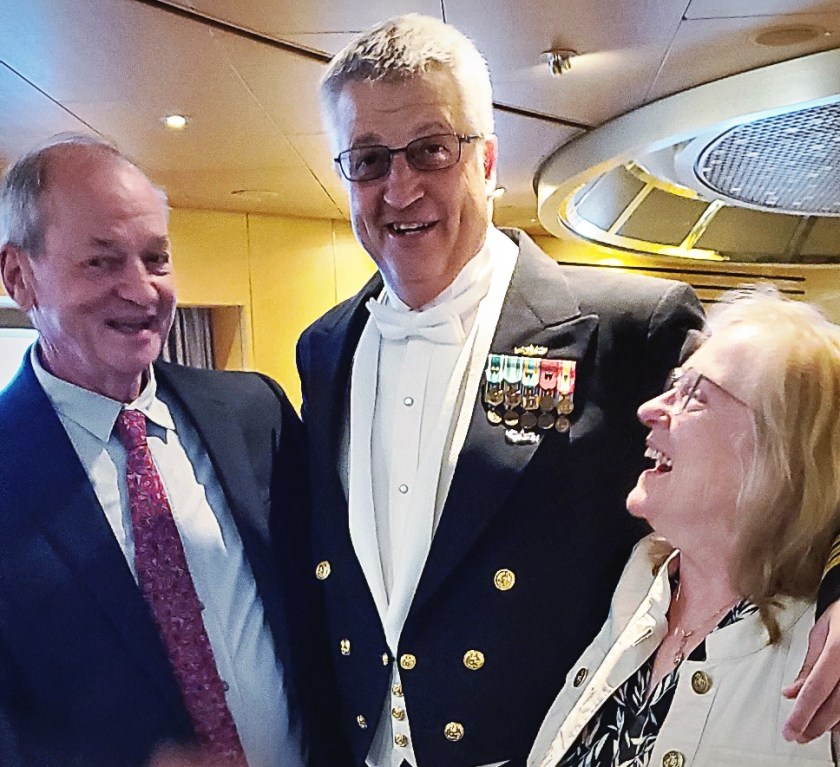
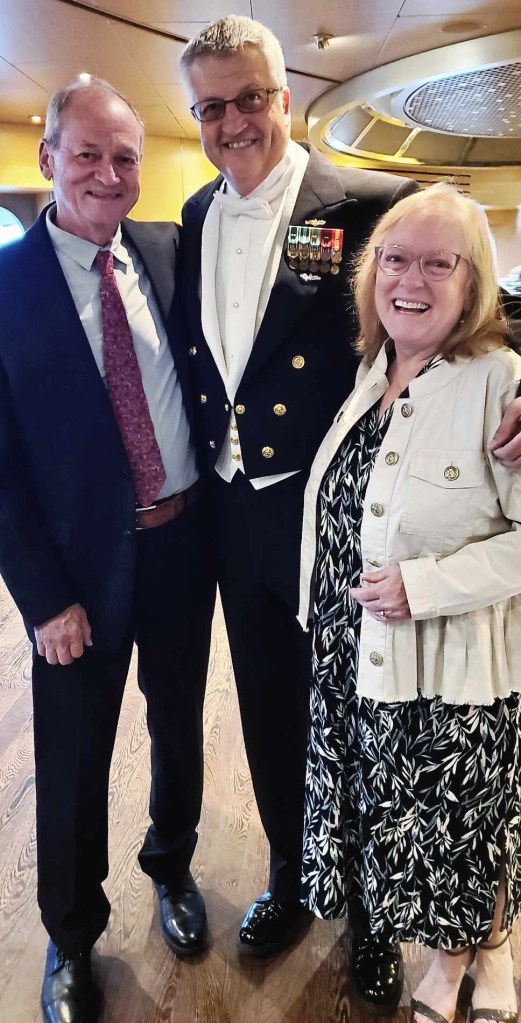
Russ in dress uniform. He is a commander in the Navy. There were 2 dress up nights on the Eurodam. We met at our work at The State of Oregon.
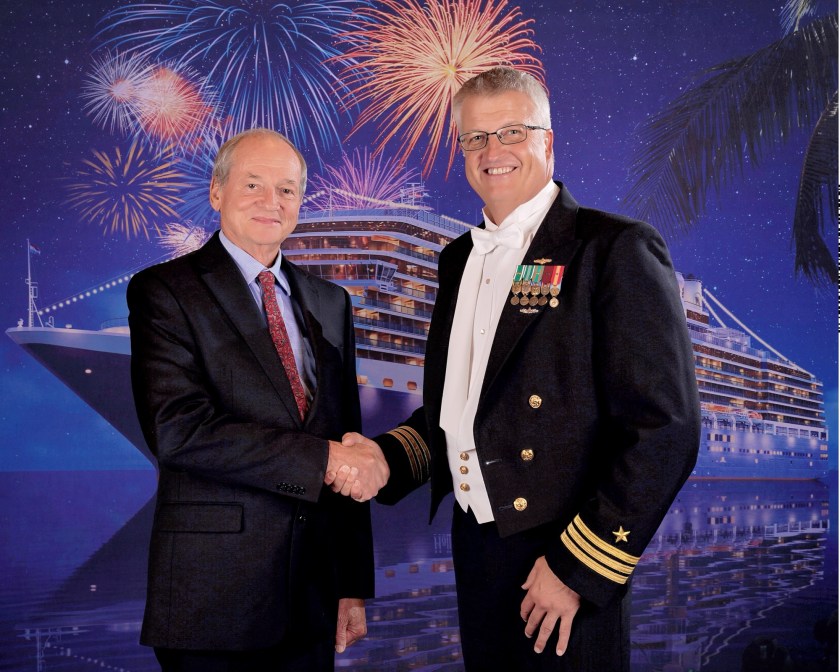
Us and Russ and Penny
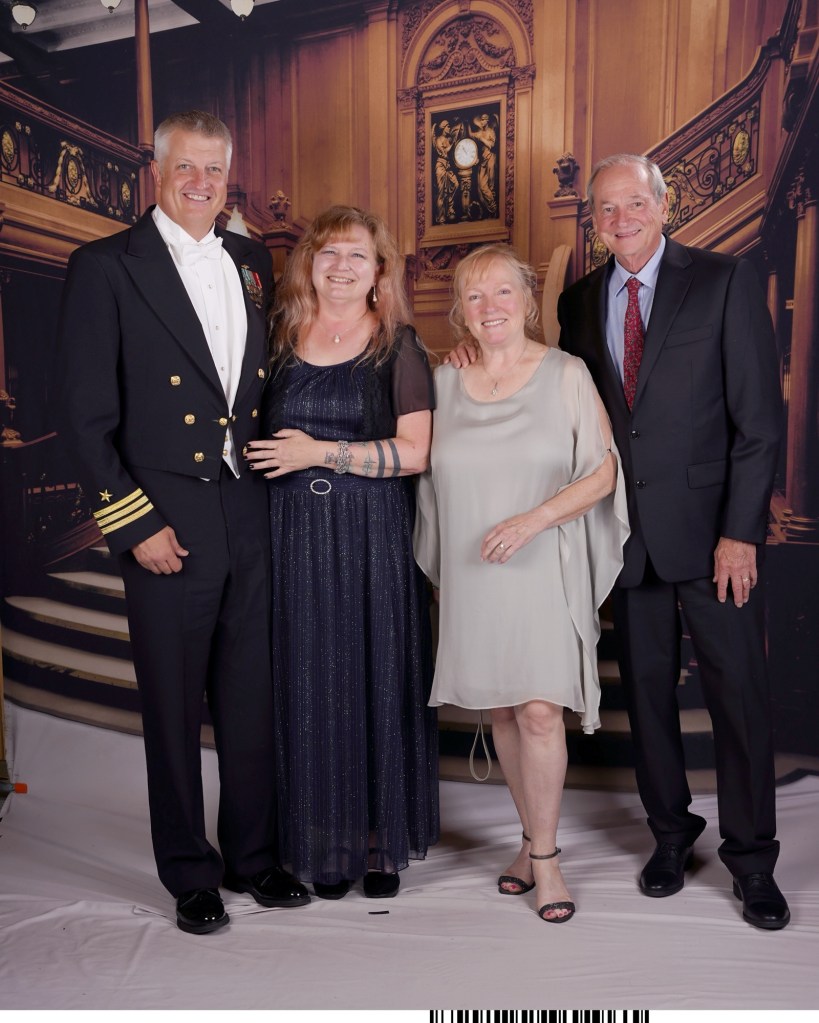

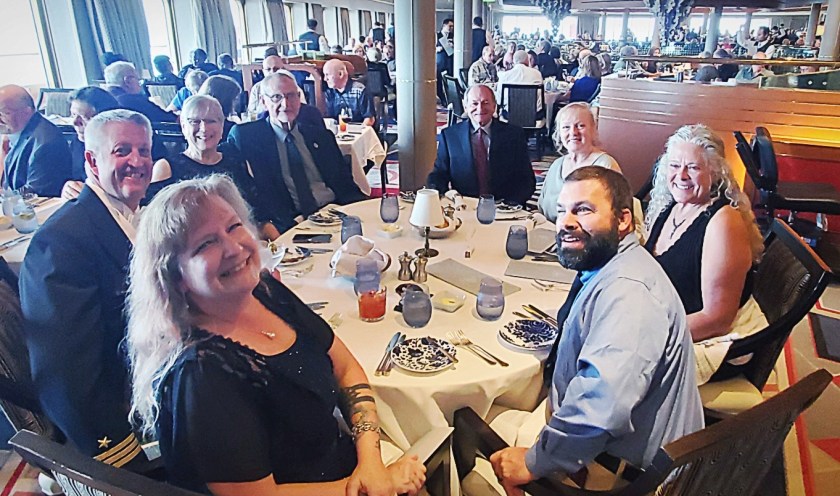
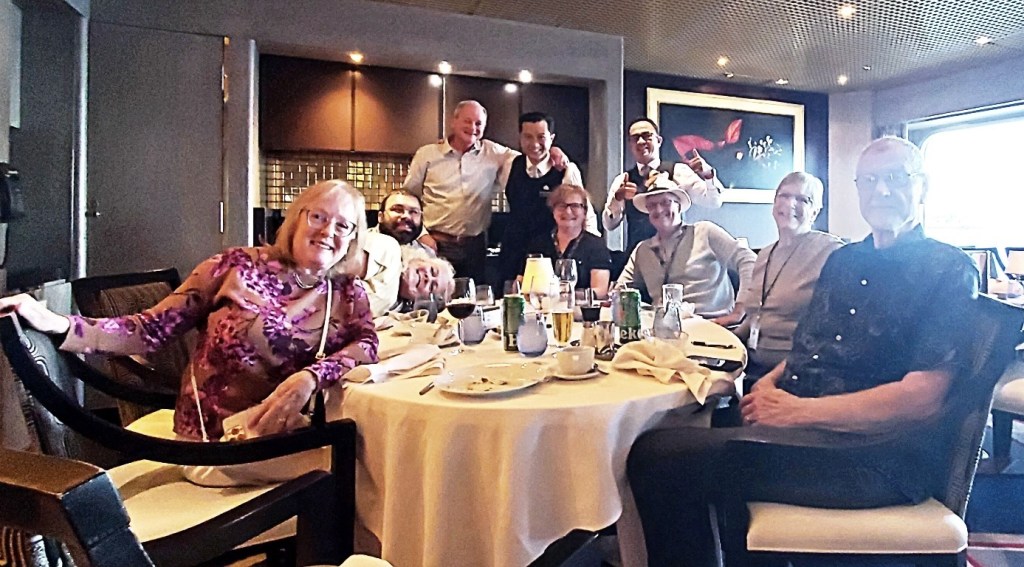
Follow the circuit left to the right on one of the dress up night: Vera, Chris, Michelle, Penny,Russ, Penny (Larry’s wife), Larry,me and the Mrs.
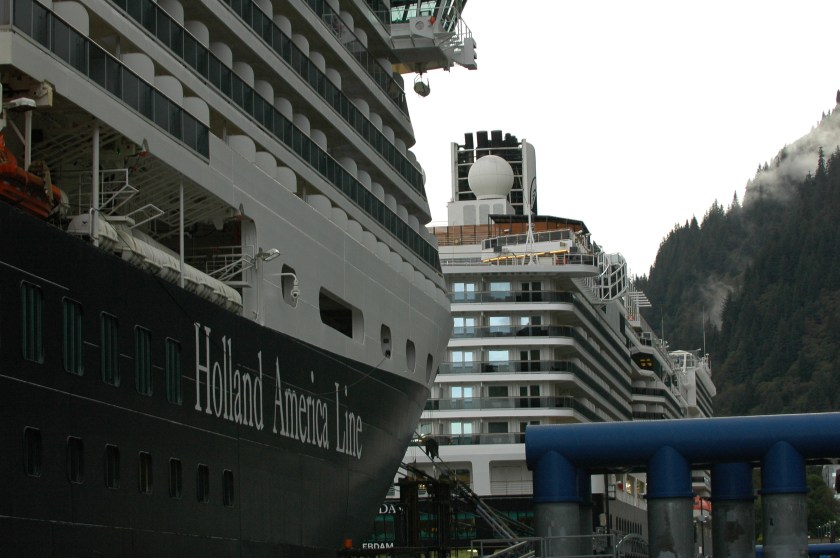
The Eurodam dock next to a Carnival Princess ship. I’ll take the Eurodam much more to scale 2130 passengers versus probably, unless you want a slide and a merry go round. I’m much to sophisticated for such frivolity.
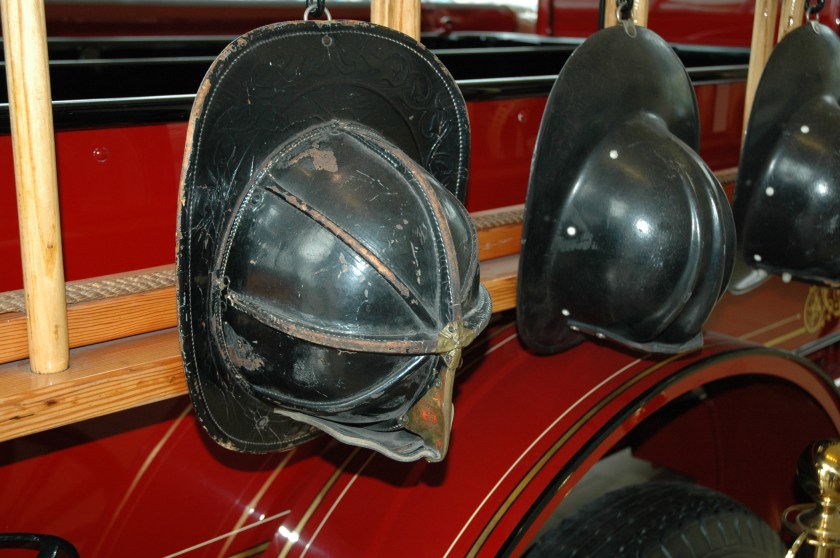
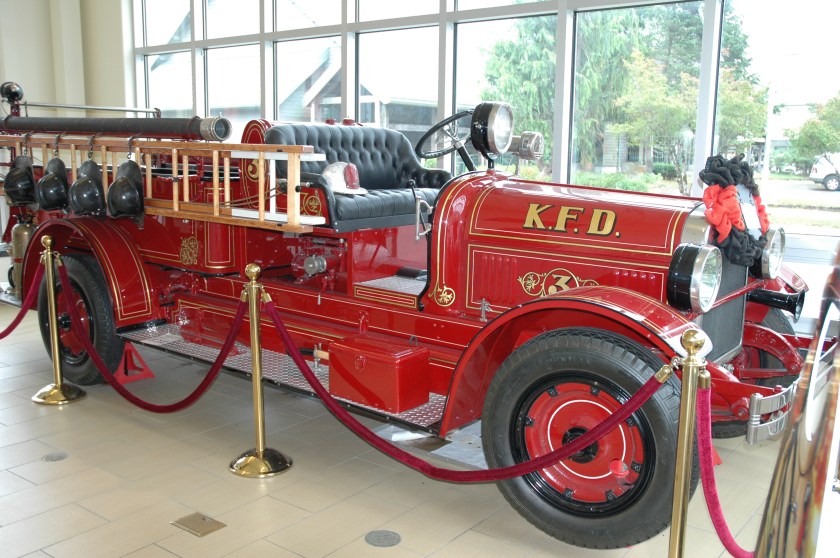
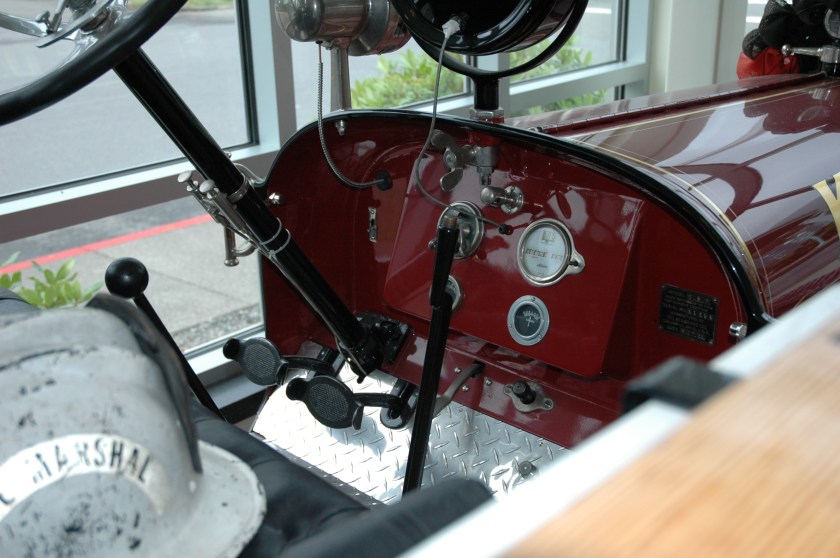
Museum for Ketchchikan Alaska volunteer fire department
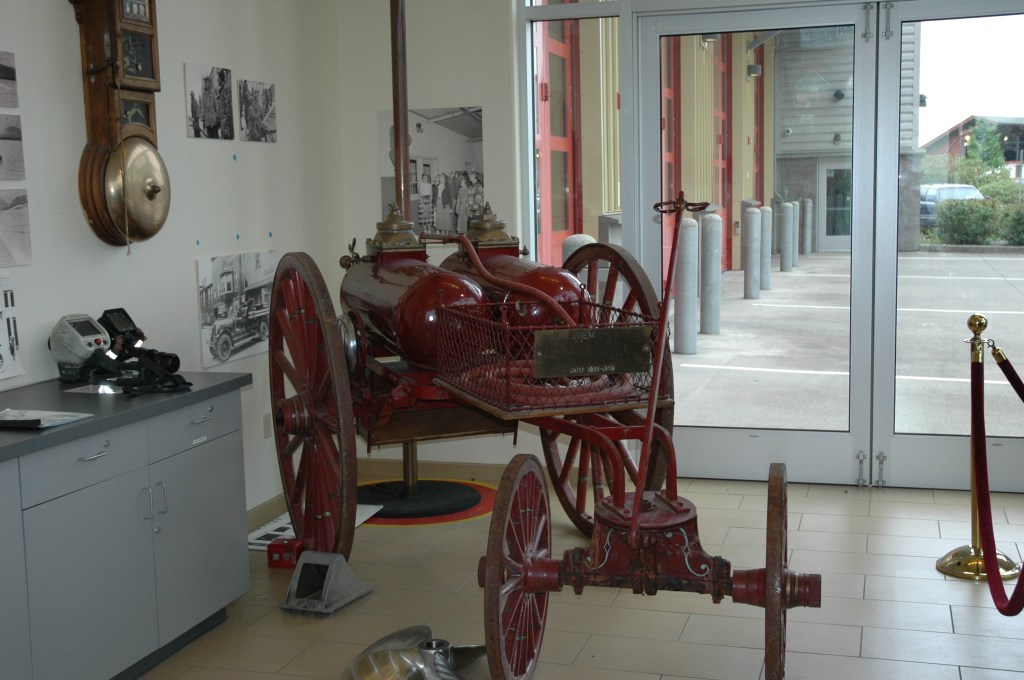
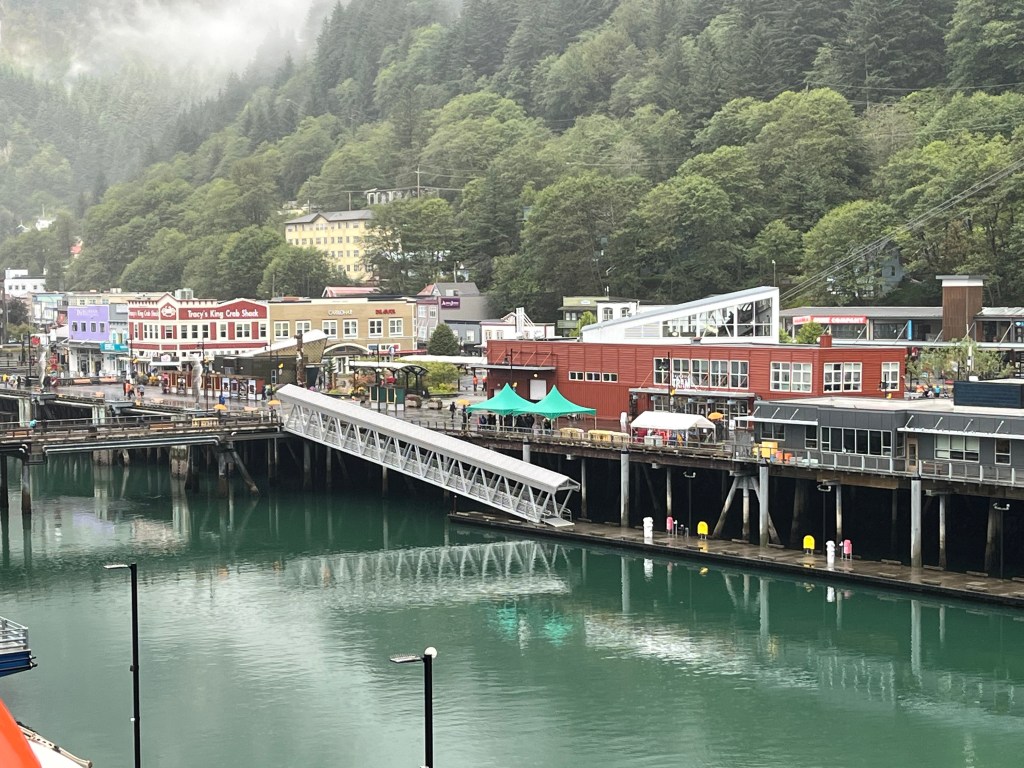
Ketchikan during gold rush days a respite for the minors working the hills. There were places where comfort could be found.
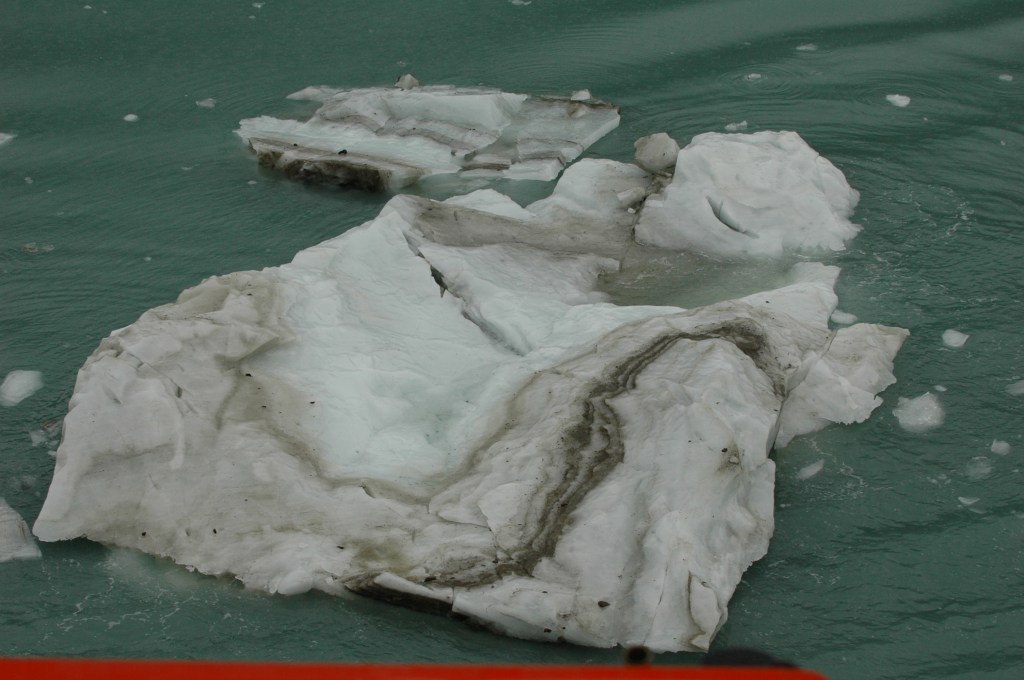
This is the time for Salmon to finish their cycle of life, as pictured here.

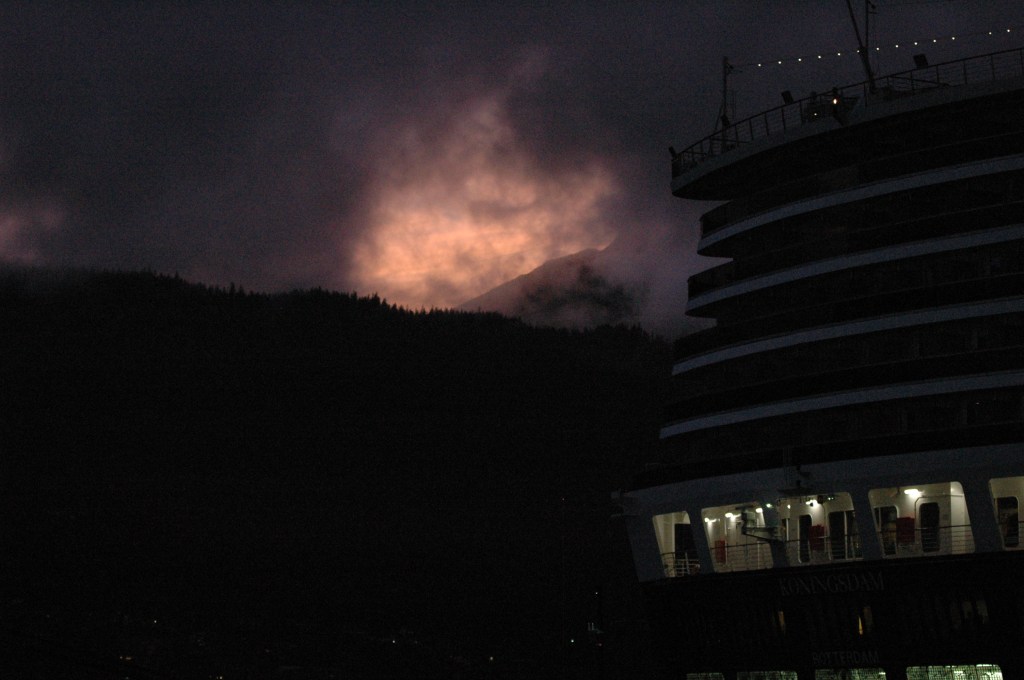
A peak of the sun not a frequent sight on this trip

It is not without a slight poke
Tried acupuncture an interesting experience. I was hooked up all over my body, and then voltage applied like Frankenstein I was renewed to life but it was not monstrous

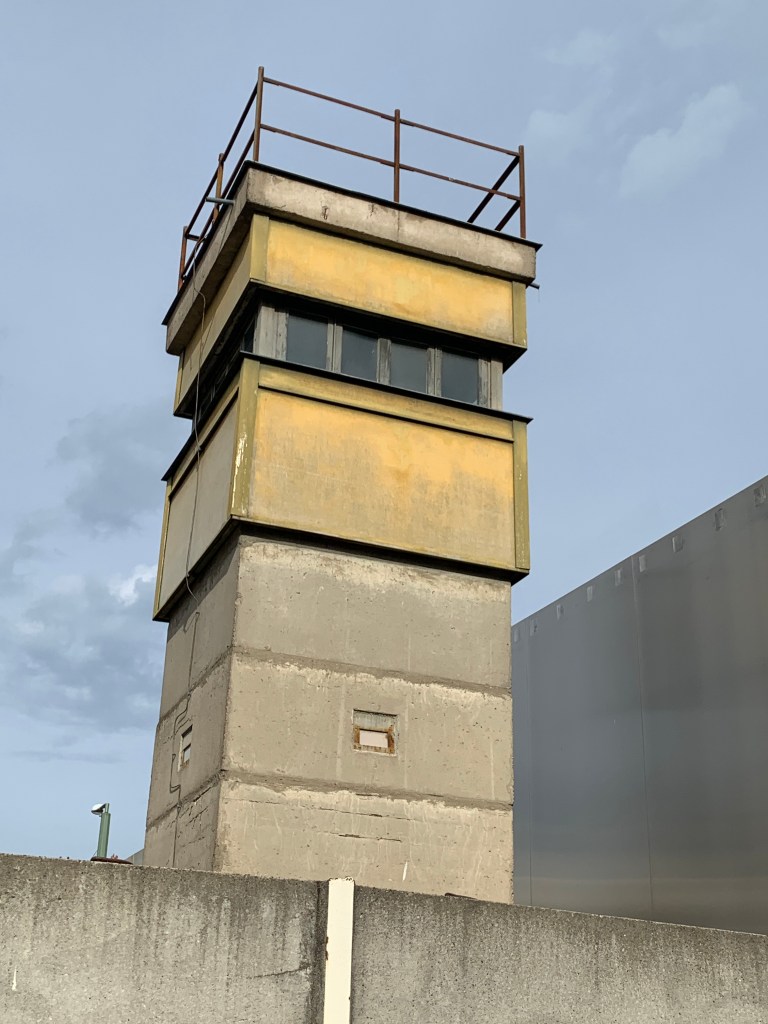
STASI state security police along with the Eastern Berlin Communist authorities used different methods to track those trying to run across the 100 yard no man’s land from the wall to freedom. Most often they were shot dead by guards in the towers along the wall. Guard towers manned by two soldiers but with alternating guards in a post there was no talking in case one was STASI.

The top of the wall was rounded to make it difficult to climb over and it is 25 feet tall

Church of reconciliation blown up by the communists.
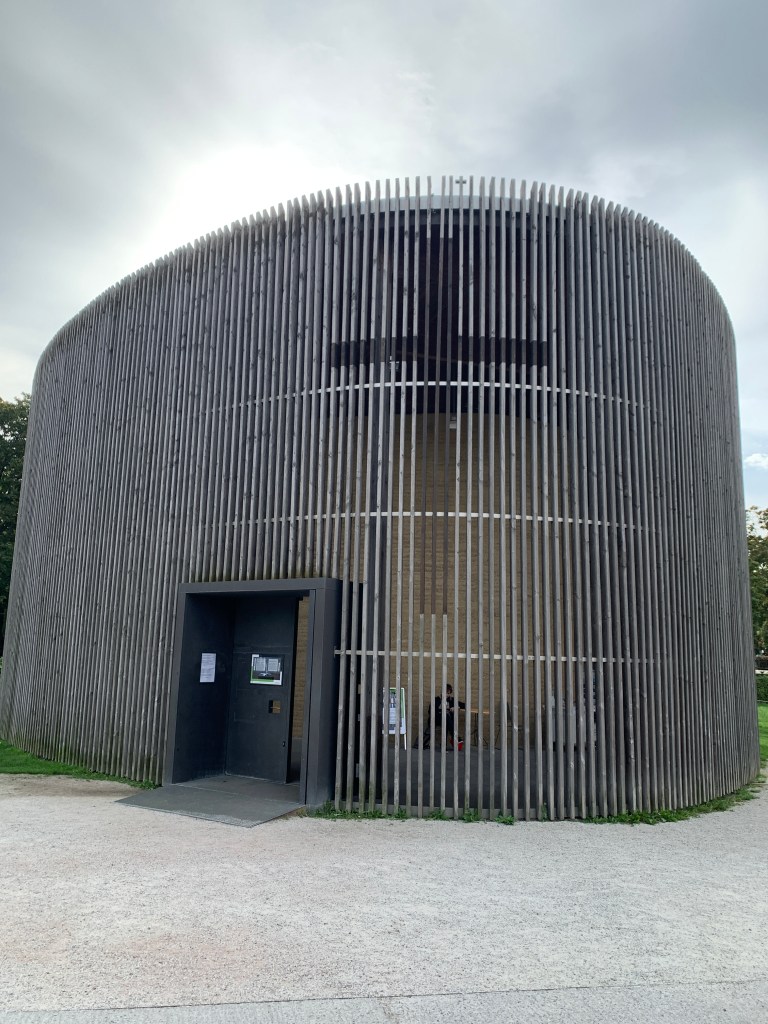
The Bells ring 140 times in memory of those who died escaping
A shadow of bad time post war
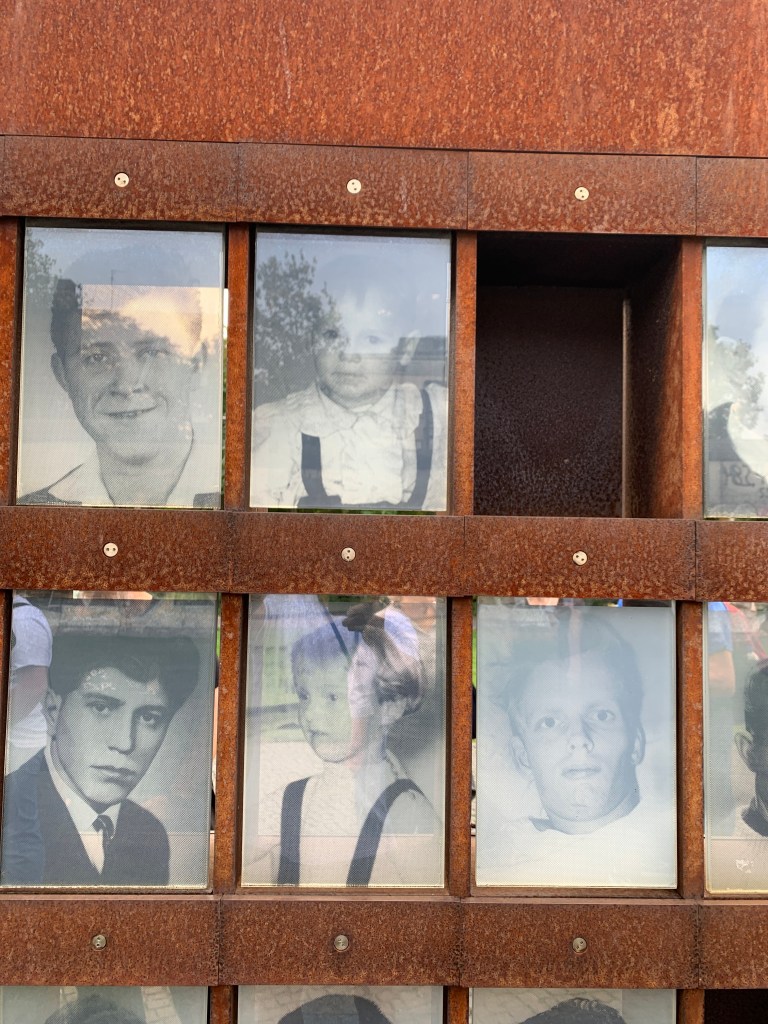
One of many memorials of those who were killed trying to escape. Not on the scale and horror of the Nazis but so close to the end of the war to be klling more innocent people, including children, as depicted here

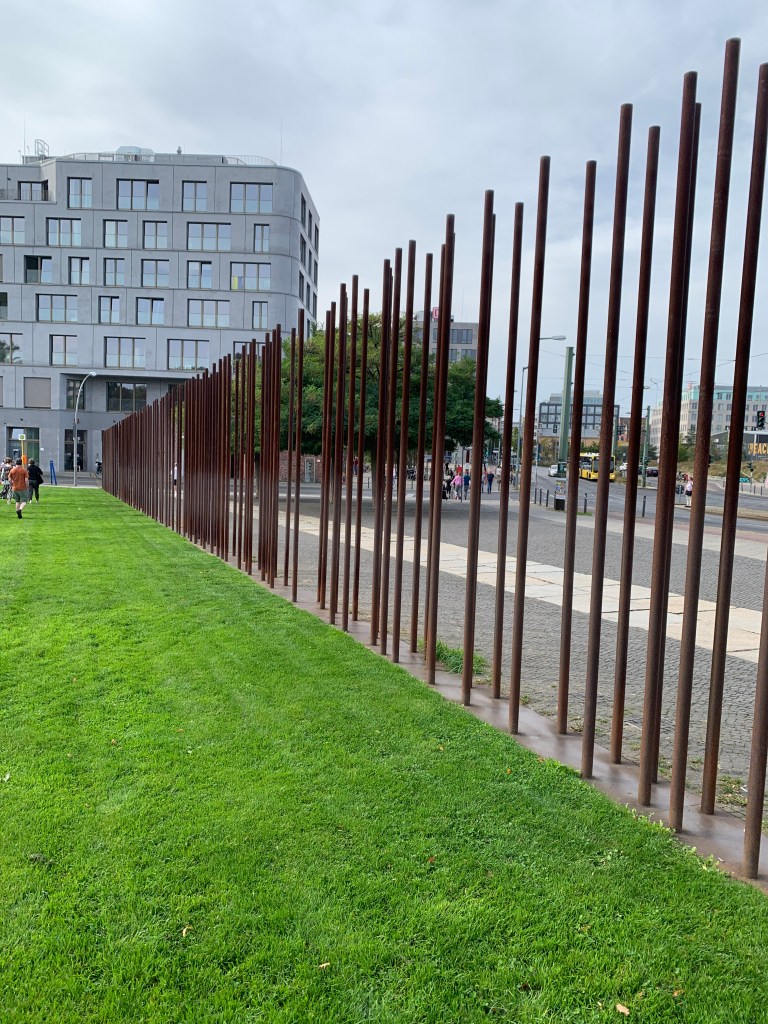
The remnants of the wall remain standing all over Berlin. The no mans land now a grassy field for all to enjoy, and hopefully reflect on what happened and know still could.

Metal posts replacing where the wall was
We left Berlin for Dresden on October 4th.
Dresden
Compared to the bustling city of Berlin, a nice change of pace. It was easy to get around and see the churches and palaces, many damaged or destroyed in the bombing of Dresden, so much of what you see was painstakingly restored. As a reminder, practical as well, was the re-use of as much of the stone and you will notice the discoloration of the older stone, which is much darker than the newer stone. It is a visible reminder of the toll on the buildings but much more importantly the loss of over 25,000 lives due to the bombings. The Allies wanted to continue destroying German war industry but by 1945 it was all ready evident that they had lost the war. The cause was noble, beat back tyranny. As always, innocence suffers, like Ukrainians today.
Our local guide for our tour of Dresden
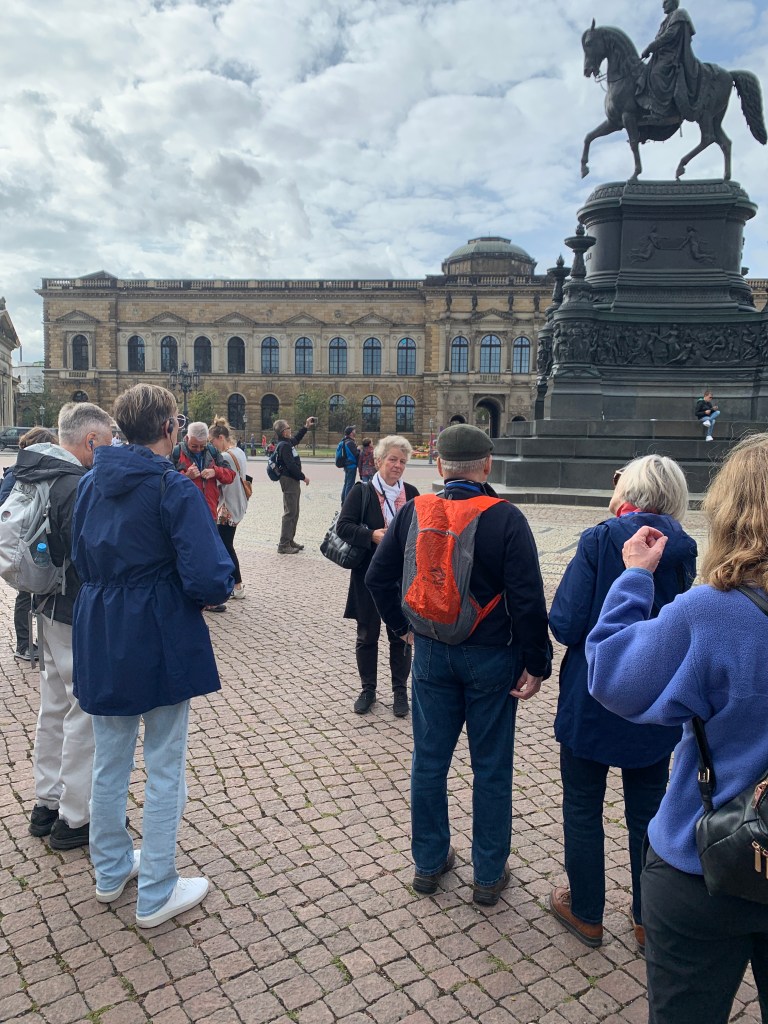
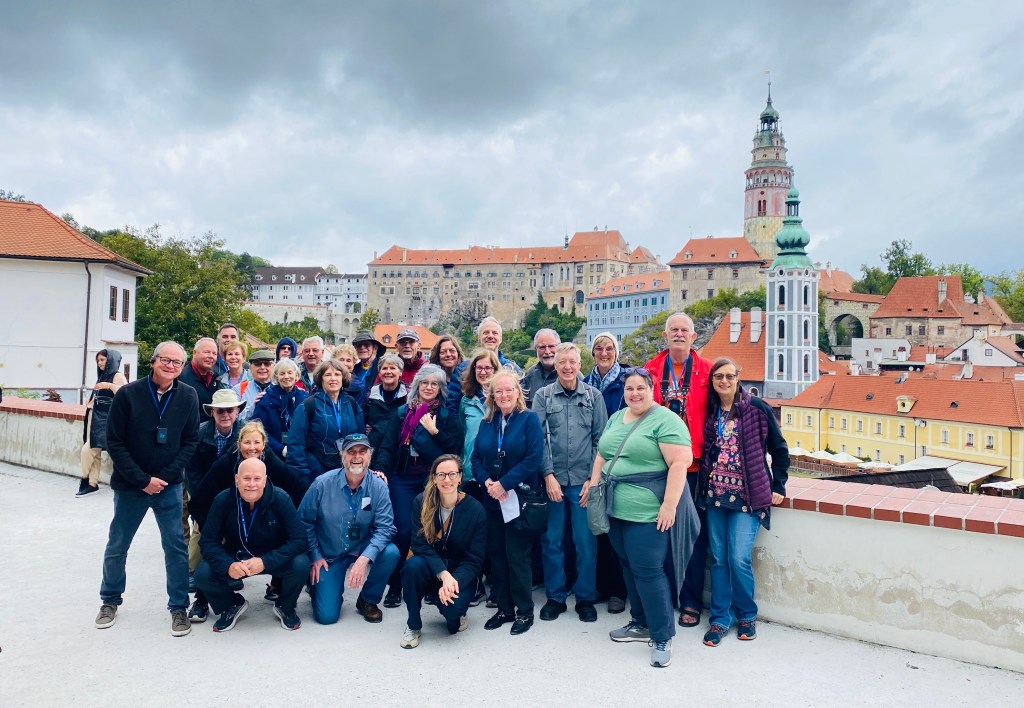
Our group

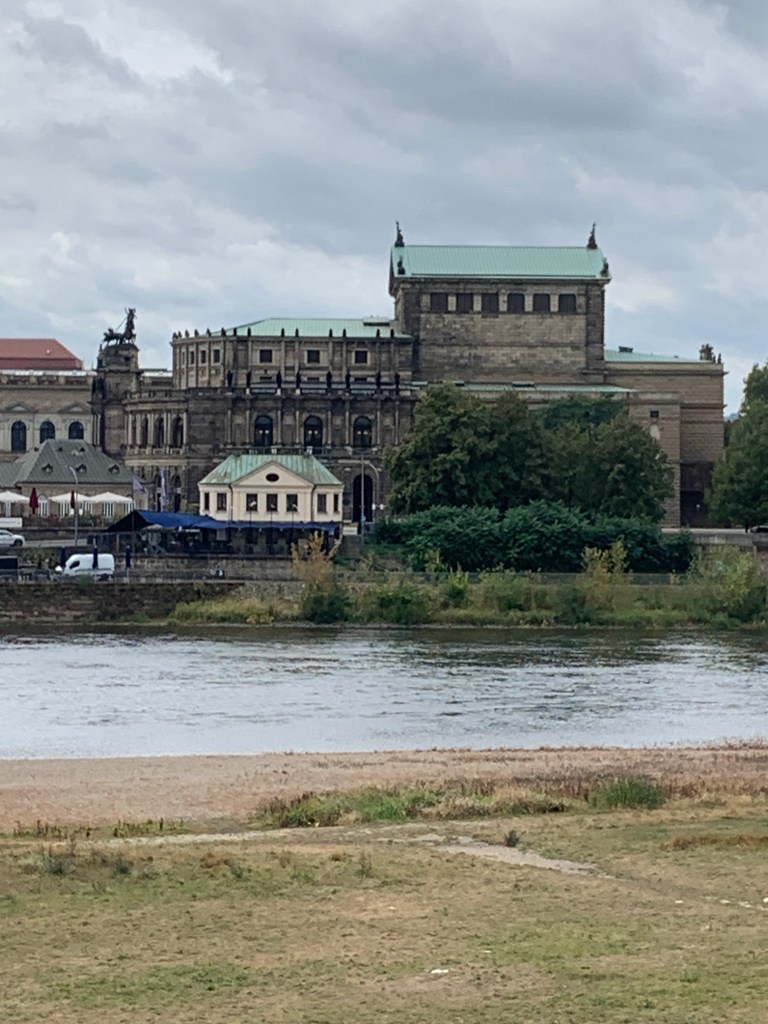
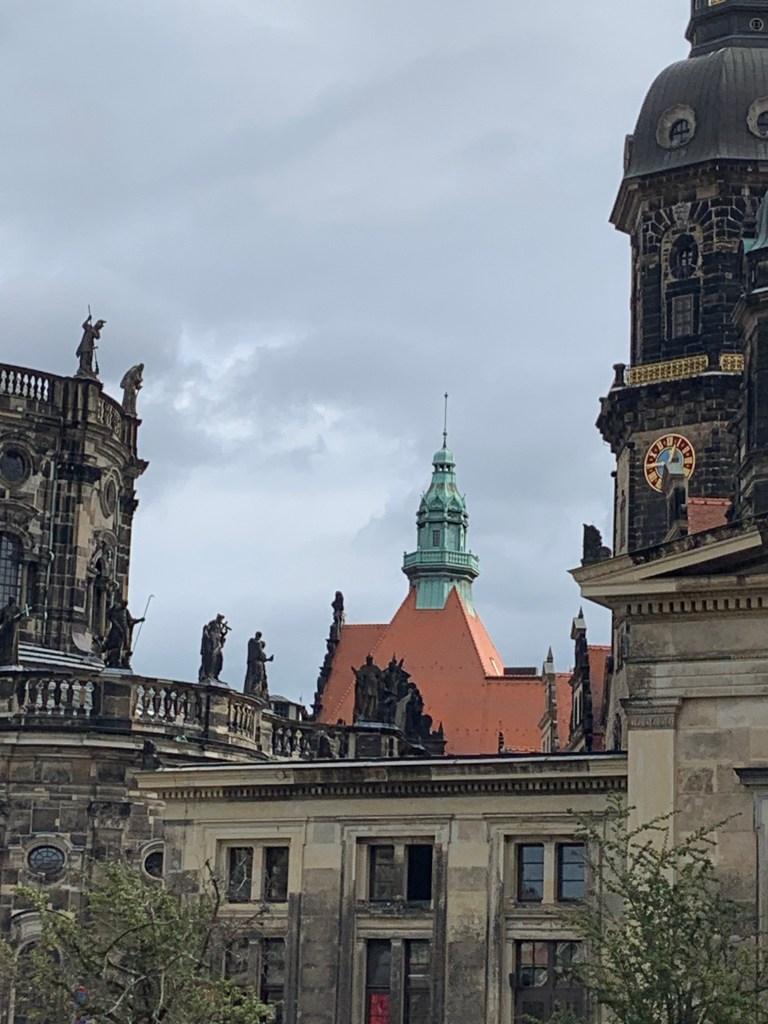
As bombed out as Dresden was it’s ruined buidings, lots of chuches, Opera house and palaces have been restored. They used a combination of new stone and original so you can see the discolored stone intermixed with the new.
Opera House as seen from across the river Elbe
The Catholic Church

Protestant church
A pan shot of the famous Meissen Porcelelain tiles
In the palace work being done in the central courtyard. The escavation is slowed up because the dirt has to be sifted for artifacts
Dresden was the city where Martin Luther started the Protestant reform movement, casting off the Catholic hegemony in religious observance, happened here
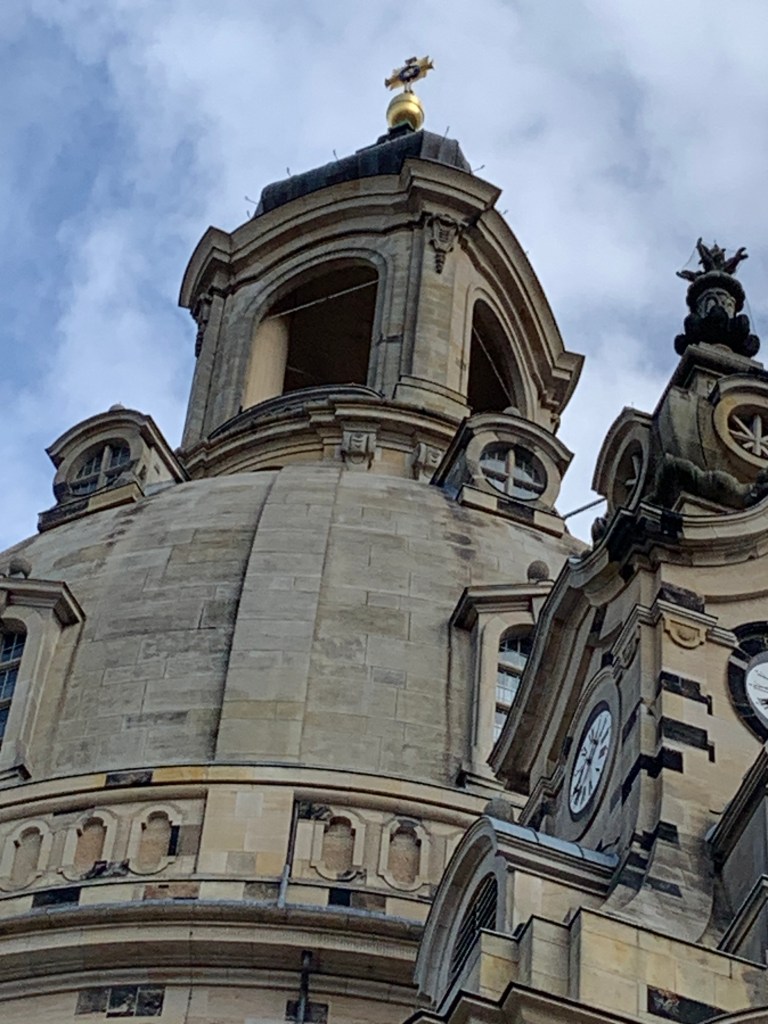
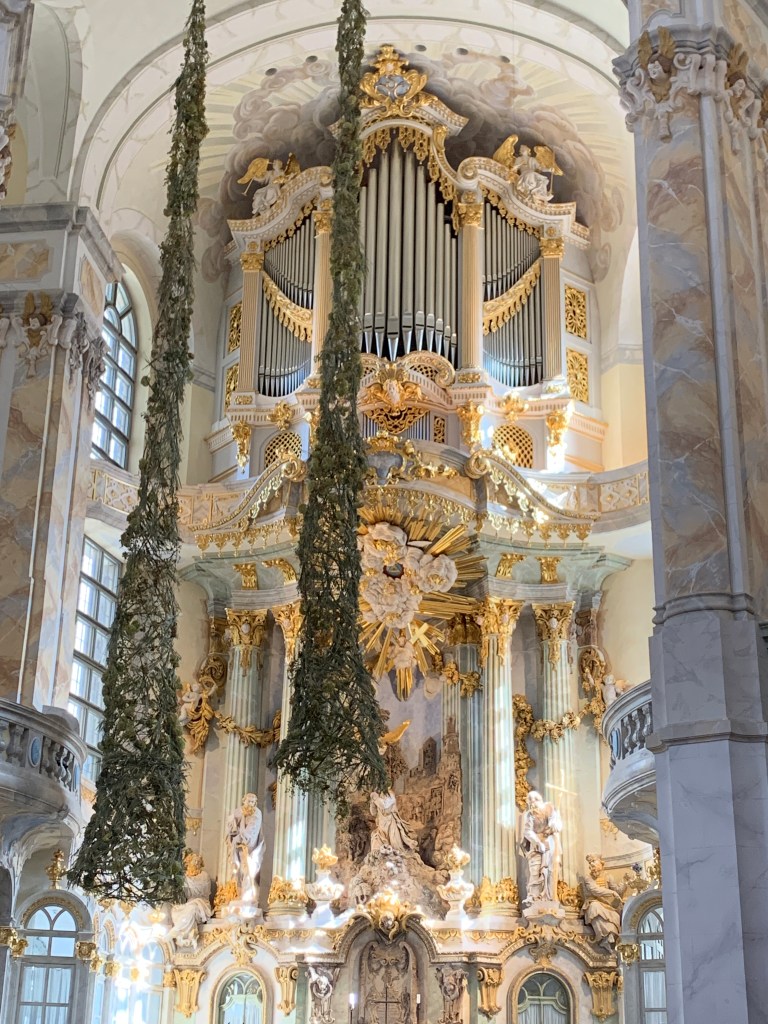
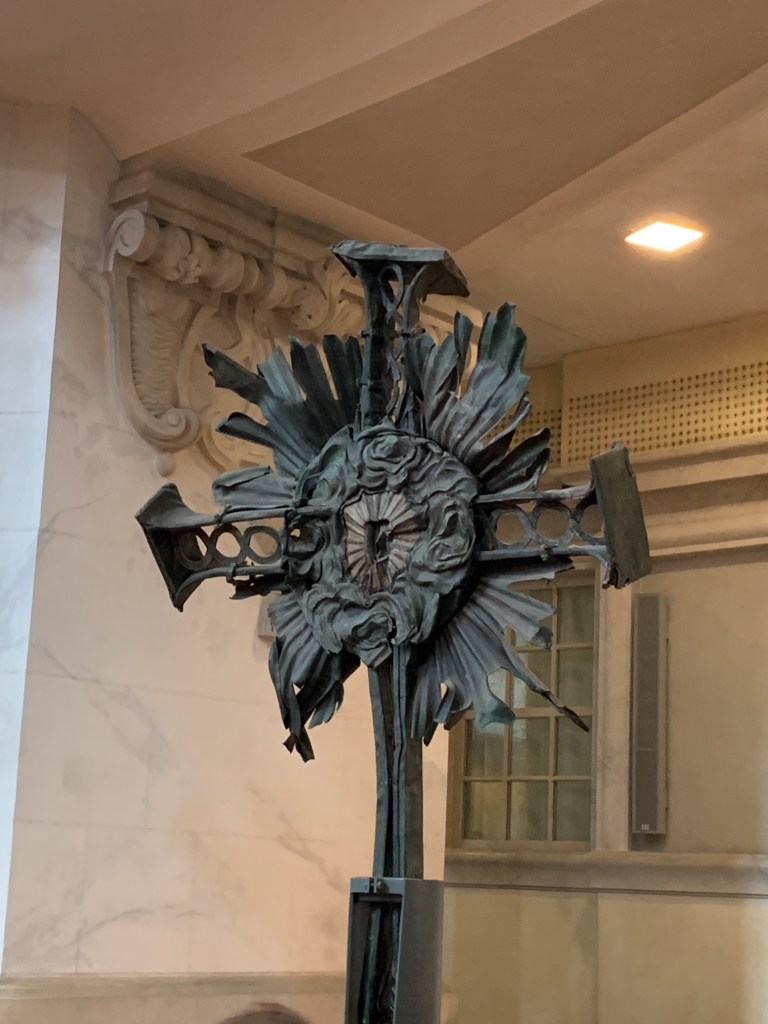
This Protestant church was bombed by the allies in 1945 The dome weighed 12000 pounds and with the sides of the church collapsing, the dome collapsed into the rubble. Afrer the war the church was rebuilt,England sent a gold cross to set atop the dome, a symbol of peace.
Inside the church
Below is a metal sculpture made by a British bombardier acknowledging the British role in the bombing
On October 5th we depart Dresden for PragueOur first stop was to tour a Nazi prison camp in Terazin
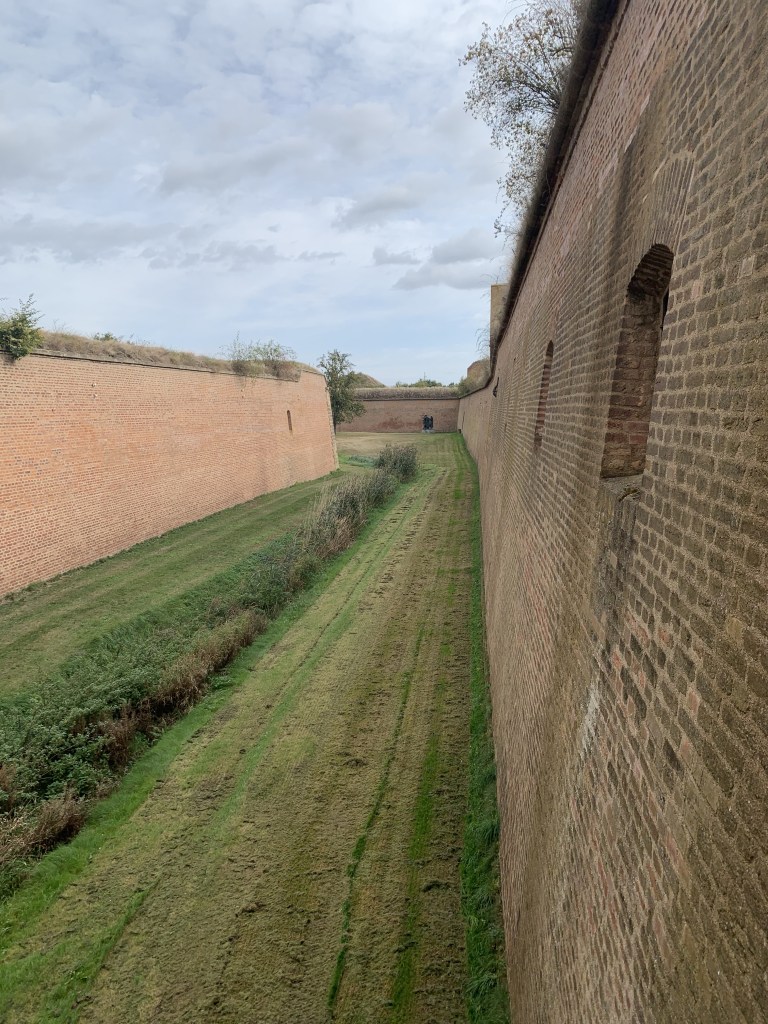
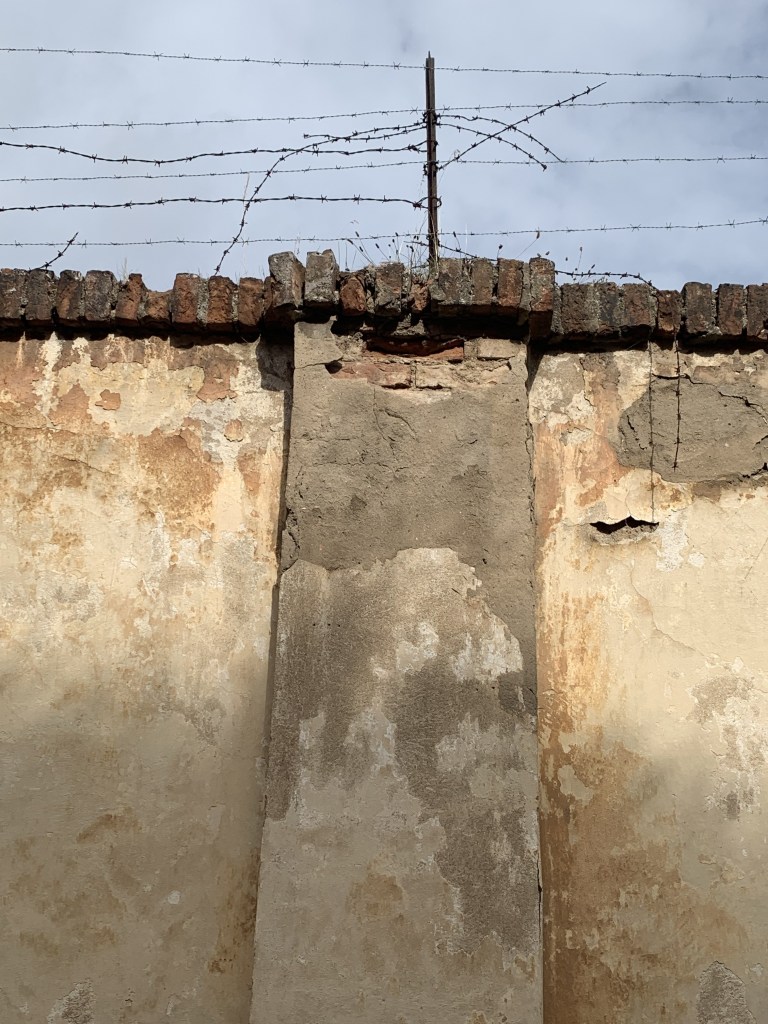
Terazin was originally a fortified fortress that the Nazi’s saw as a naturally enclosed area that could be used to round up the Jewish people in the surrounding area and imprison them. The ominous implication was the eventual deportation of them to the death camps. In all over 58,000 Jews were incarcerated here.
A look at the walls of Terazin
As a living testament to the faith within the walls a secret Synagouge was built inside a home
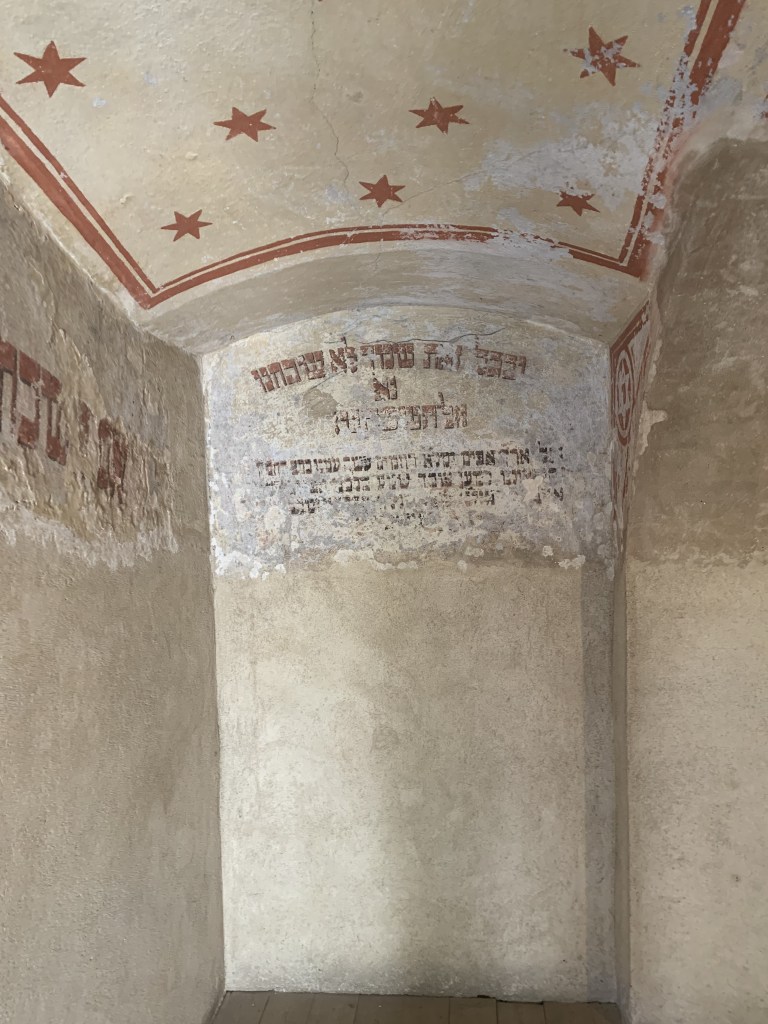
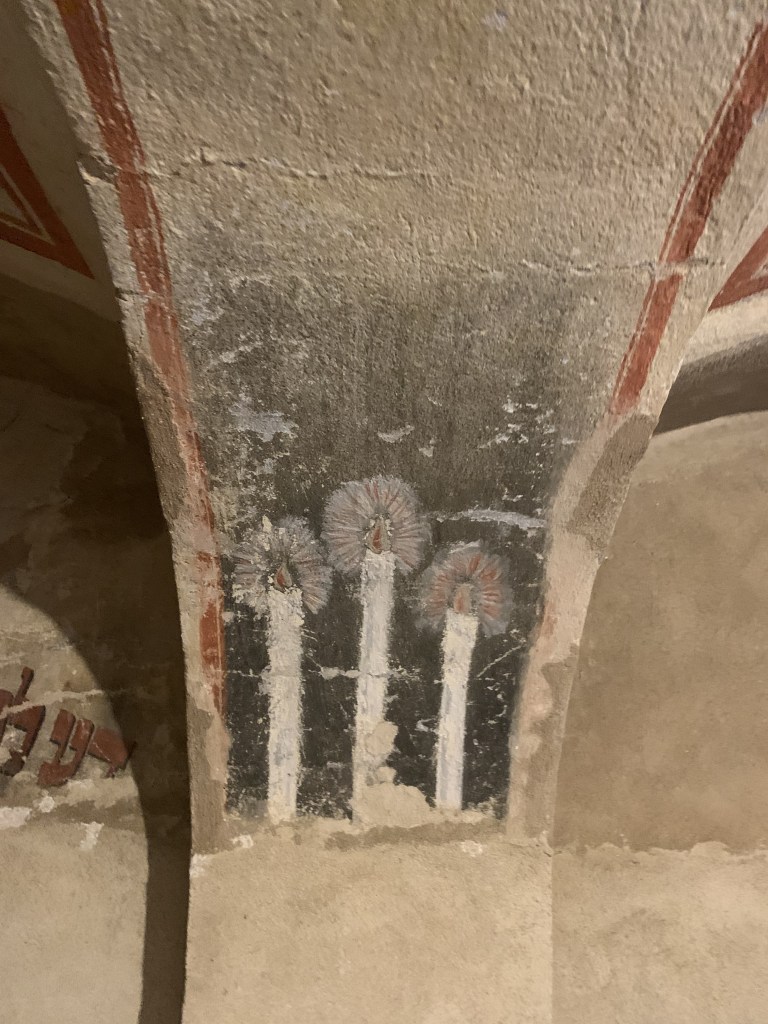
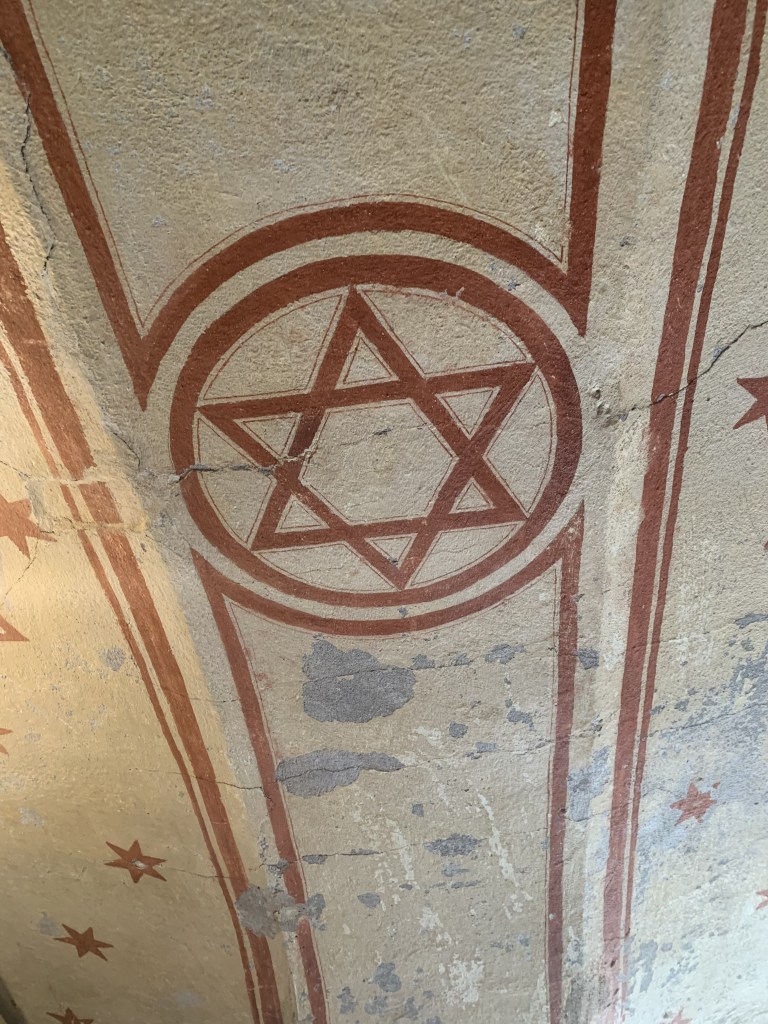
Inside the barracks where the people lived up to 30 people in a small room
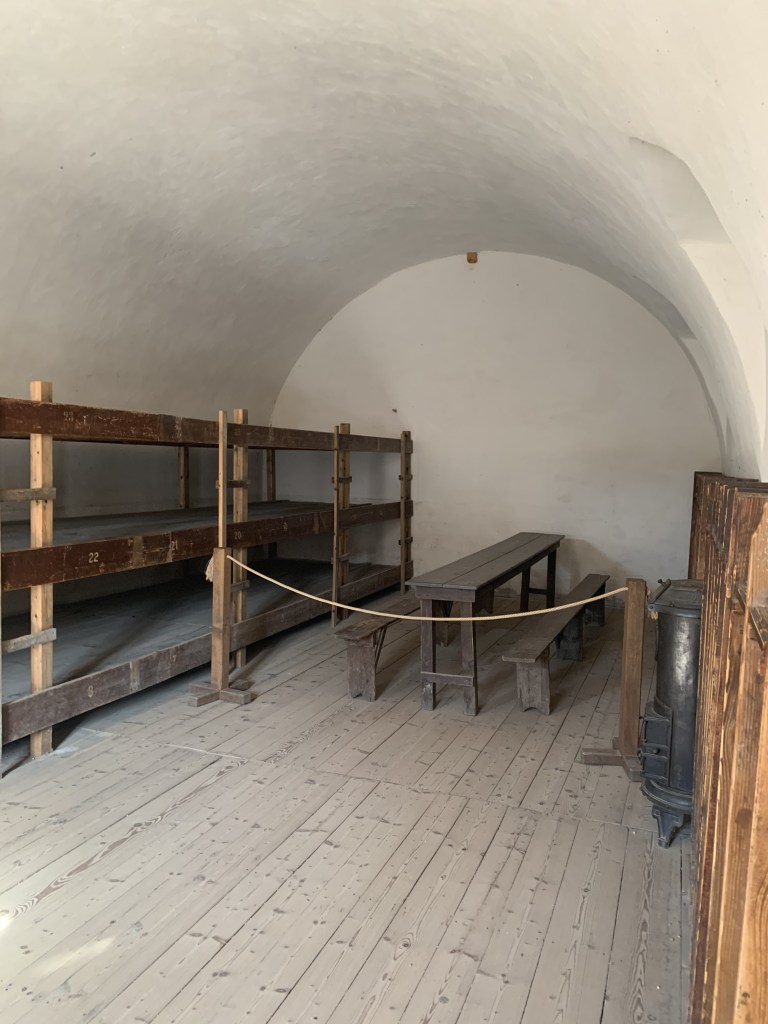
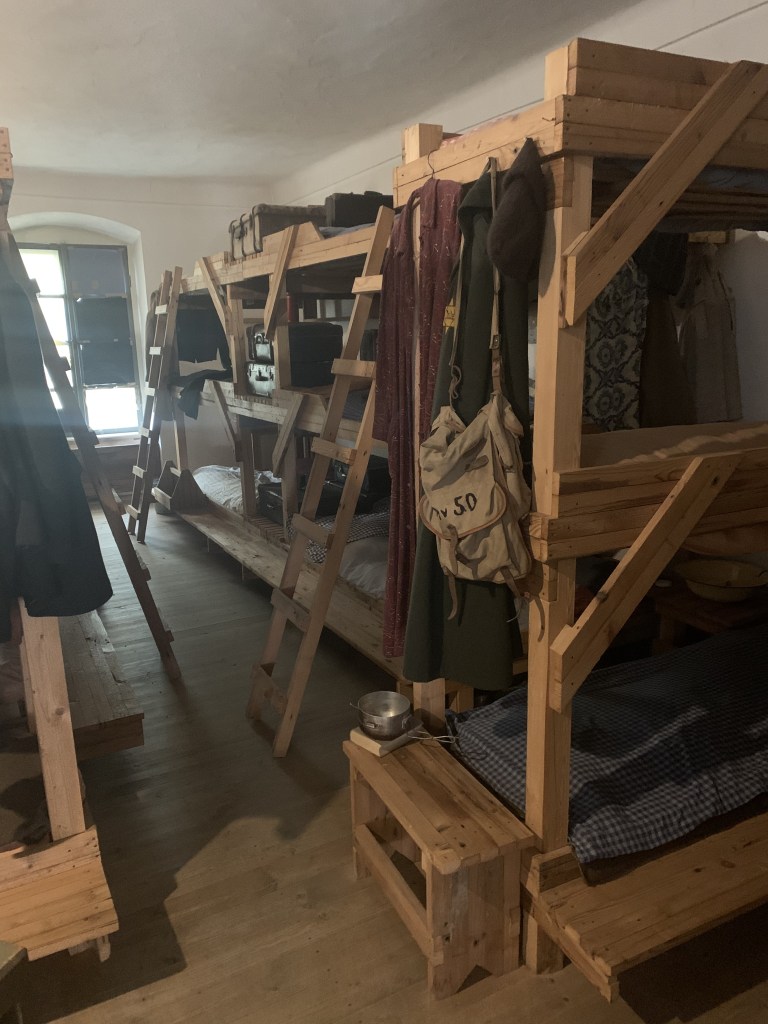
It was a contemplative visit
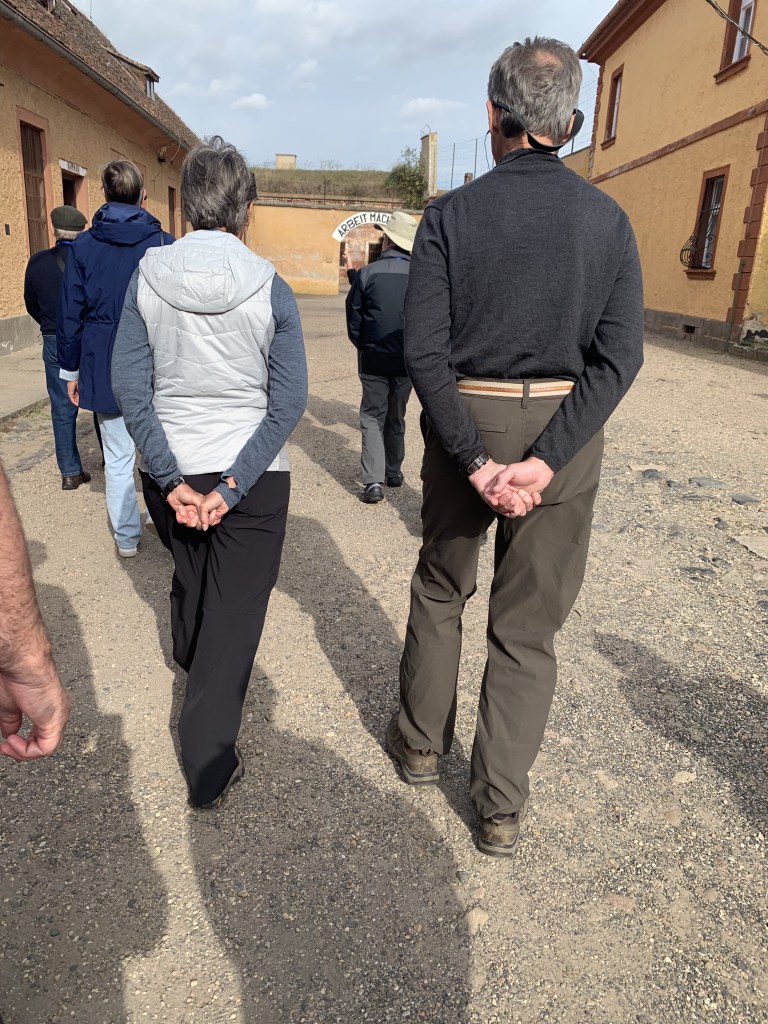
Even in the most dire of situations for people to try and survive, the creative spirit and imagination still thrived in the art and writing in the camp. Just a few of those named in the museum gives you a sense of the sustaining collective effort to see the world as more than the evil surronding them. A young 14 year boy Petr Ginz created a magazine captuing the life in the camps. He was eventually sent to a death camp
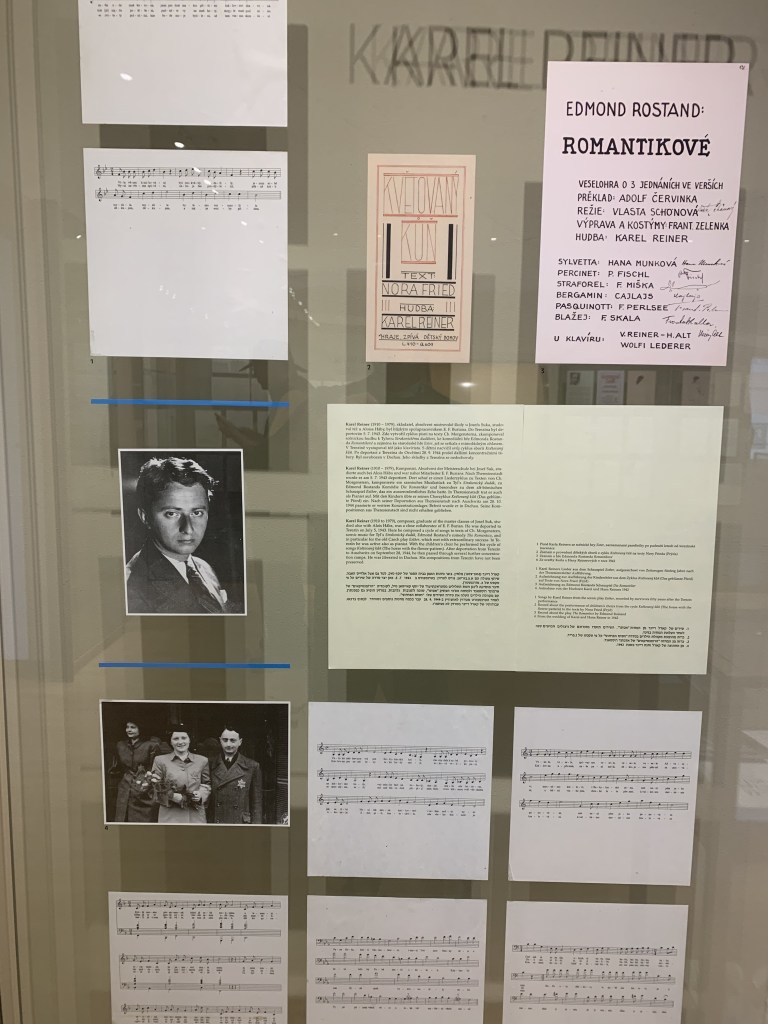
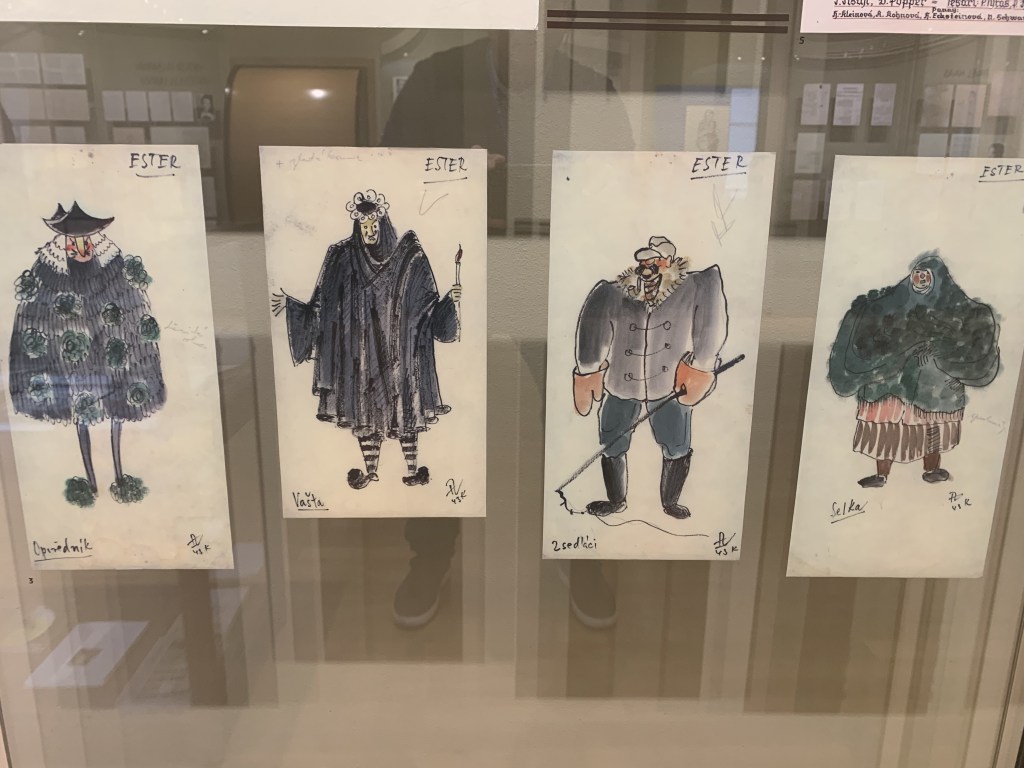
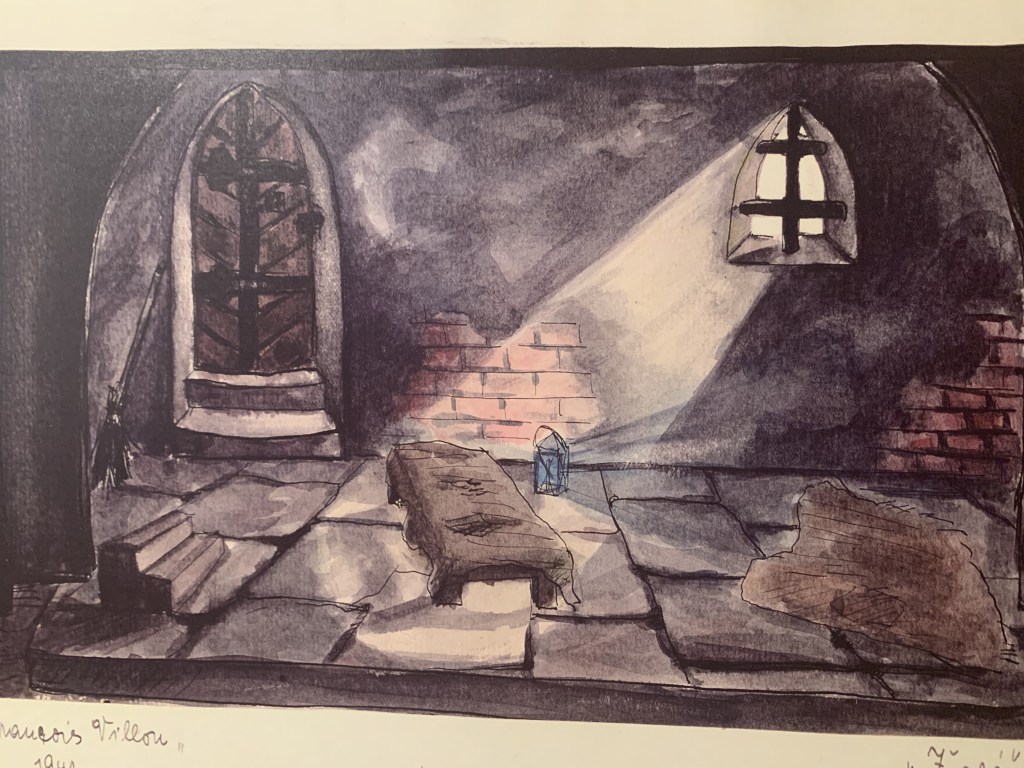
The art work of Terazin on display in the museum gives you a sense of what they saw, and what could be yearned for in their imaginations

Light illuminates
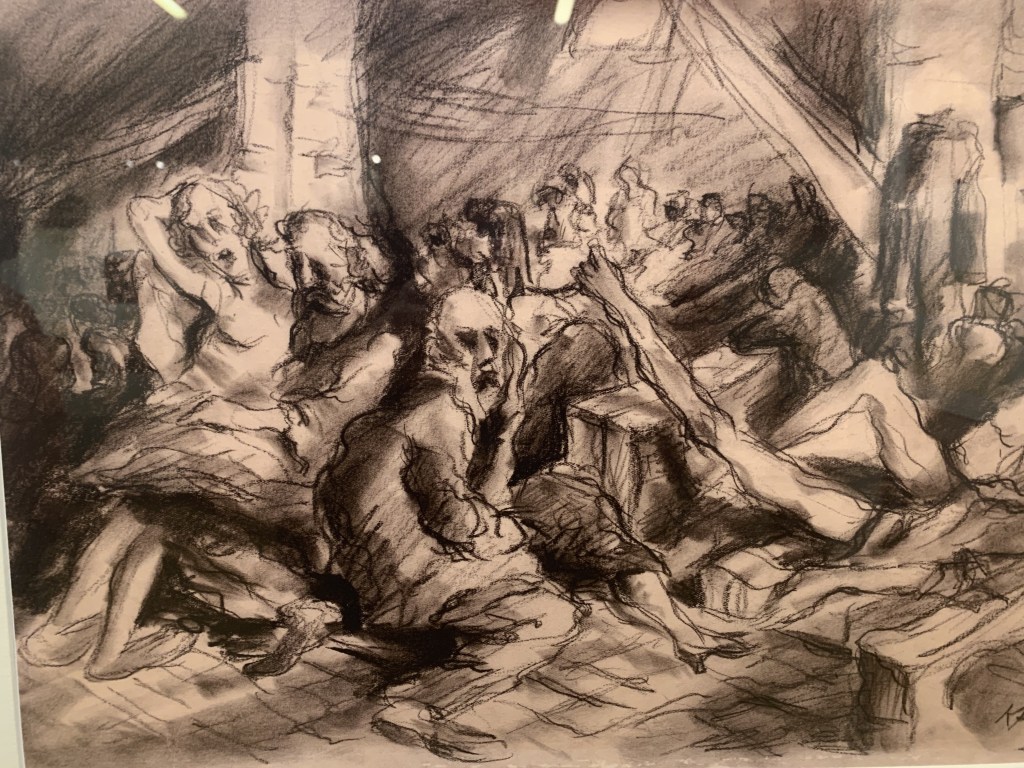
Picture of the horror
On to Prague as you can see this trip through Germany, Czechoslovakia, and Austria, while full of interesting sights has a somber feeling too, based on the evil perpetuated here on people because of their origin or race. I don’t think it too cliche to say, could it happen again. When you seek political ends by demonizing others, it is indeed quite possible. Witness the rise of authoritarianism not only elsewhere but in America as well. When in places like Germany you appreciate what America not only represents now, but the liberation of Europe from tyranny.
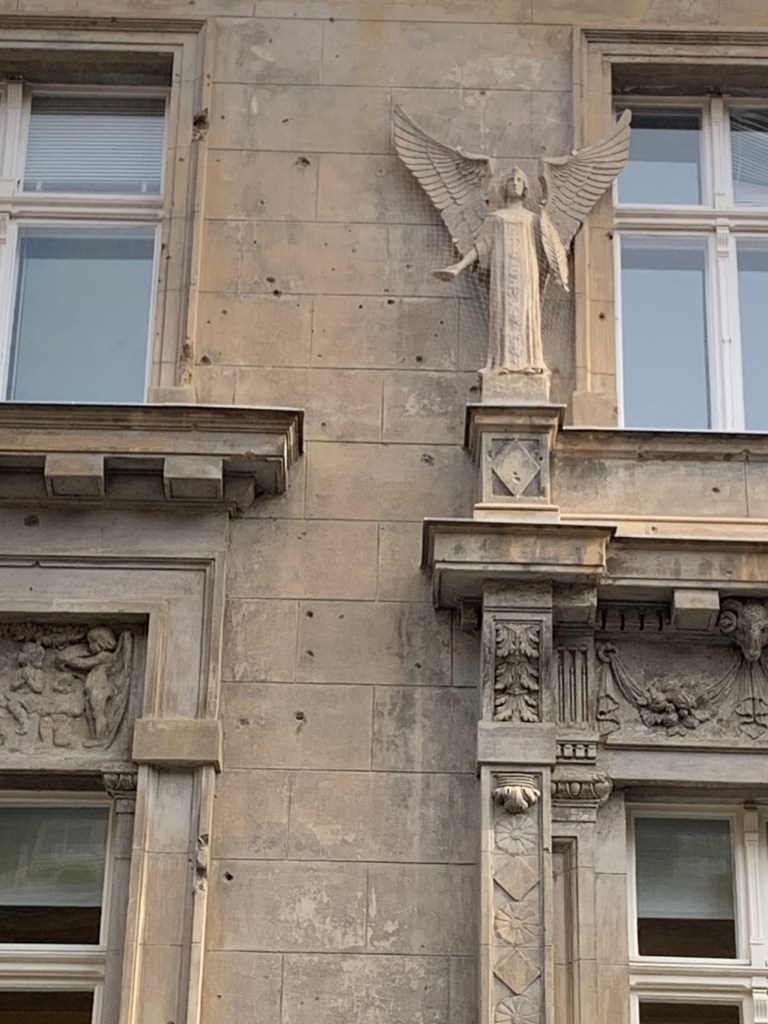
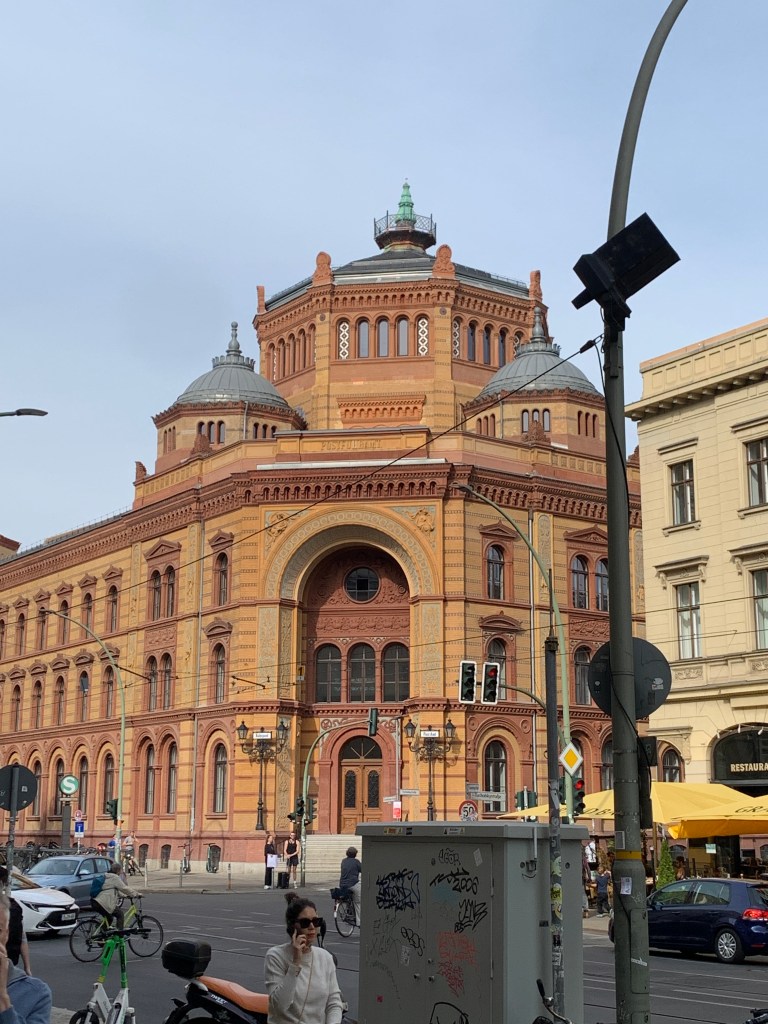
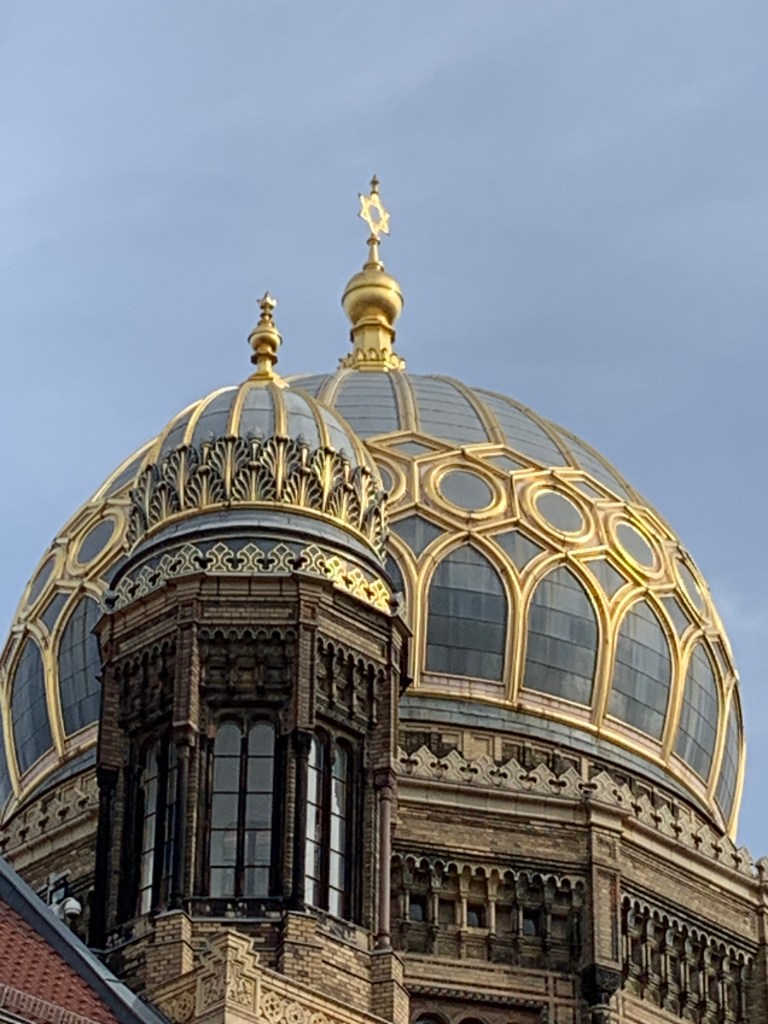
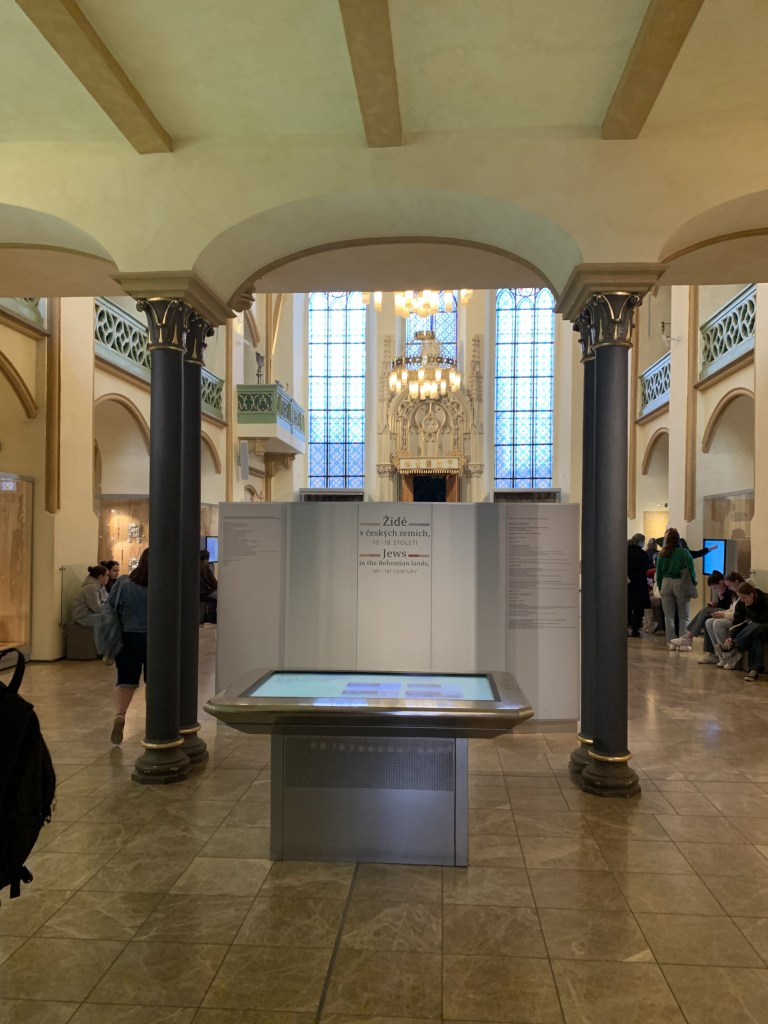
On our tour of The Czech Republic we went to the, so designated in the day ,Jewish district. Here flourished the many Jews herded into this area. There are beautiful Synagogues ,and reminders of the what happened here in the past, with bullet holes still visable in buildings. Due to extreme right wing movement, to this day, little children need to be escorted from morning services to their school. You will see soldiers guarding the Synagogues.
Bullet holes
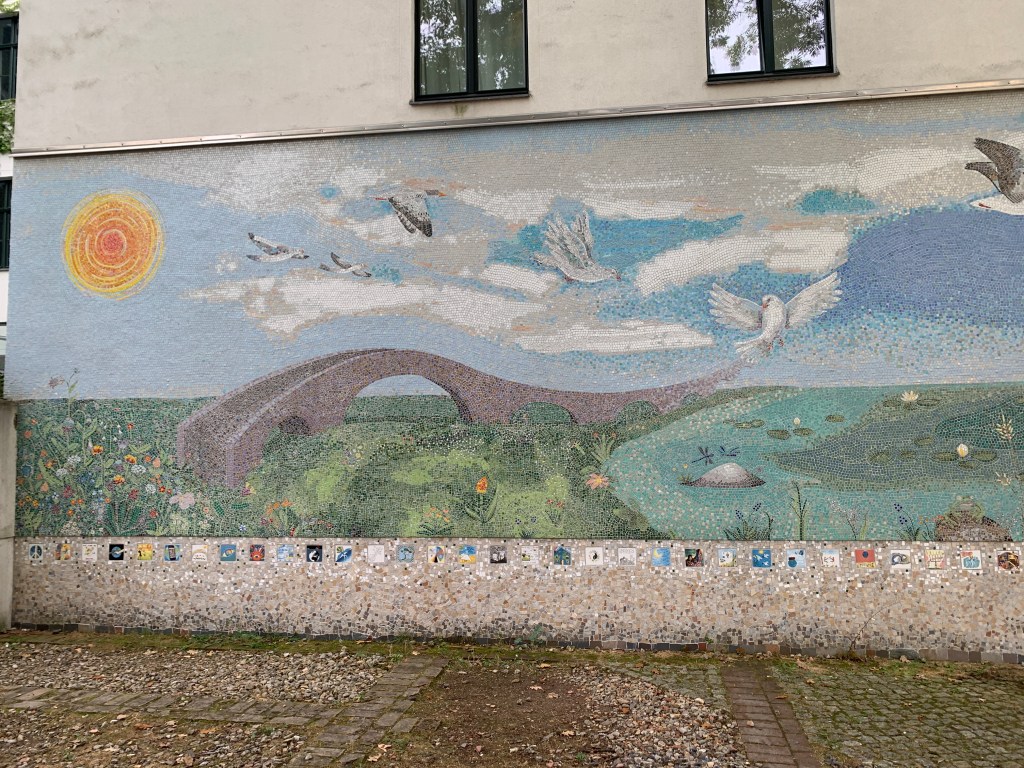
Lovely tile mural a collective effort by the youngsters, a testament to peace
Due to the size of the Jewish quarter the Jewish Cemetary
graves were stacked upone one another, thus the cluster of tombstones


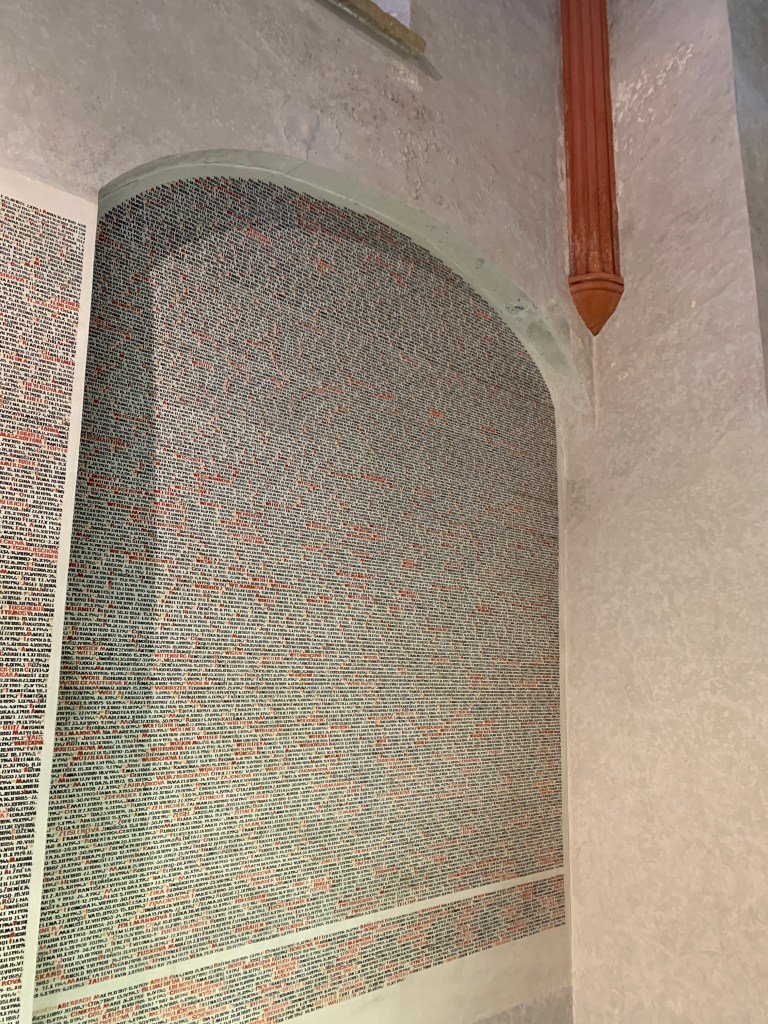
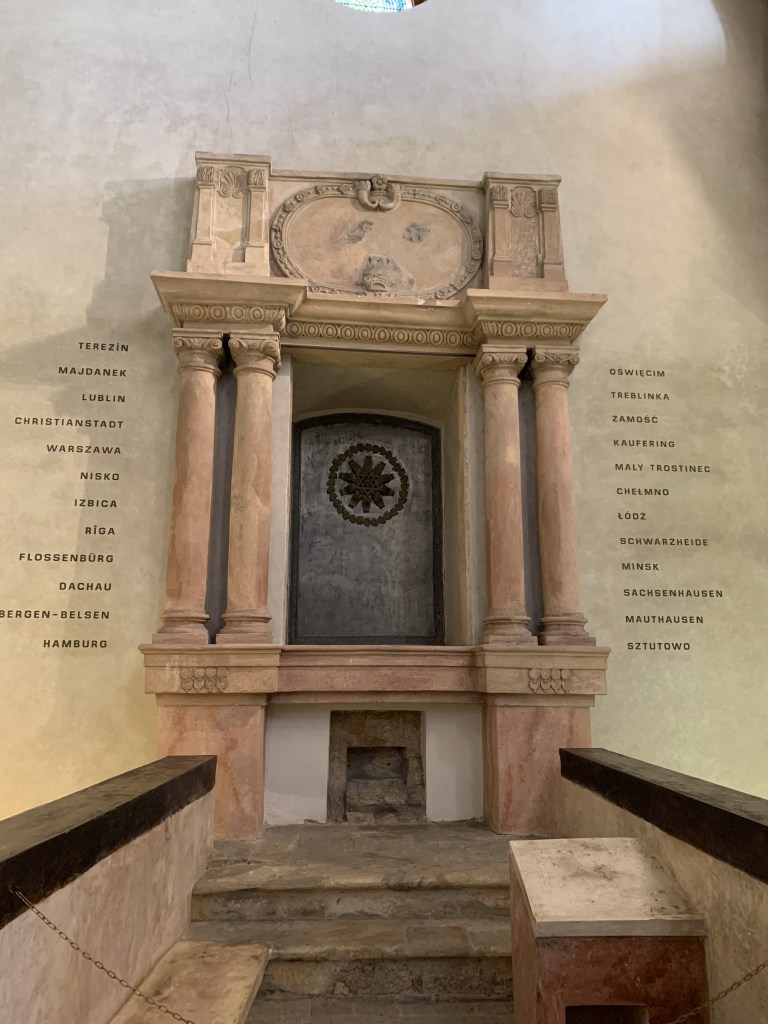
Memorial for Jews lost in the Holocaust with the death camp names on either side
Through out the city you will find gold markers embedded in the street memoralizing those killed by the Nazis.
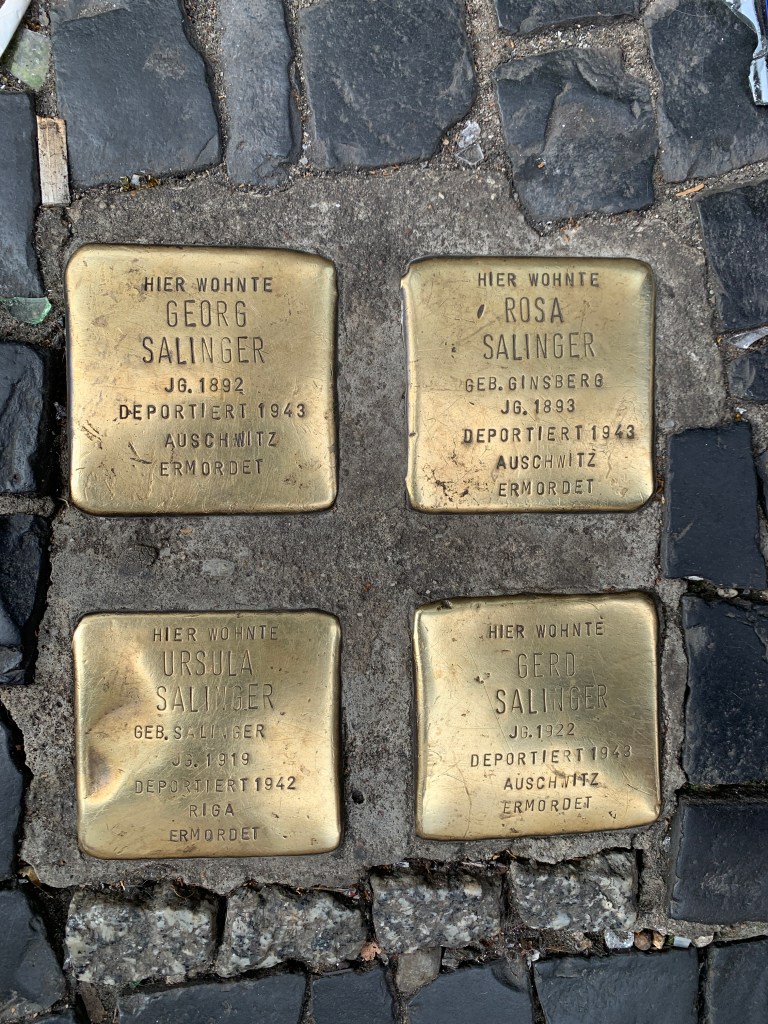
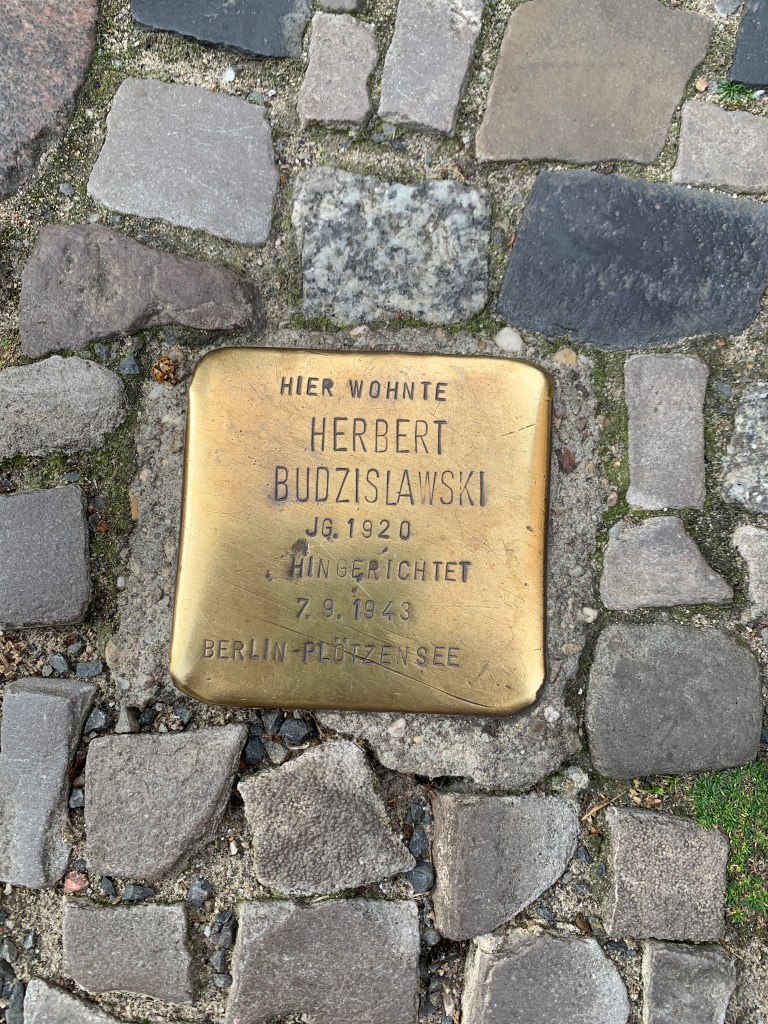
Original Art work of the young children in the prison camps
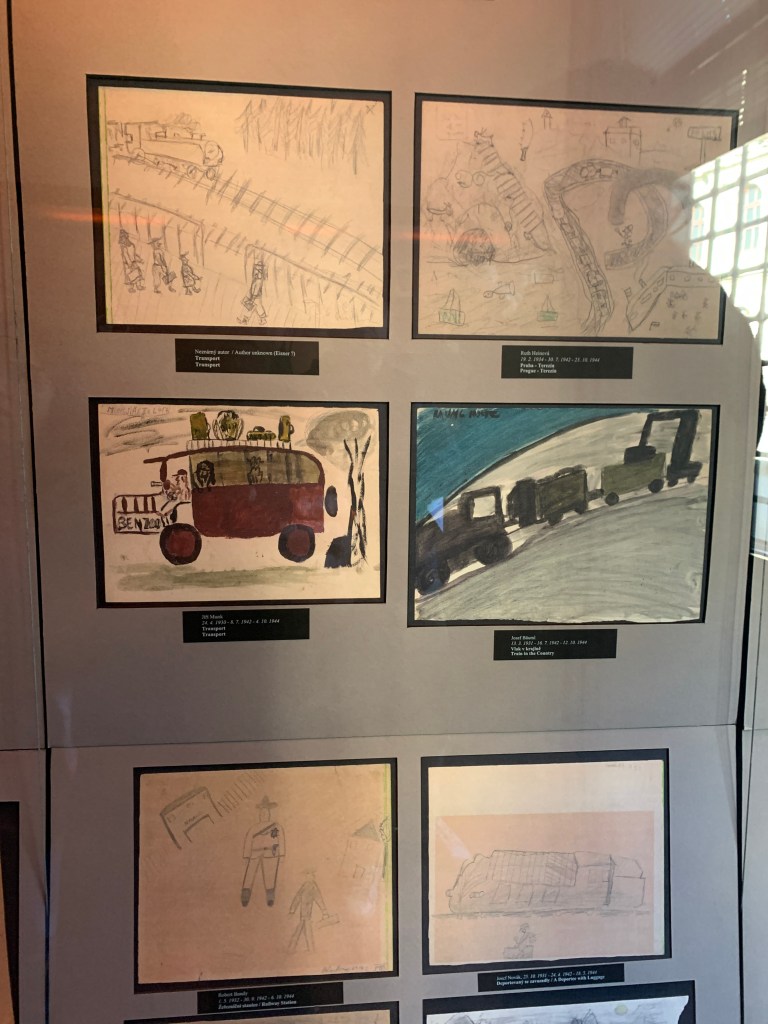
A lighter moment, as our group wend its way through the narrow alley
Portrait by same artist who did the famous Obama painting

Our visit to The Czech republic which was invaded by the Russians in 1948 and for the next 40 years they were under Soviet occupation but with Gorbachev’s Glasnost, the renunification of Germany, the fall of the wall, and the velvet revolution in the Czech republic , democratic governing re-emerged. For the Czech Velvet Revolution, Vaclav Havel led the rejection of totalitarianism. The balcony where he made his speech to free the people. In the distance is the large square where the people gathered.
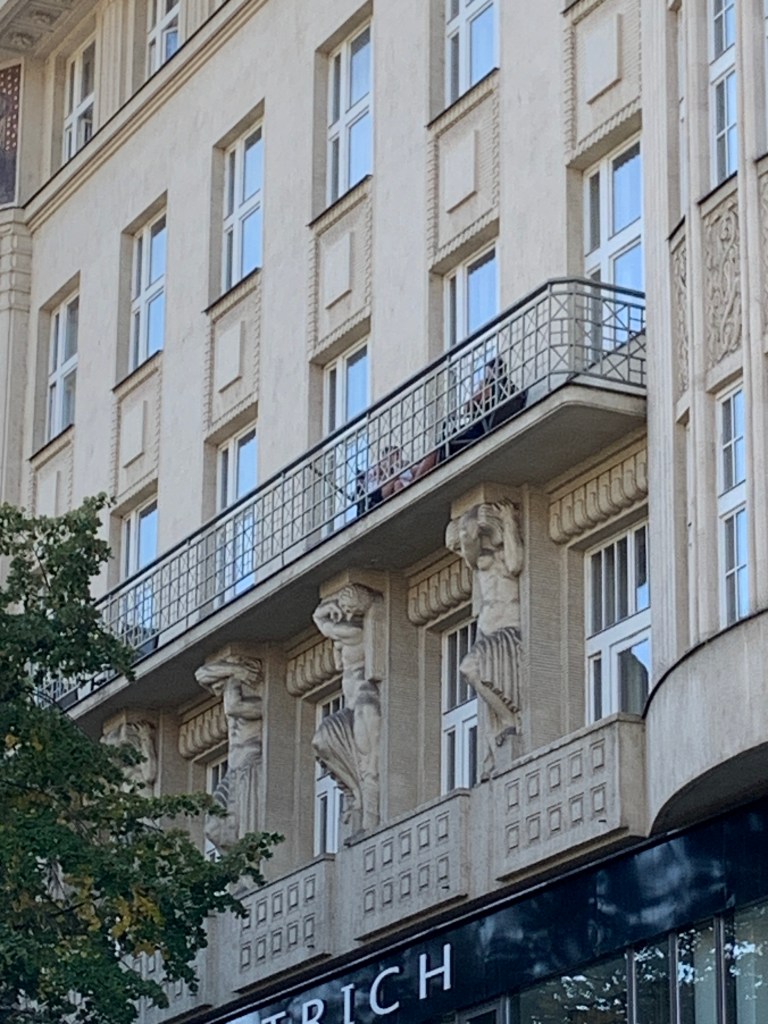

Our Guide Jana, also a Czech was with us the entire trip and she was an awesome person with great energy and knowledge. In the countries we visited, Germany, The Czech Repubic, and Austria we had local guides as well for the trip.
My personal very vivacious guide

To be Continued 🙂
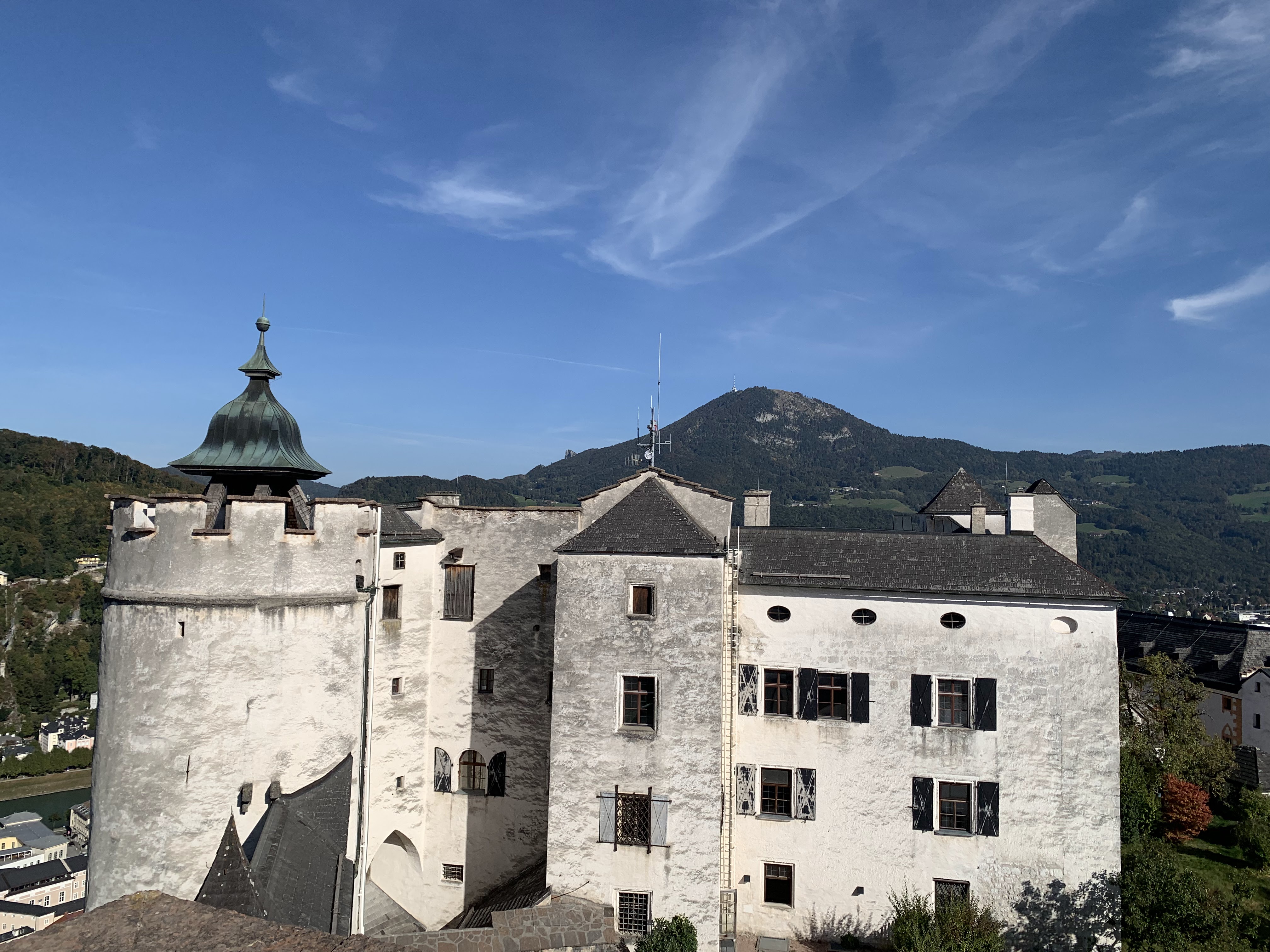
Today we made our way up stairs, many of them, to a ridge trail that leads up to Hohensalzburg fortress build initiated in 1077. The walk up itself provided many intriquing houses and views to photograph. The modern art museum starts at ground level, and ends up atop the ridge. If you want to take a shortcut, there is an elevator to the top.

Houses along the ridge, which, from their looks, go back centuries.
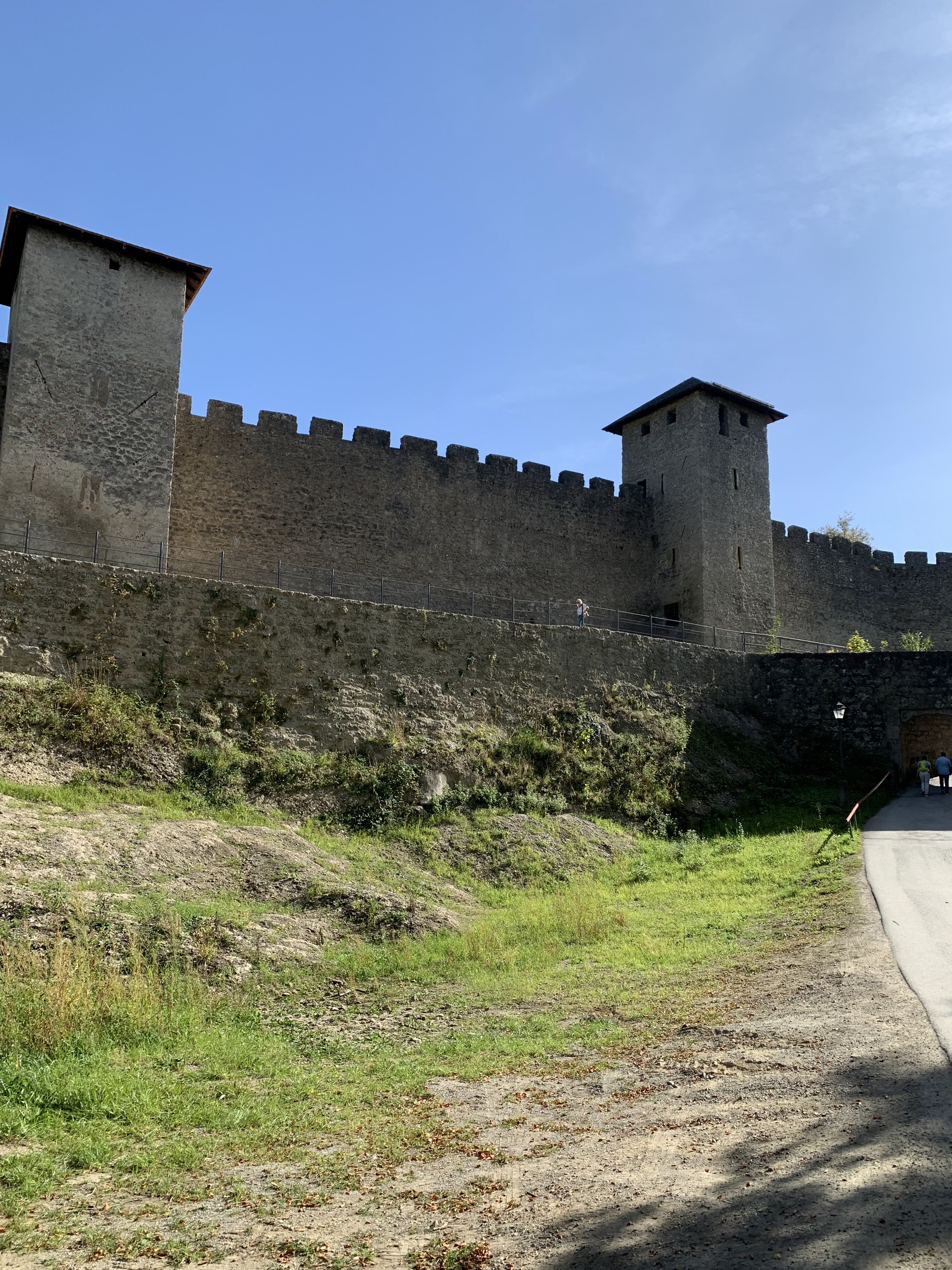
The outer perimeter of the fortress extends down away from the fortress itself. The walls are high and I think they provided interior space for cattle and crops to feed the inhabitants of the fortress. Along the walls you see guard post structures.


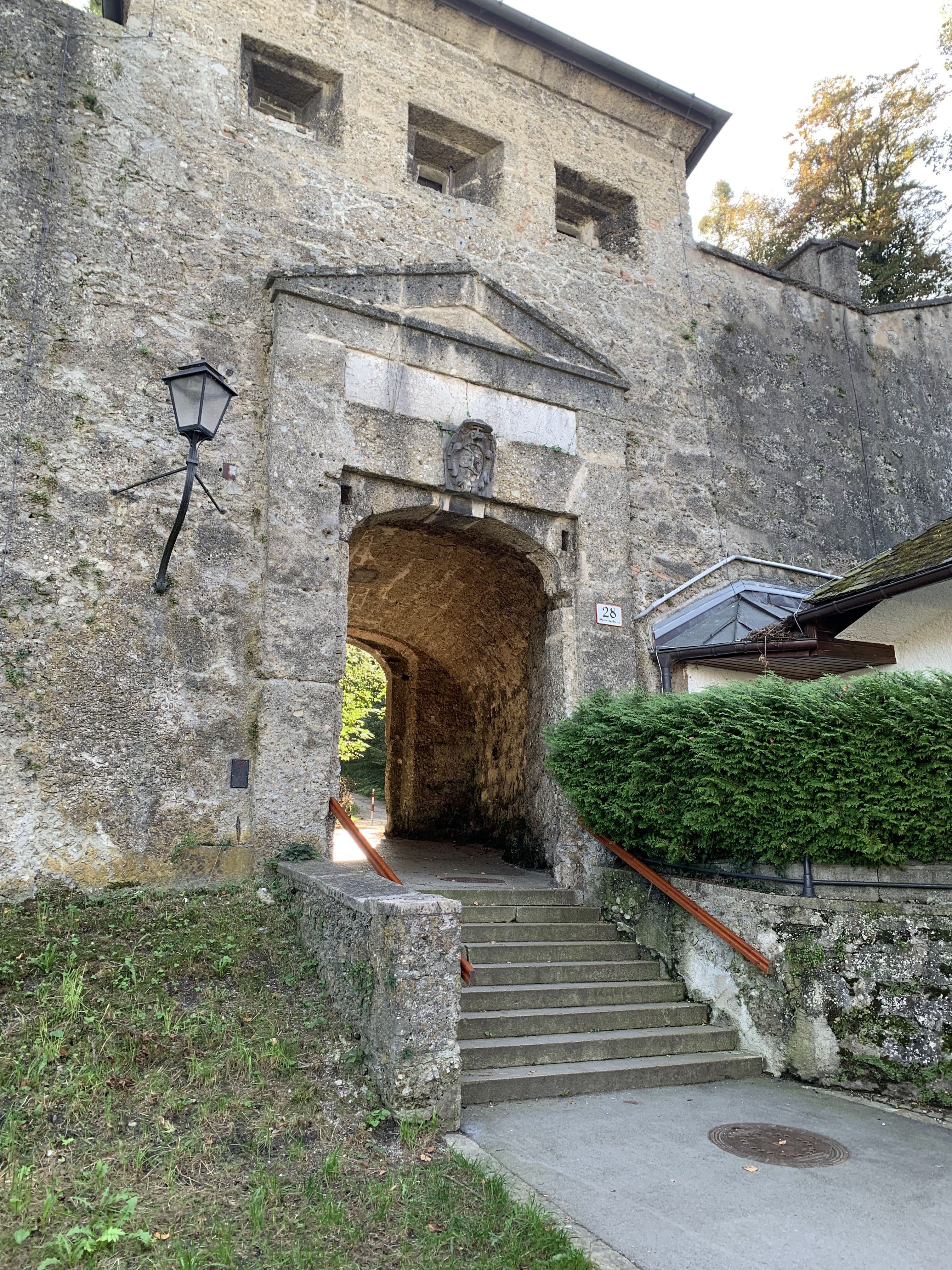
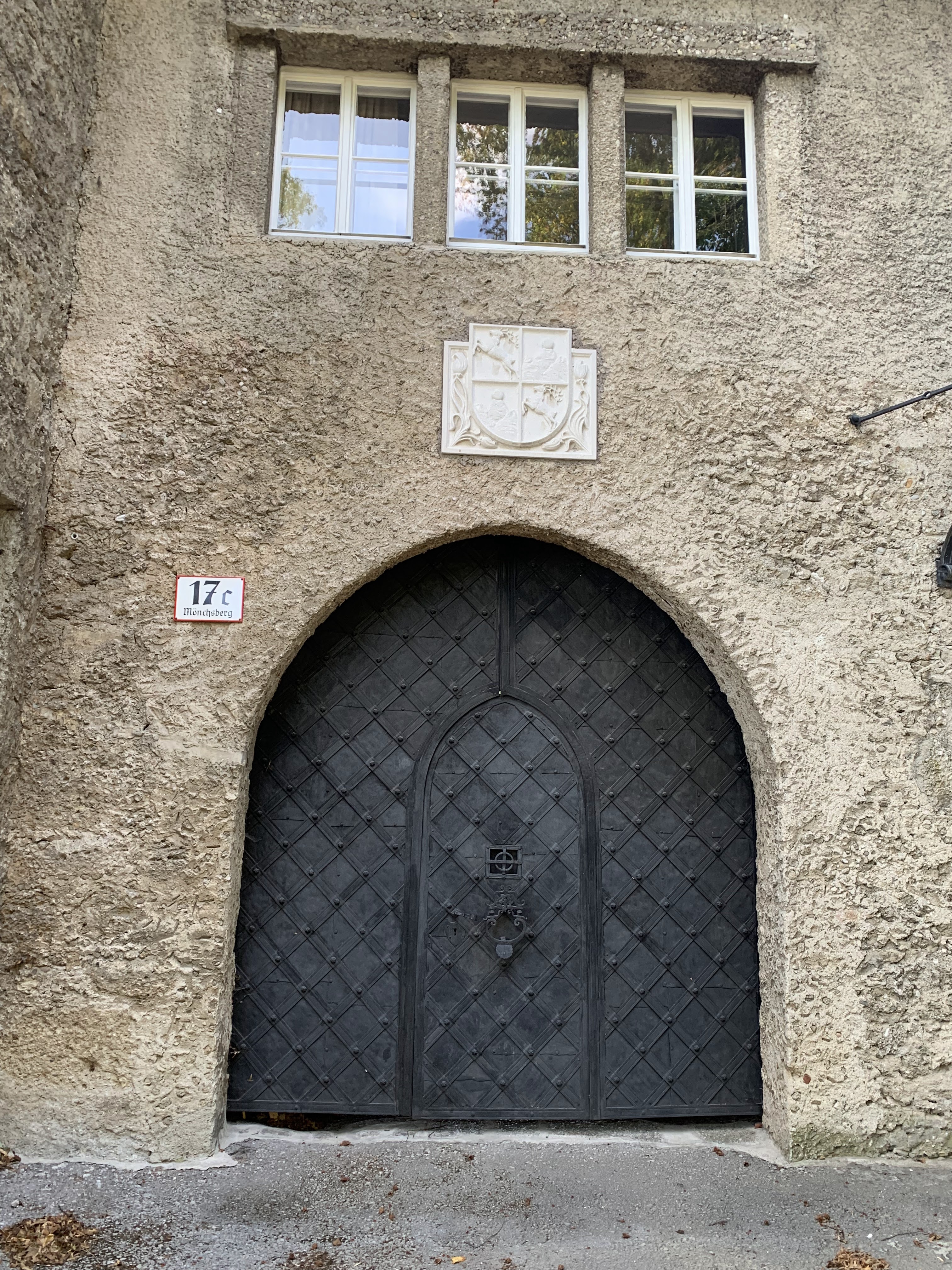
Door ot the well secured mansions we saw on our way up are formidable
At the museum we passed along the way there was this star gazing art installation

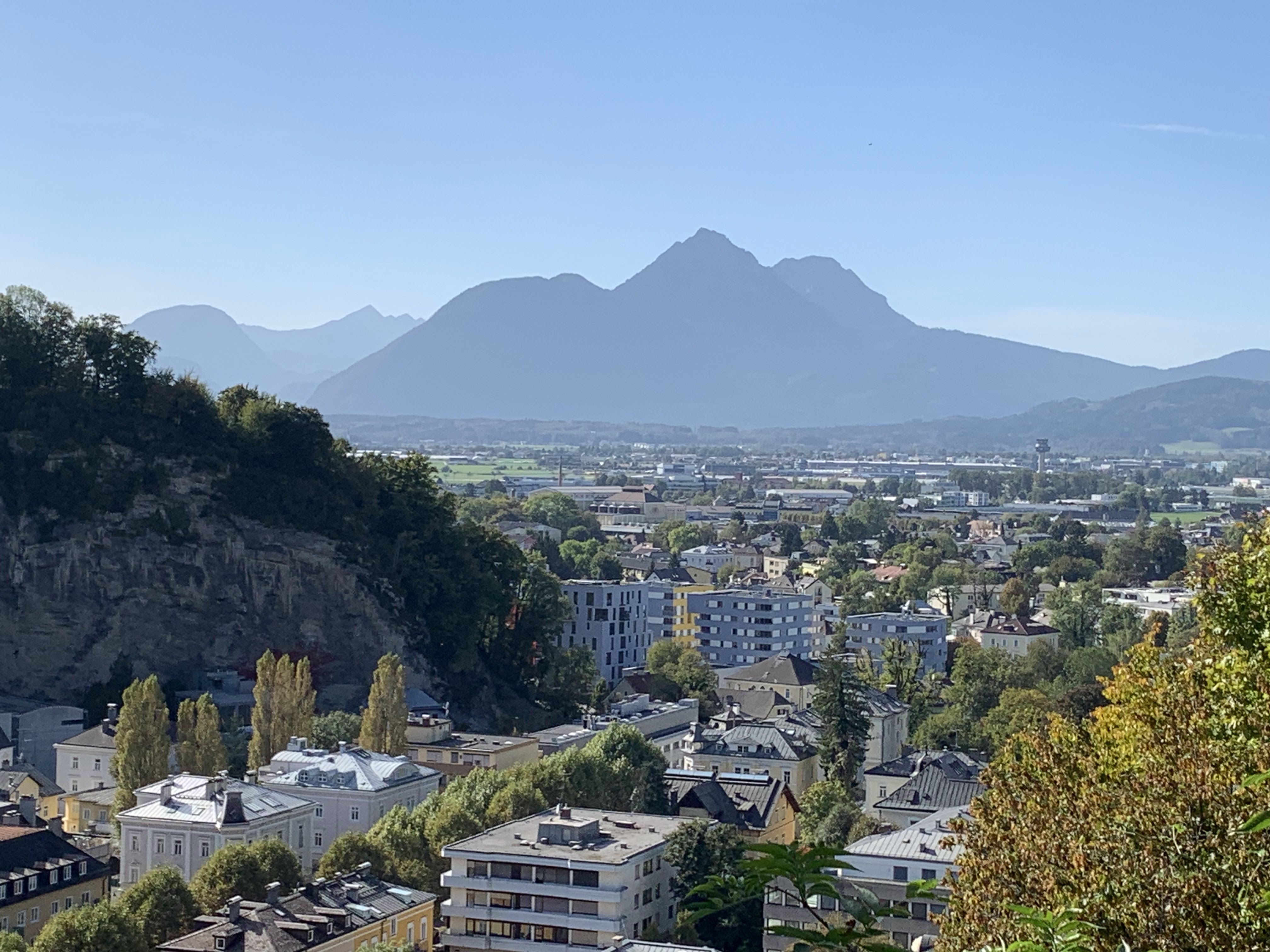
Views up the ridge walk ,as we make our way towards the fortress

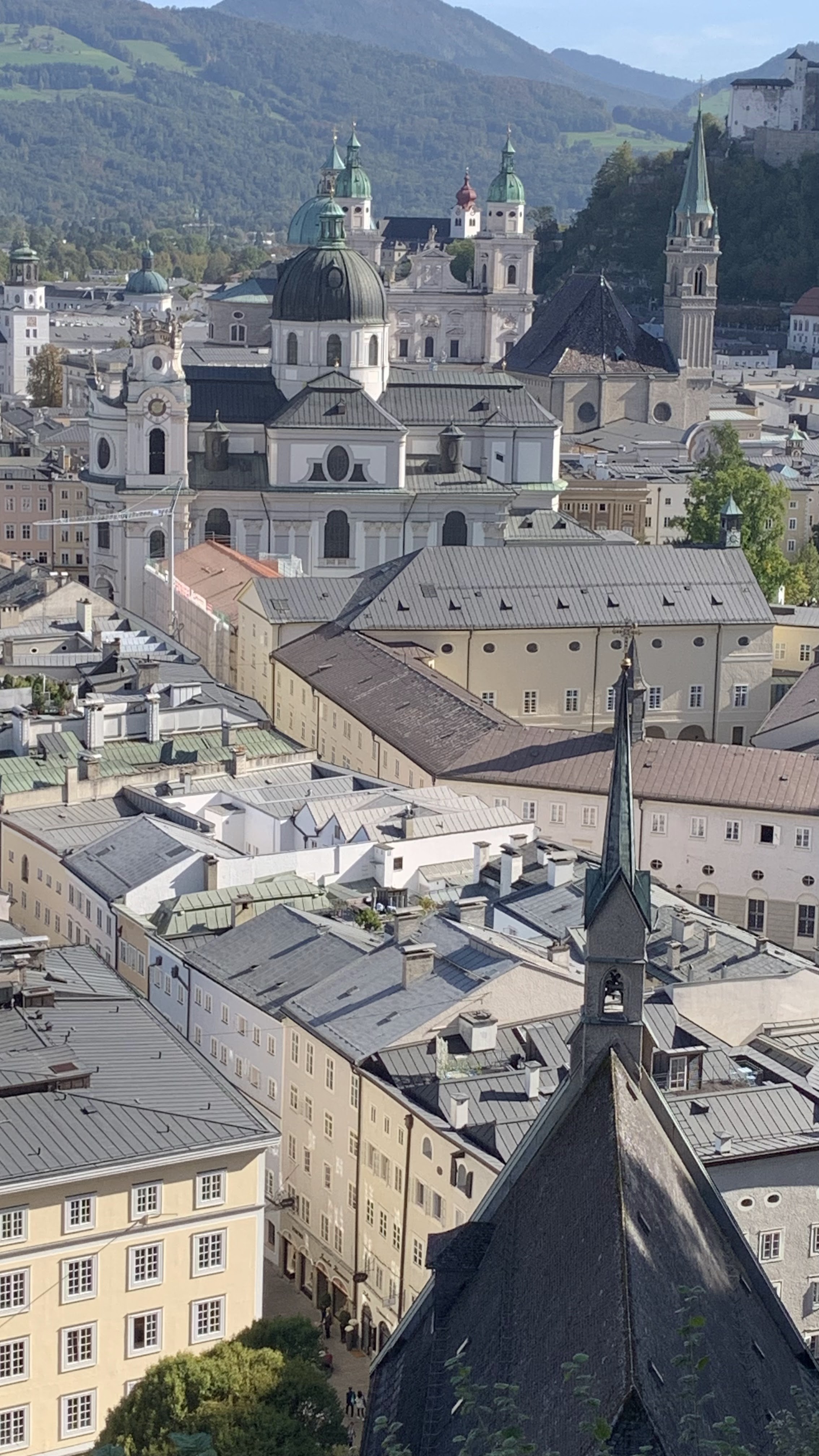
Starting to get views of the fortress but not there yet
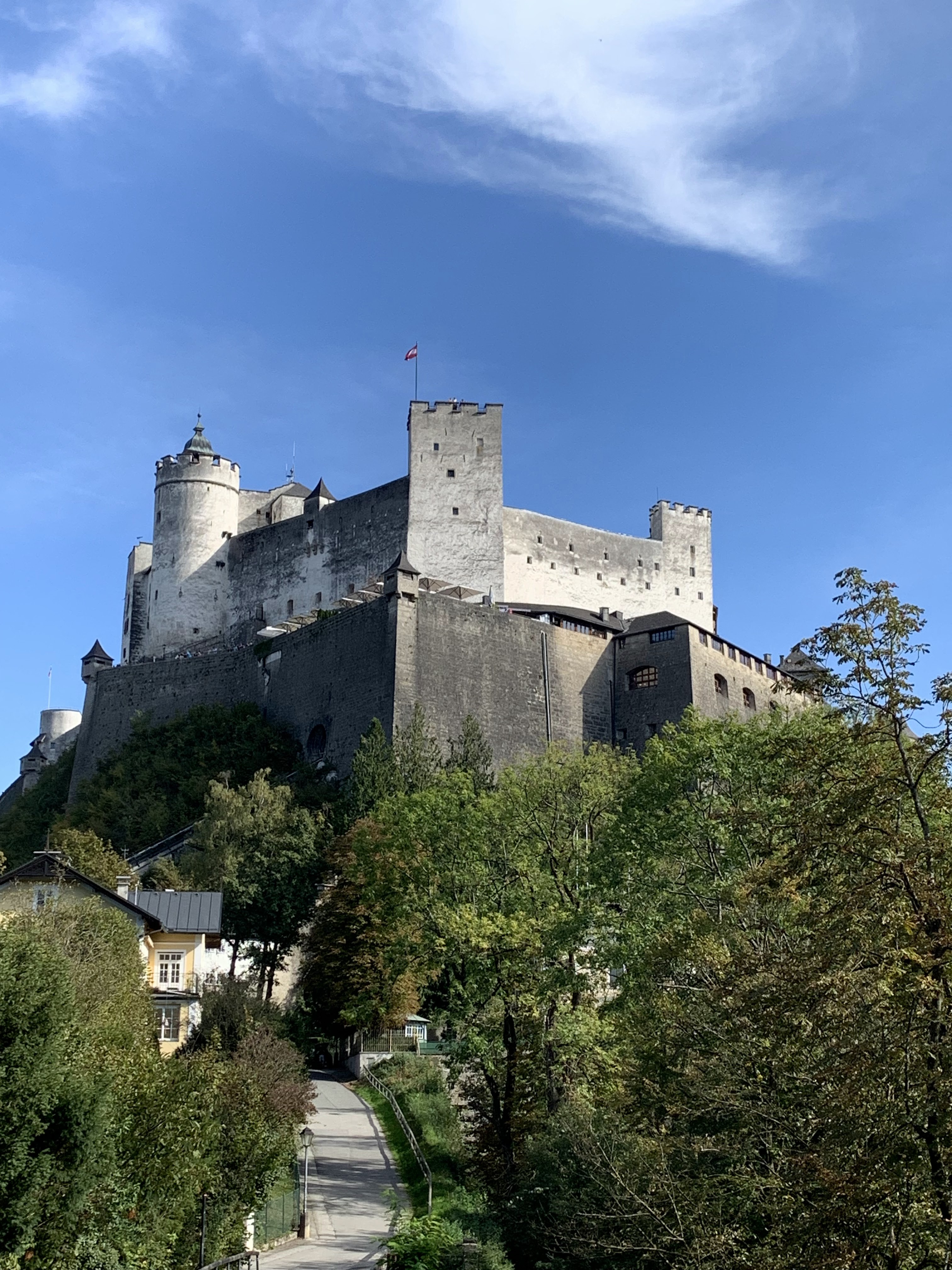
Closer
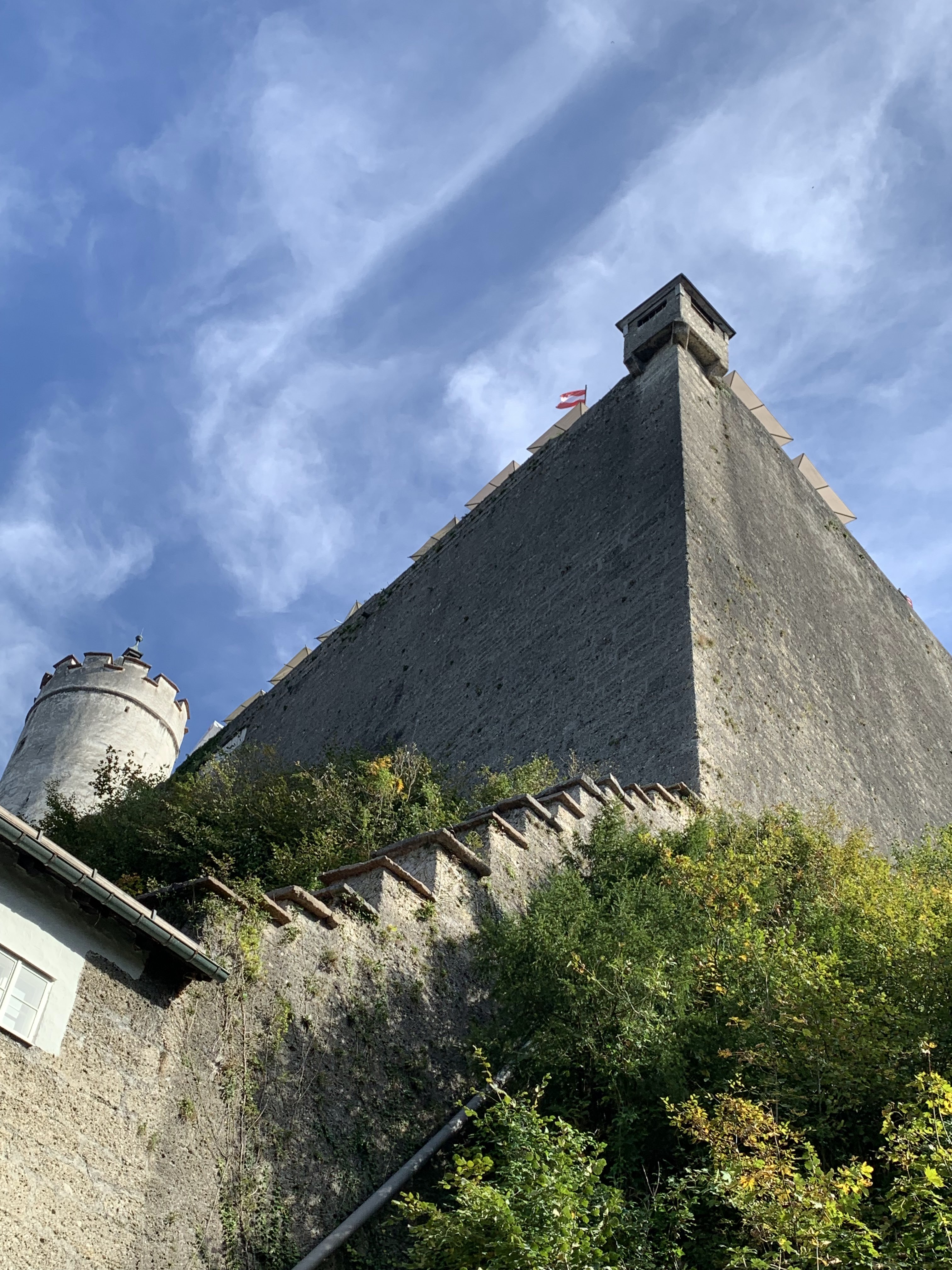
Made it!
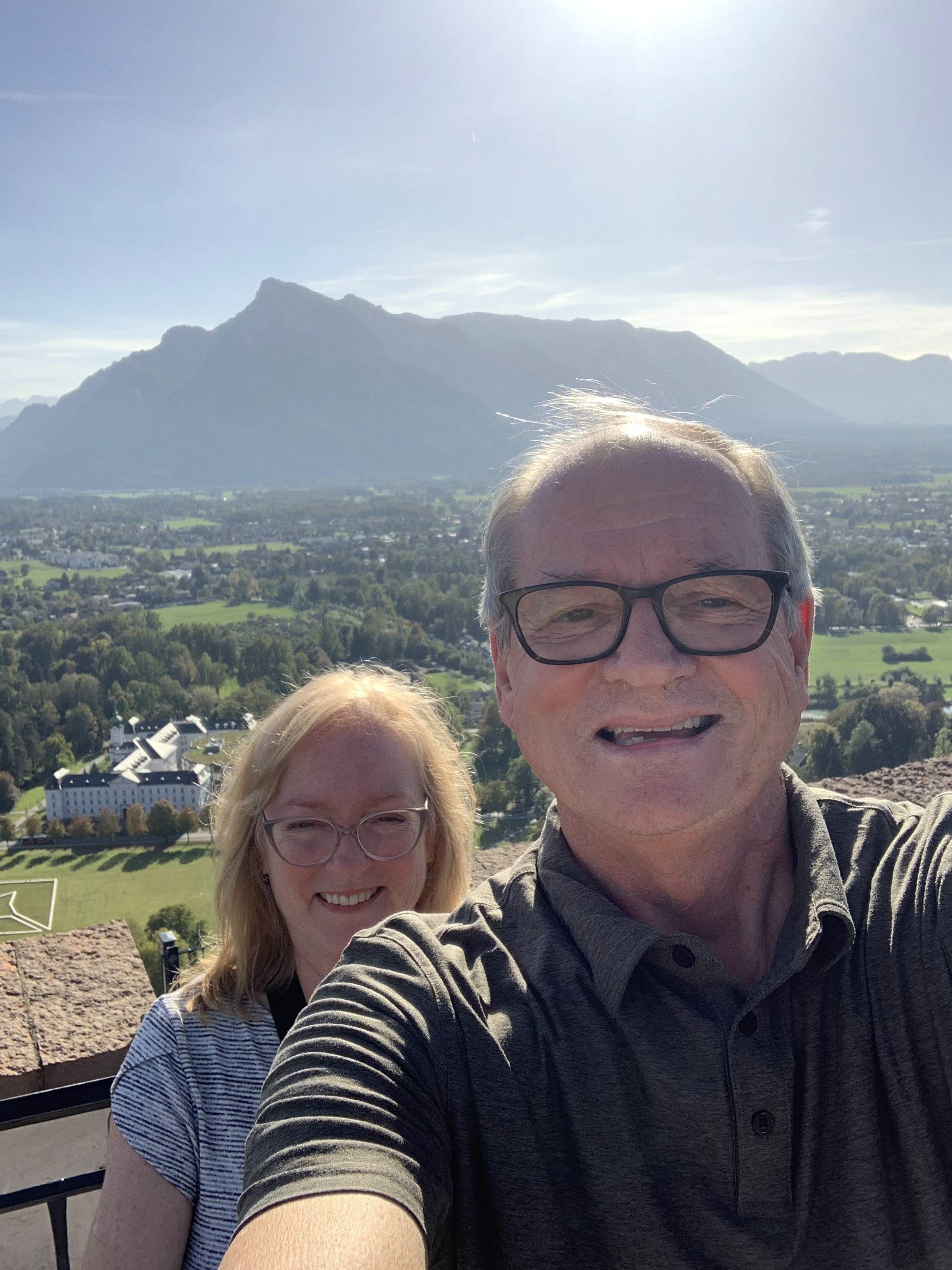
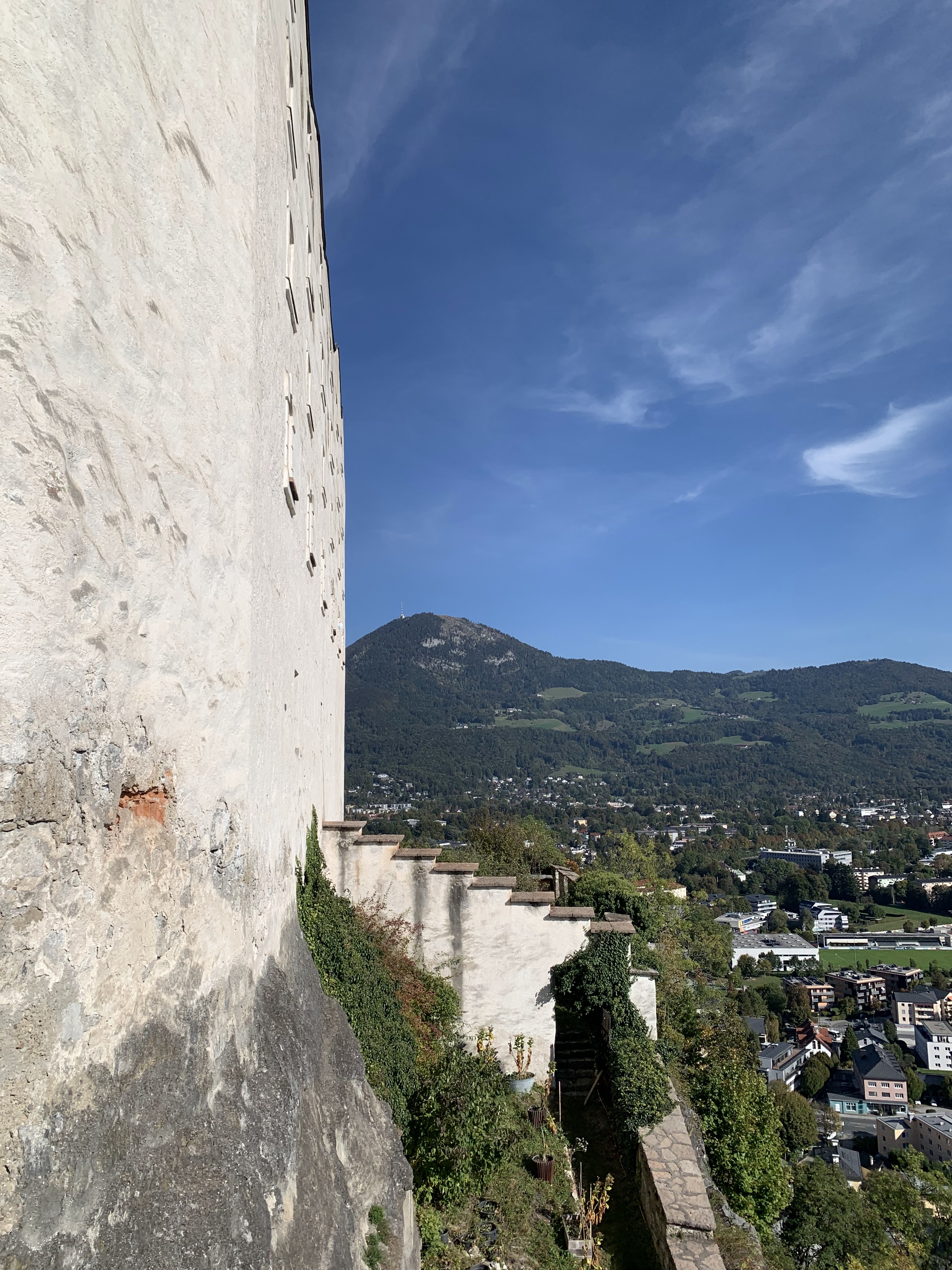
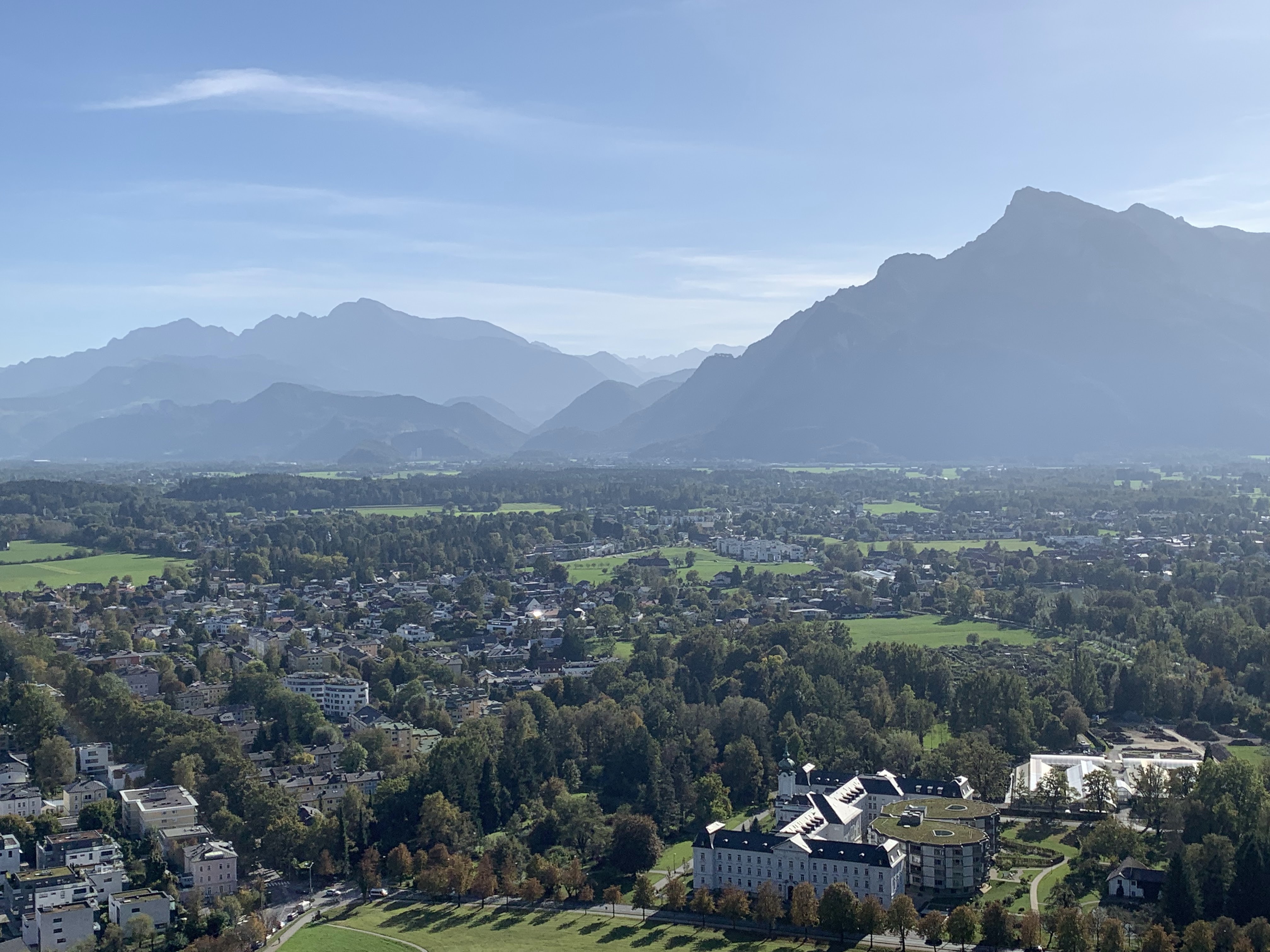
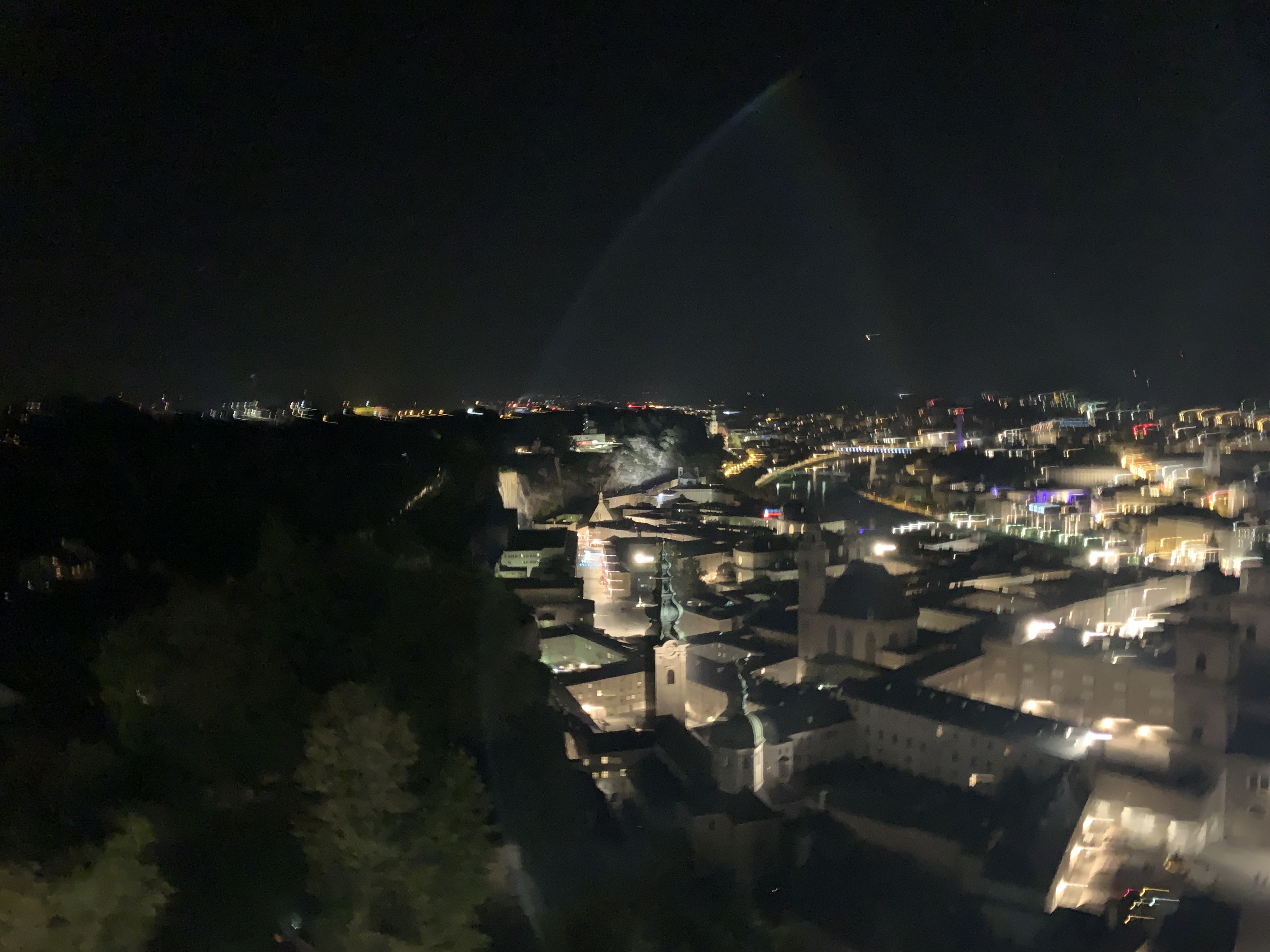
We returned to the fortress as night for a chamber music concert. Again the views over the old city were compelling
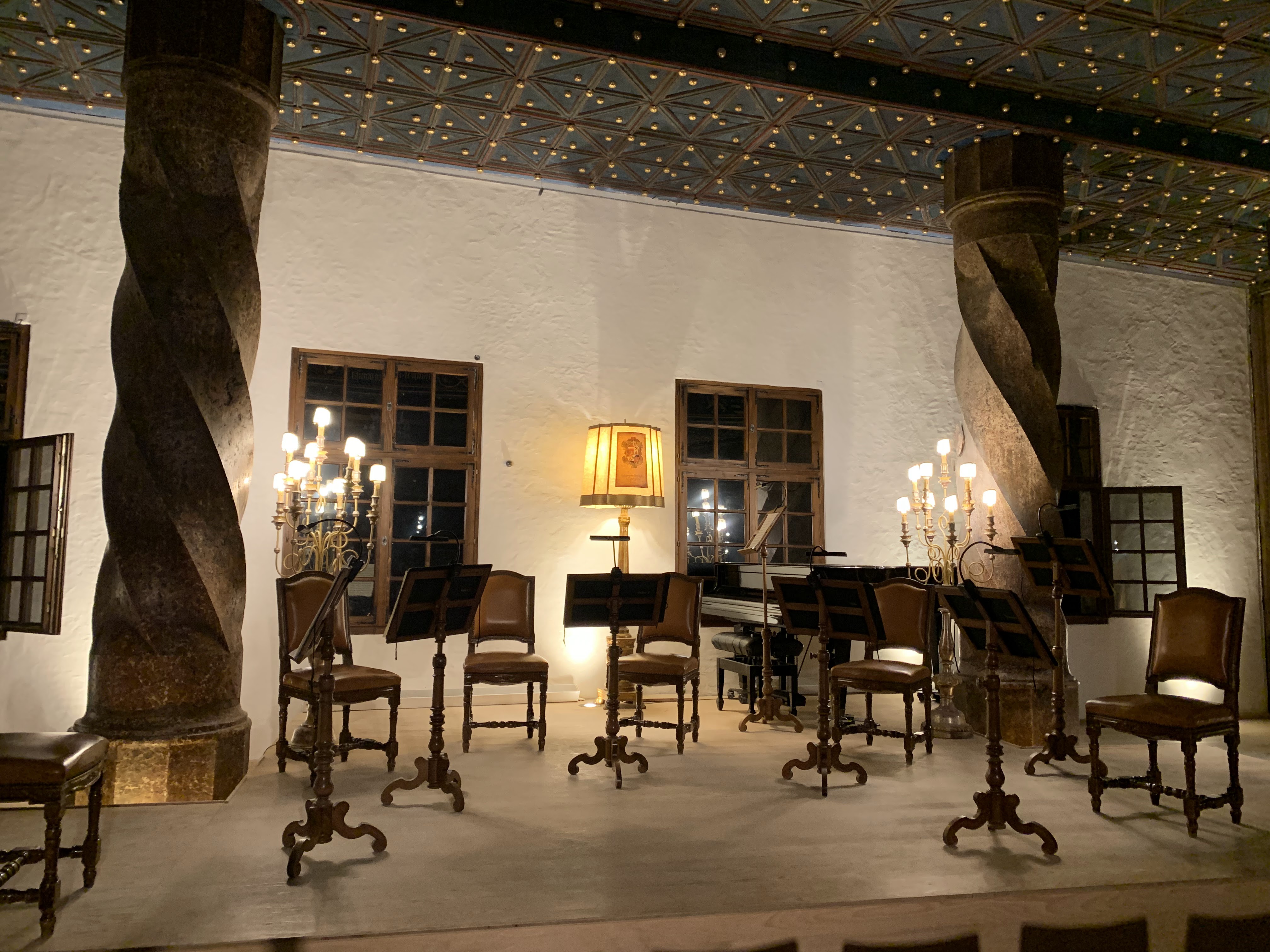
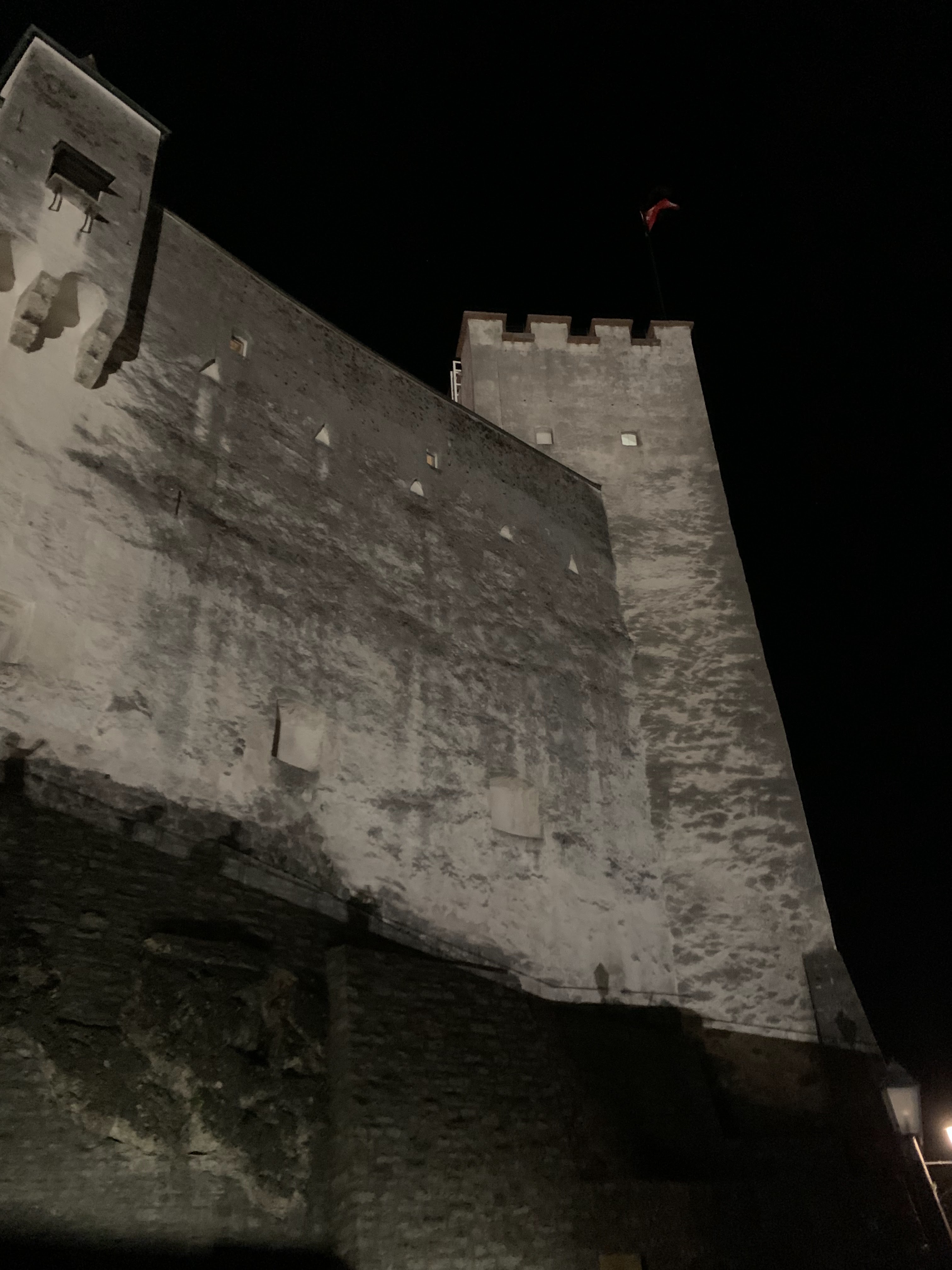
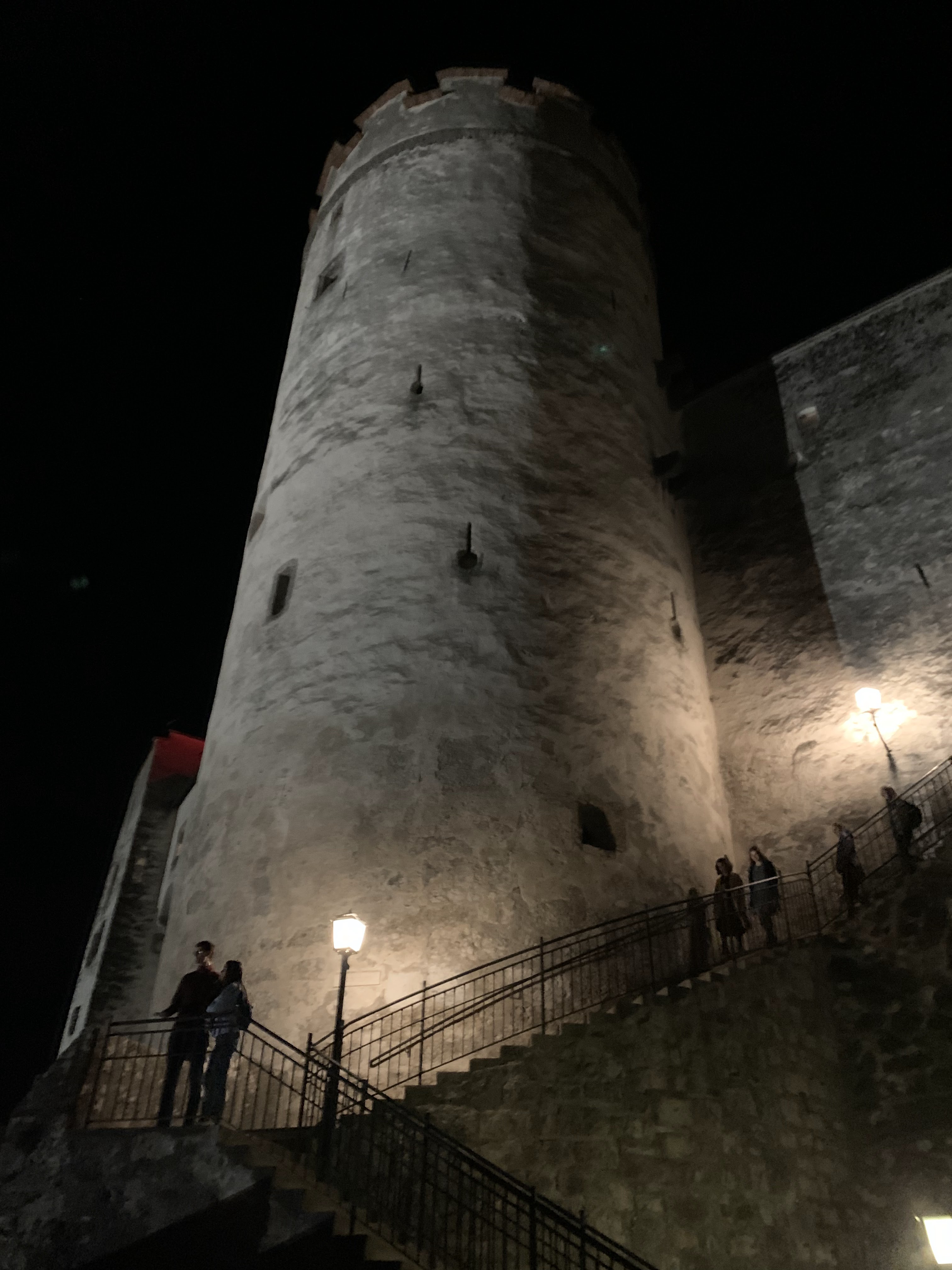


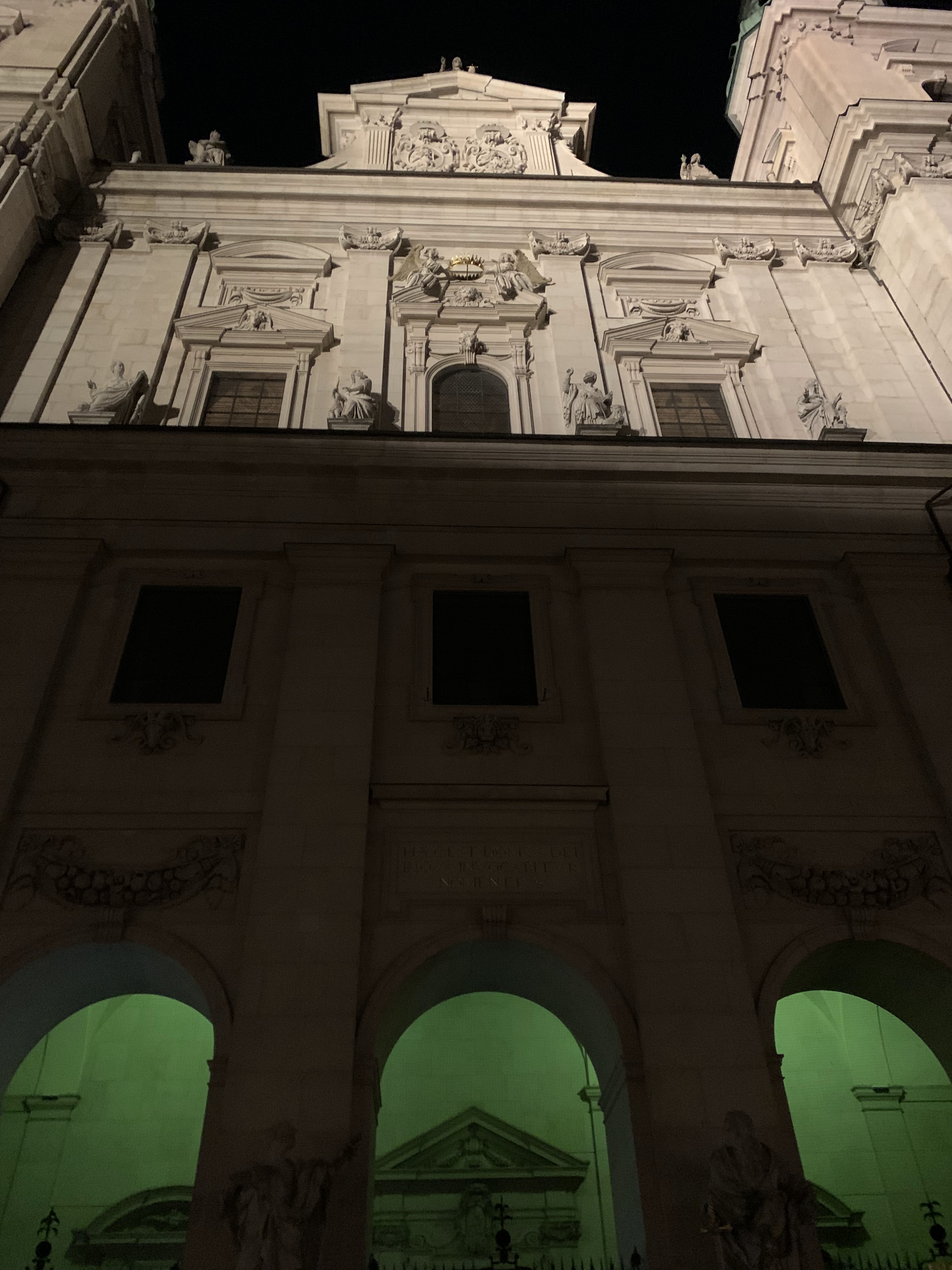
Flying back home tomorrow from this whirlwind tour good to be home soon but also motivation for more travel!
With the tour with Rick Steves being over we are on our own again and I am very thankful that I have an able navigator with me, as I seem to have lost my GPS bearings!
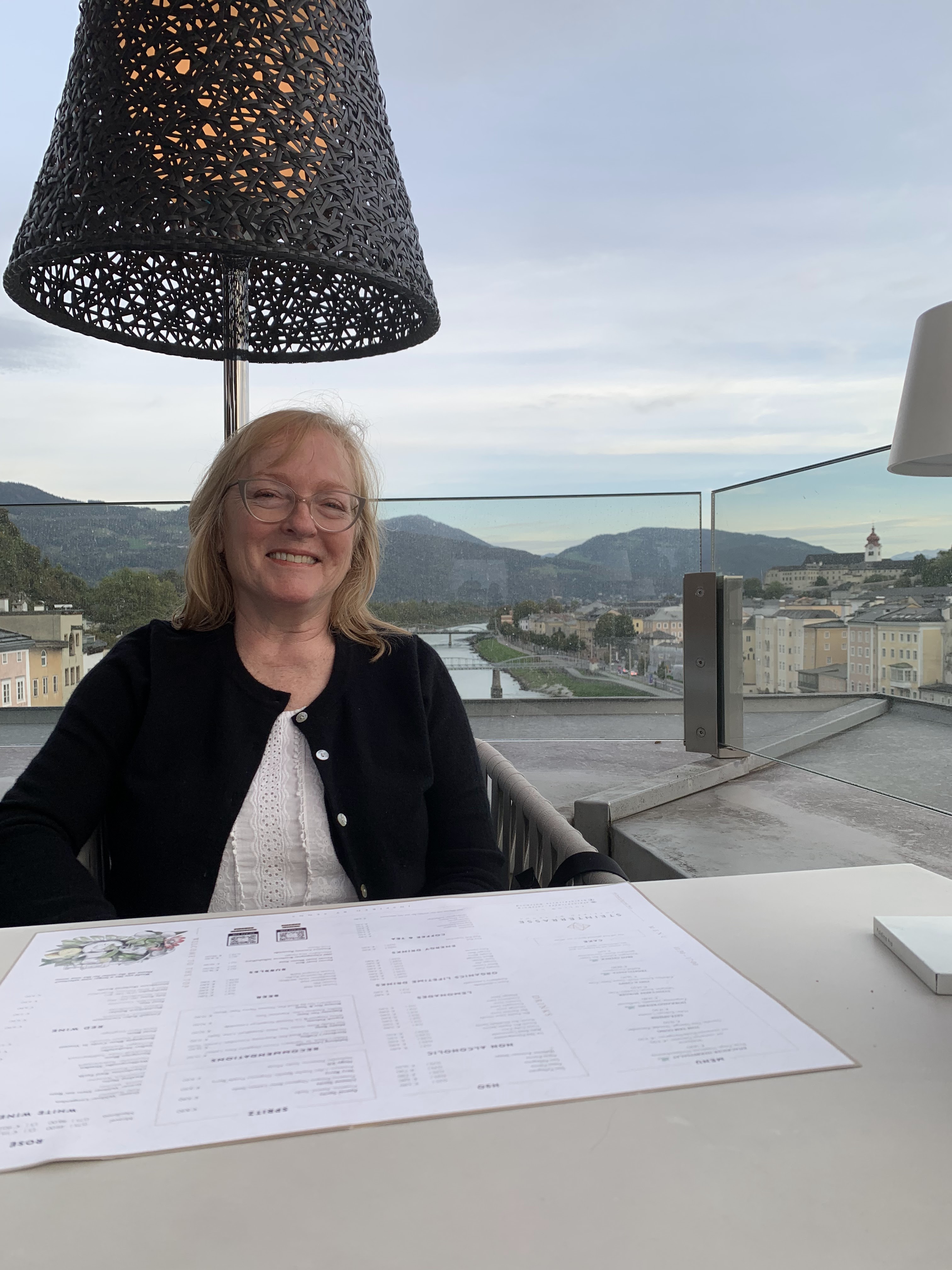
From our Rick Steve’s guide Jana to my Salzburg guide, equallly able to get me there
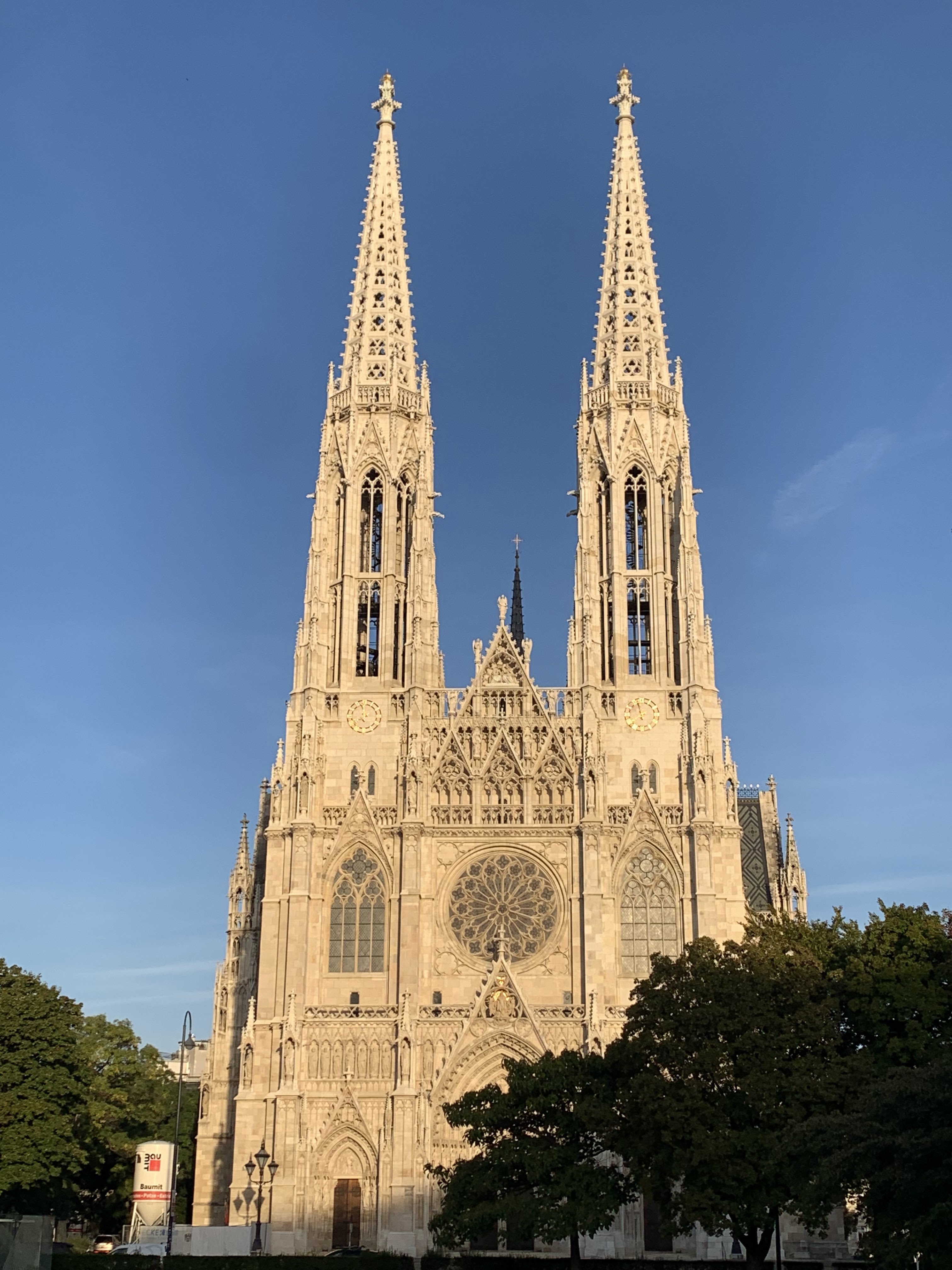
Not Salzburg but Vienna. One more picture, in the morning light of the church near our hotel
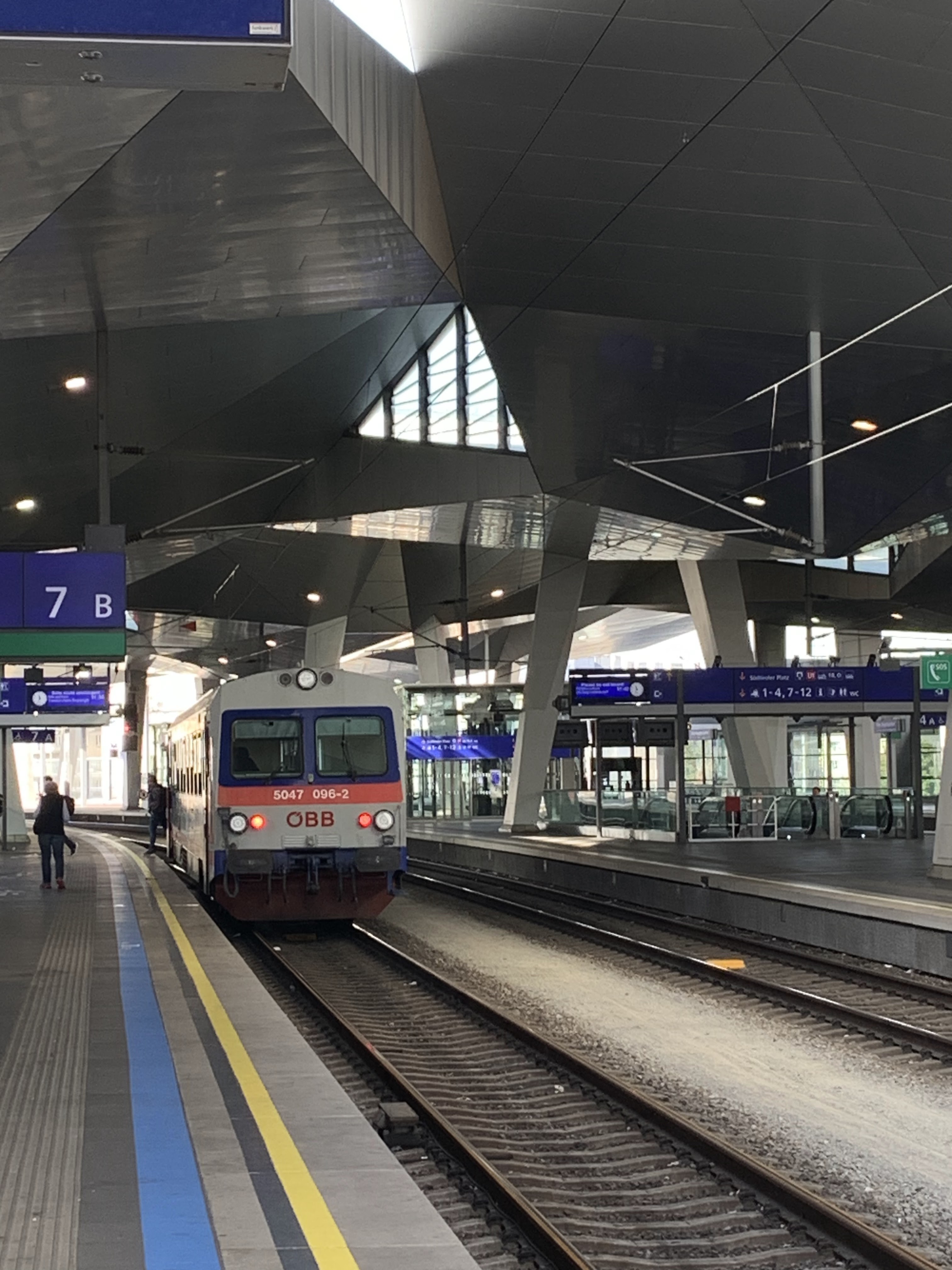

When you travel in Europe the experiences on the tram, subway, and rail travel really impresses. In US, our infrastructure comes up lacking, sorry to say.
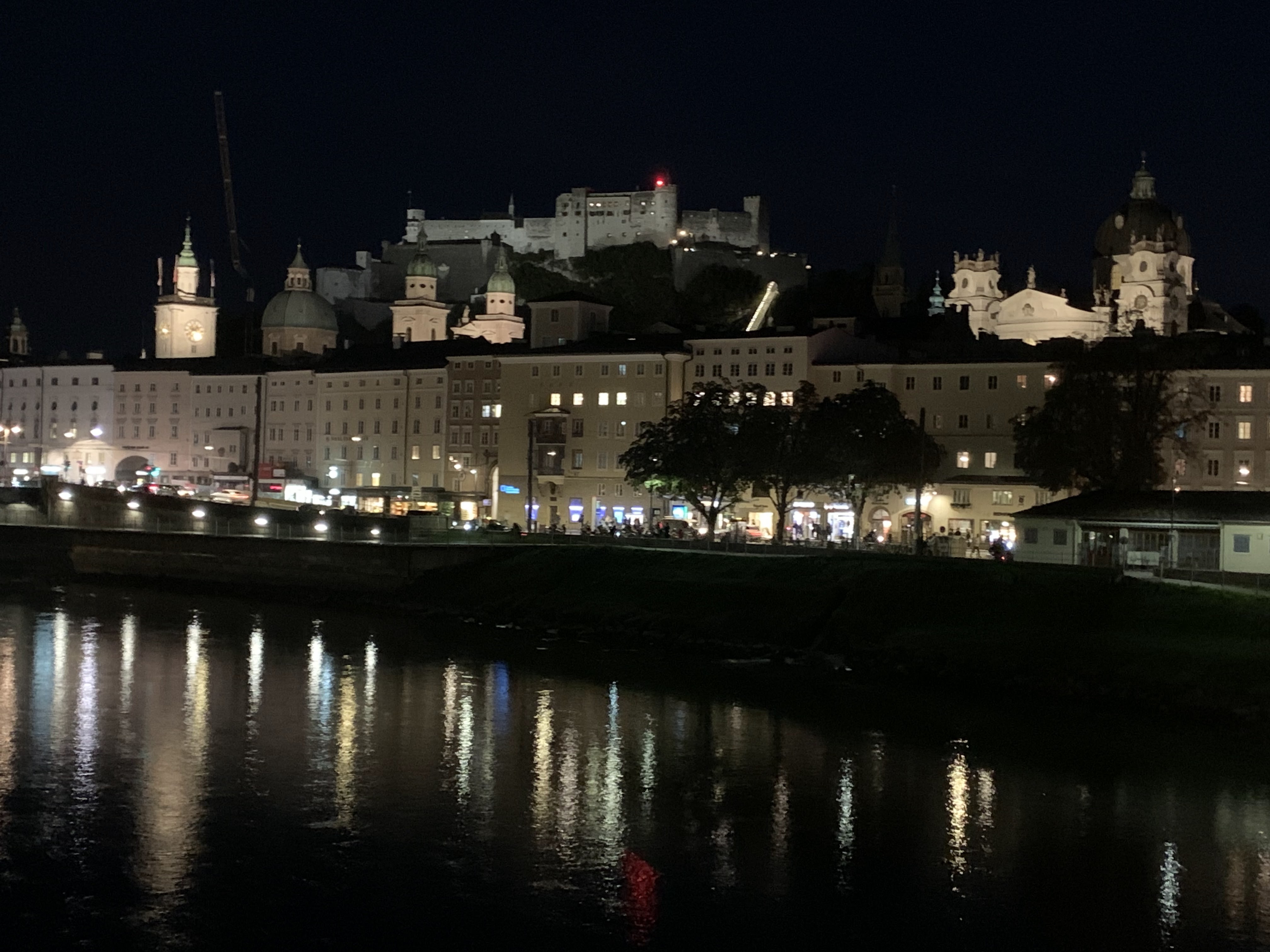
Fortress Hohensalzburg (Festung Hohensalzburg)
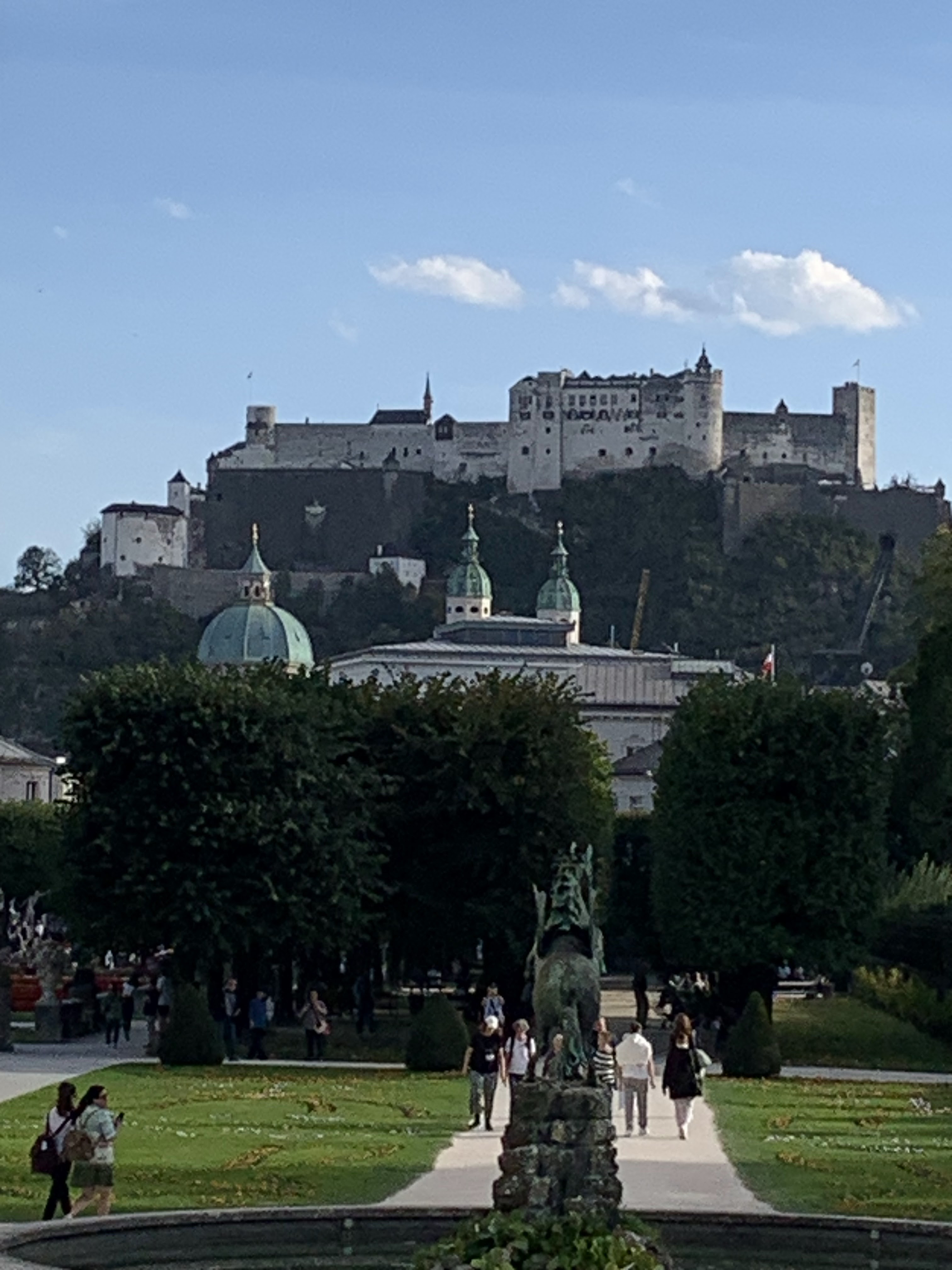
The fortress above the city was literally intergated into the rock it sits atop of.
https://de.wikipedia.org/wiki/Festung_Hohensalzburg
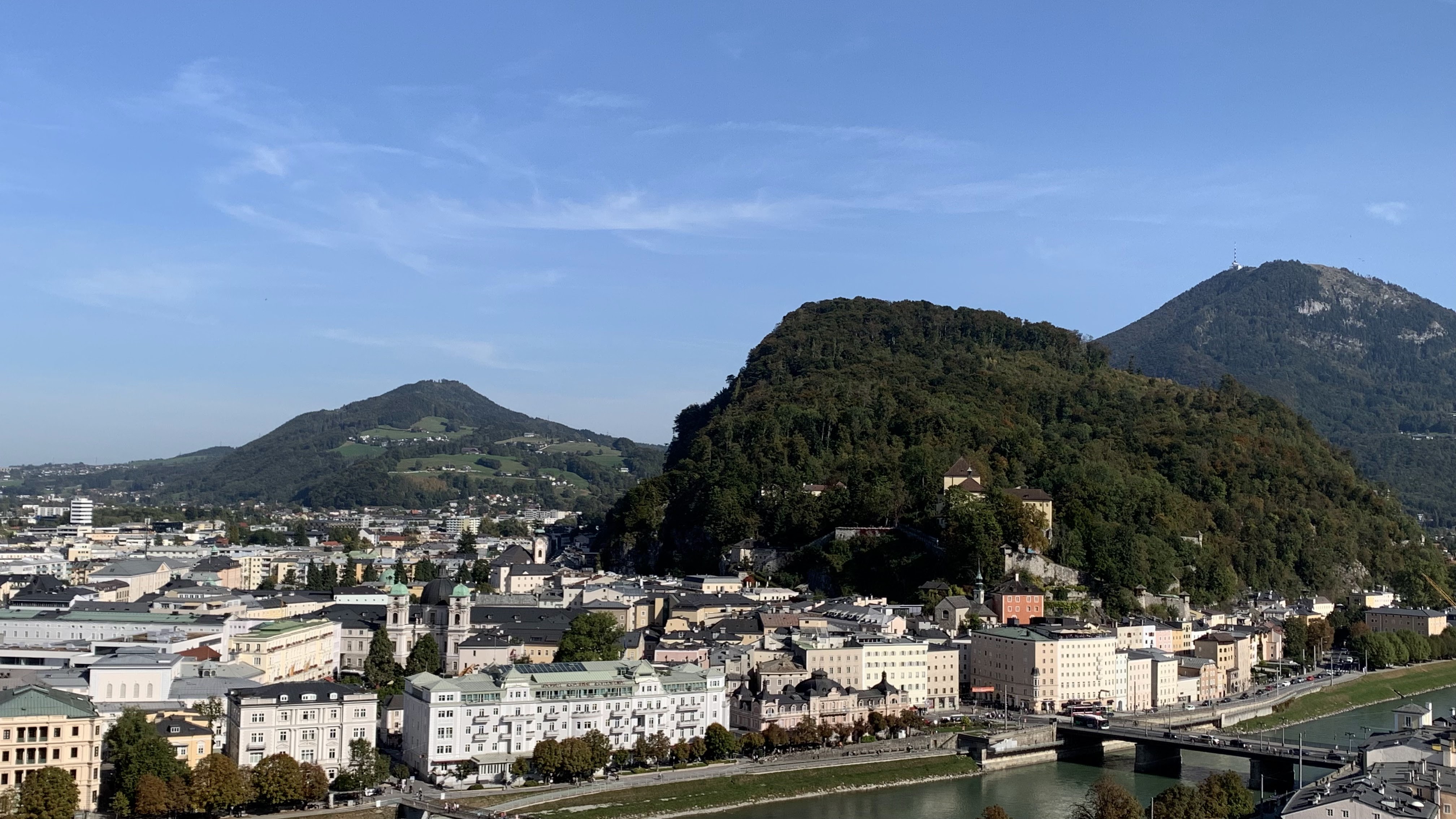
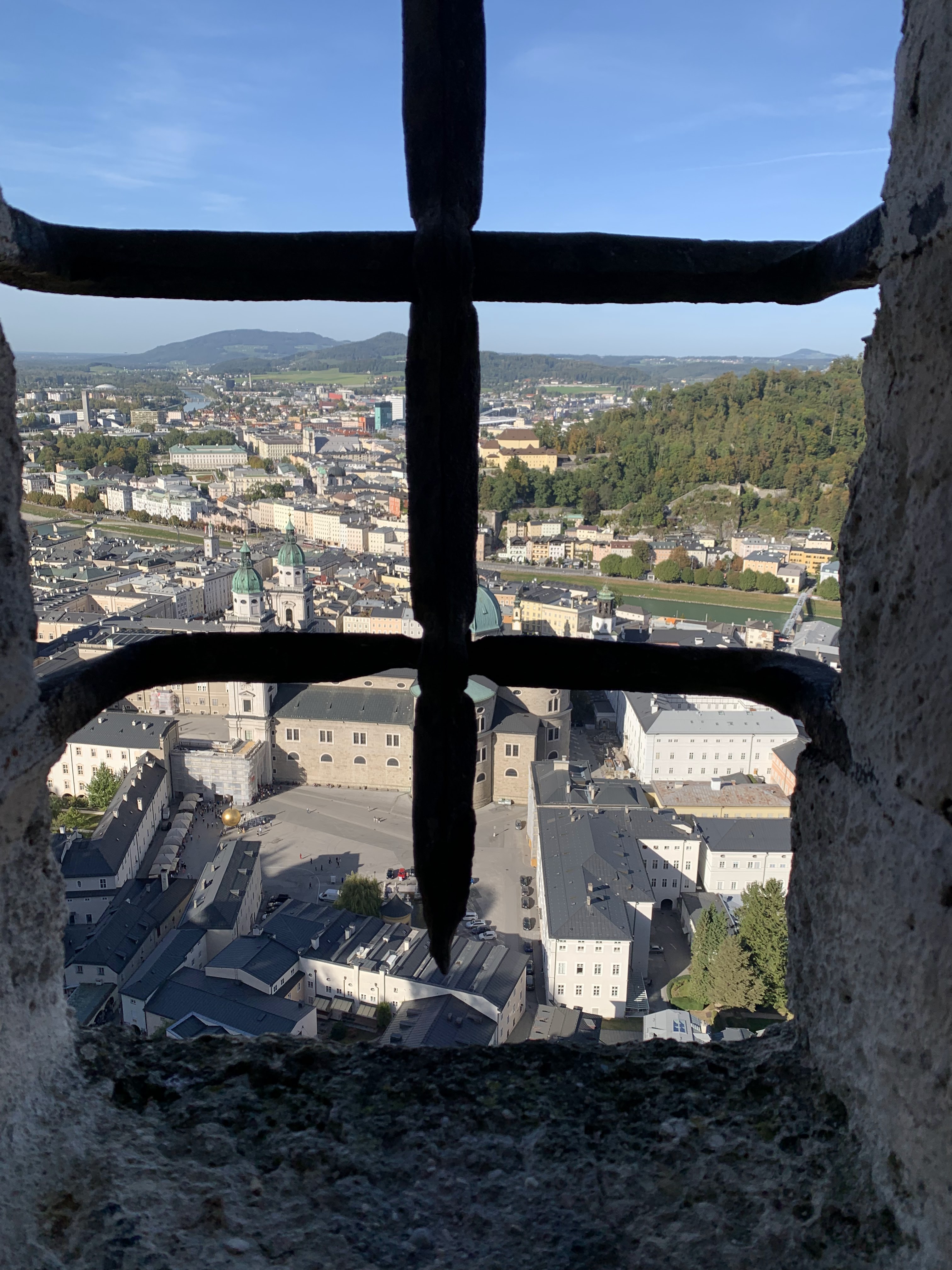
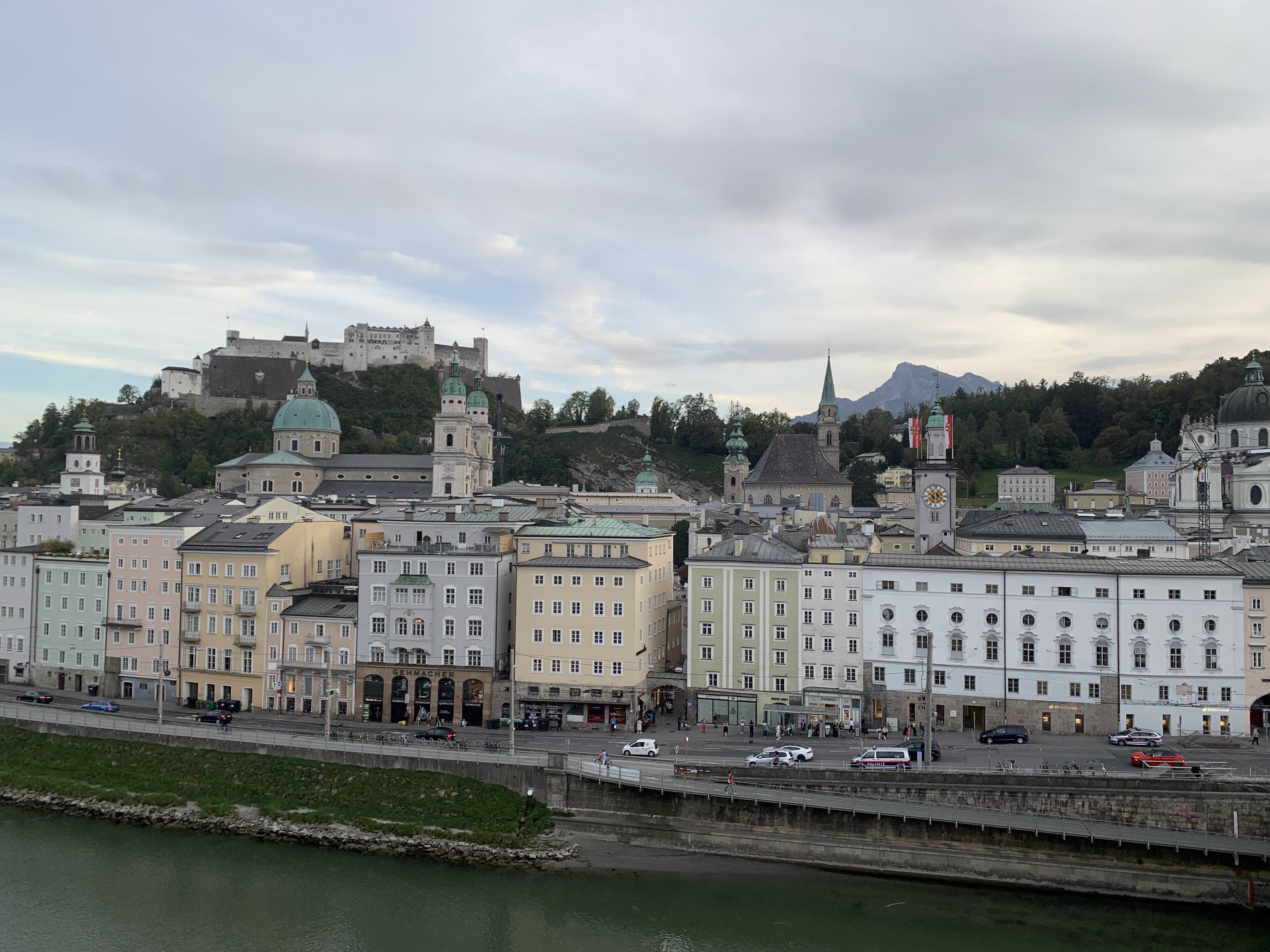
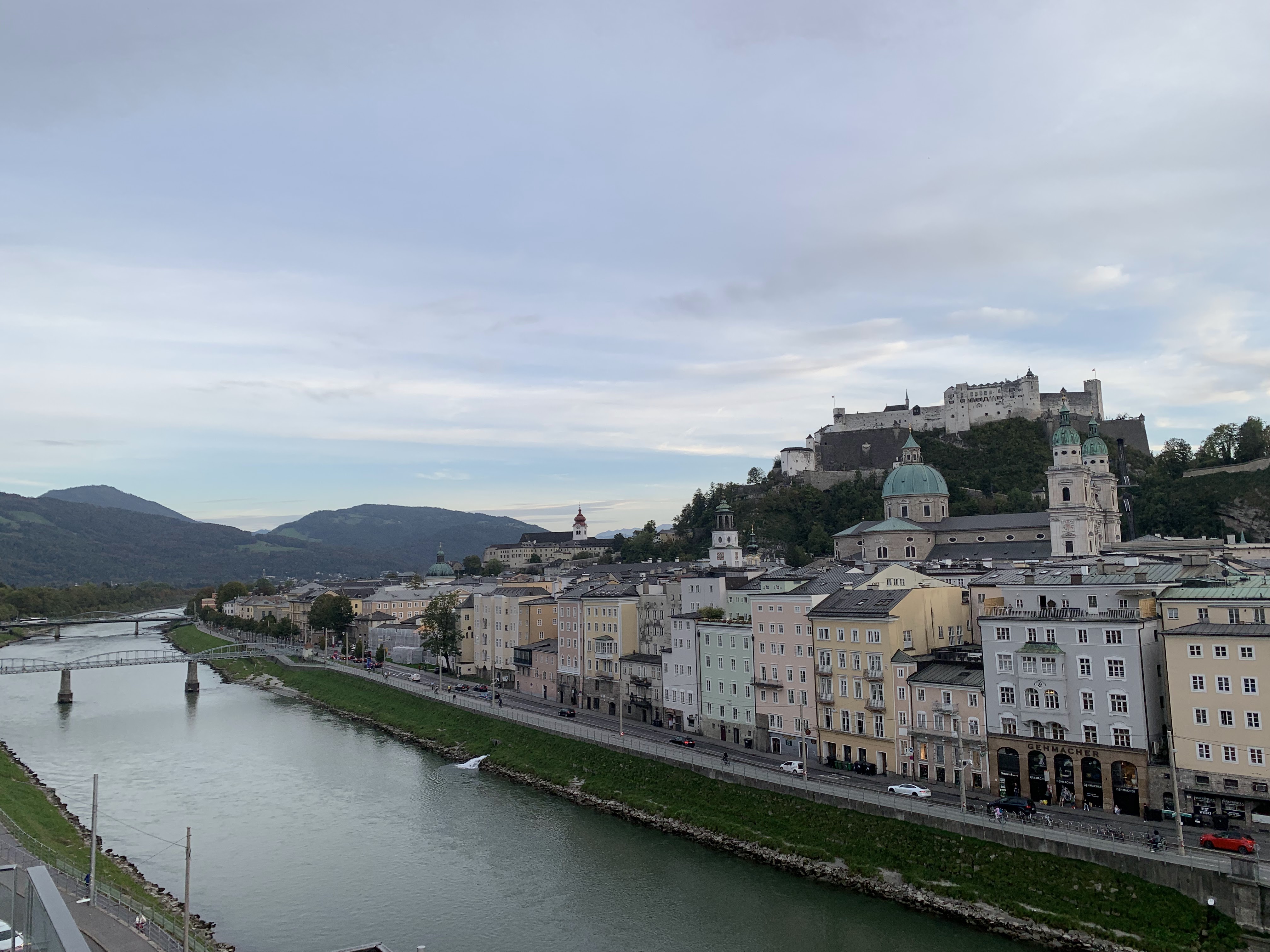
Looking back on what is referred to as the old part of the city.
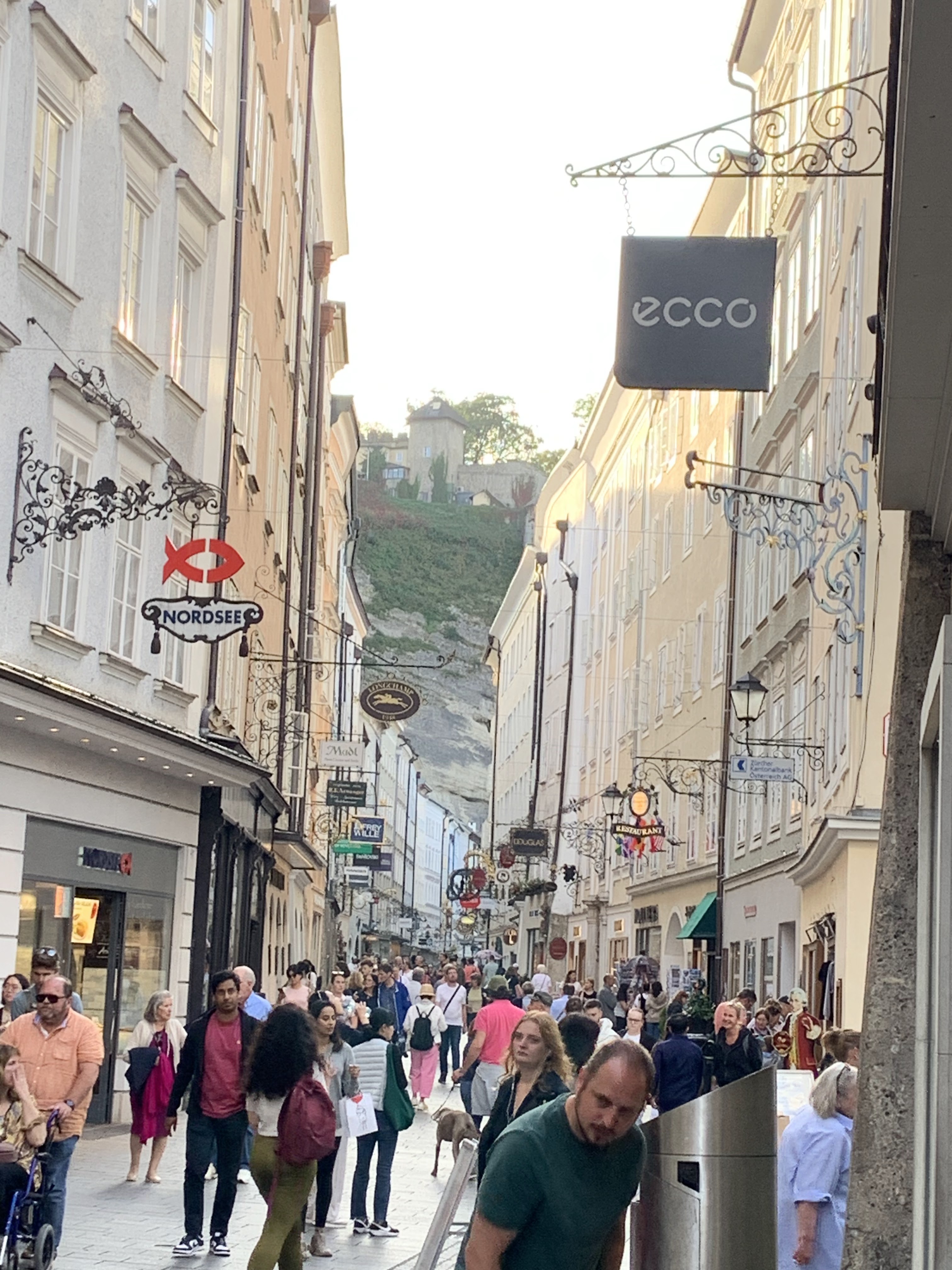
Our walk around old town with it’s narrow streets and shops, many of them not around in the old times, like Fendi and Prada. You see a lot of well to do travelers in these parts for sure.
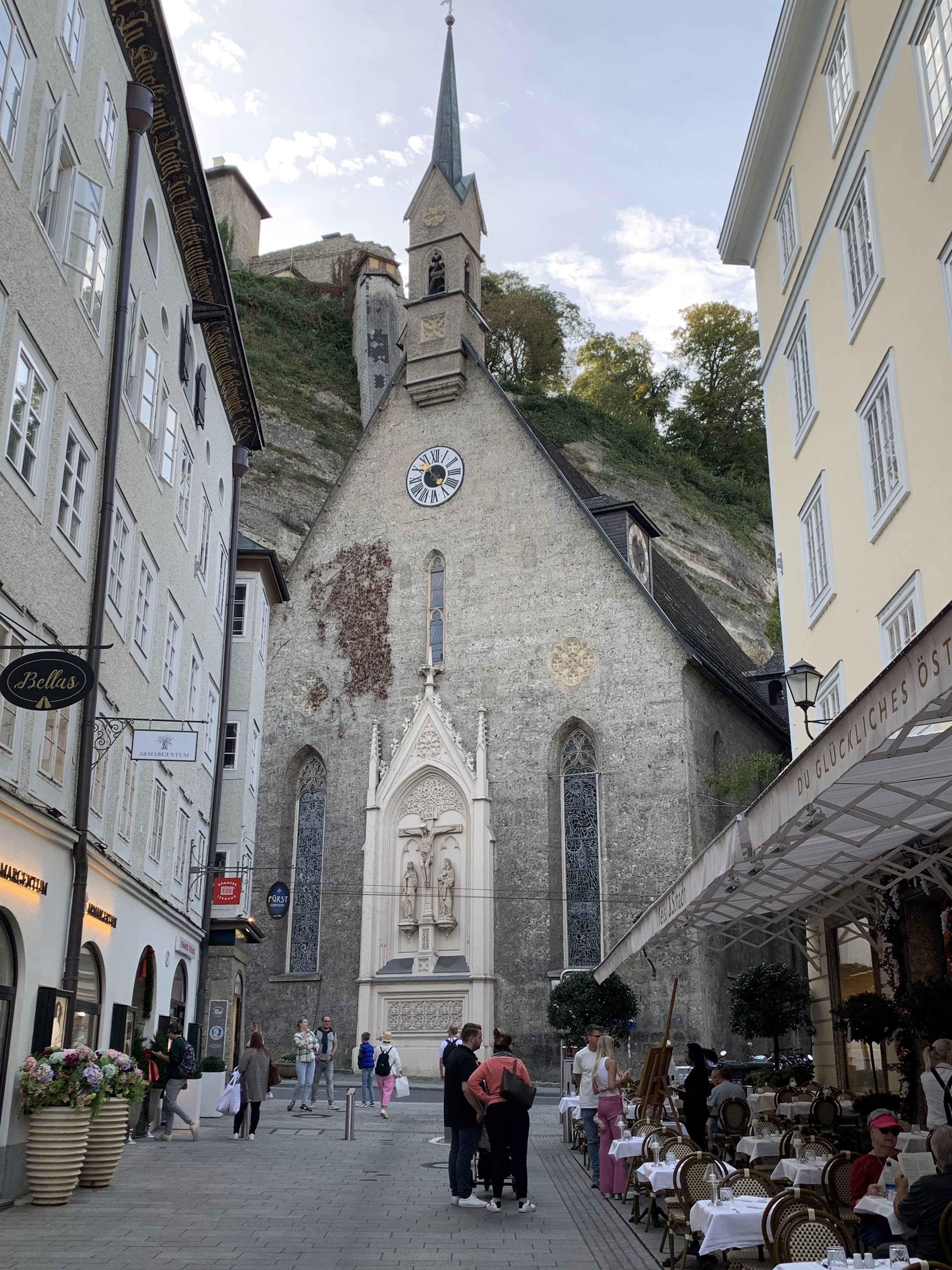
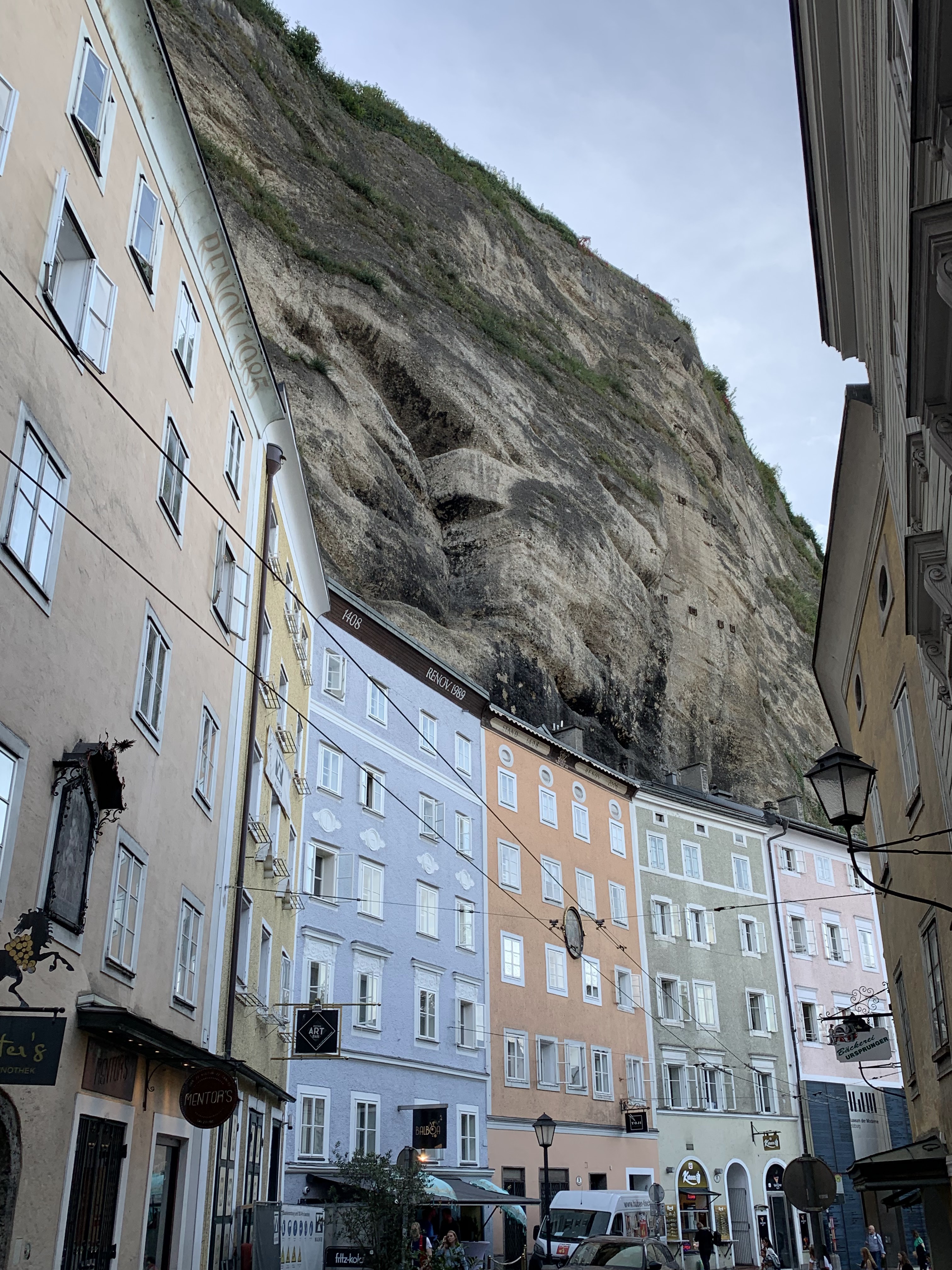
These buildings, one of which was the home of Mozart, extend back into the rock wall, a solid foundation for sure. By the way I did not know that Mozart was composing music at the age of 6.
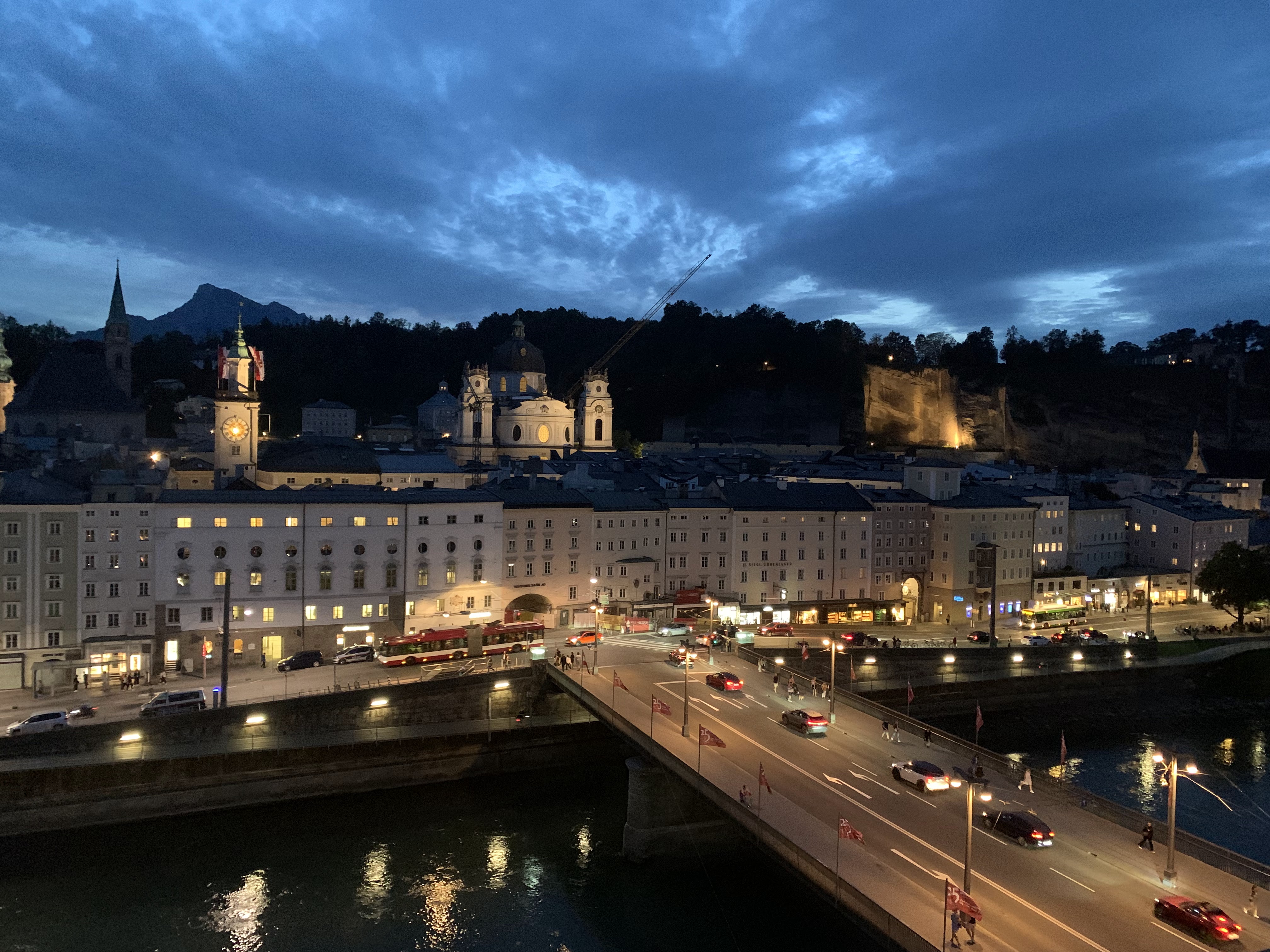
Old town at dusk
We went to a chamber music recital last night in the Mirabel Palace
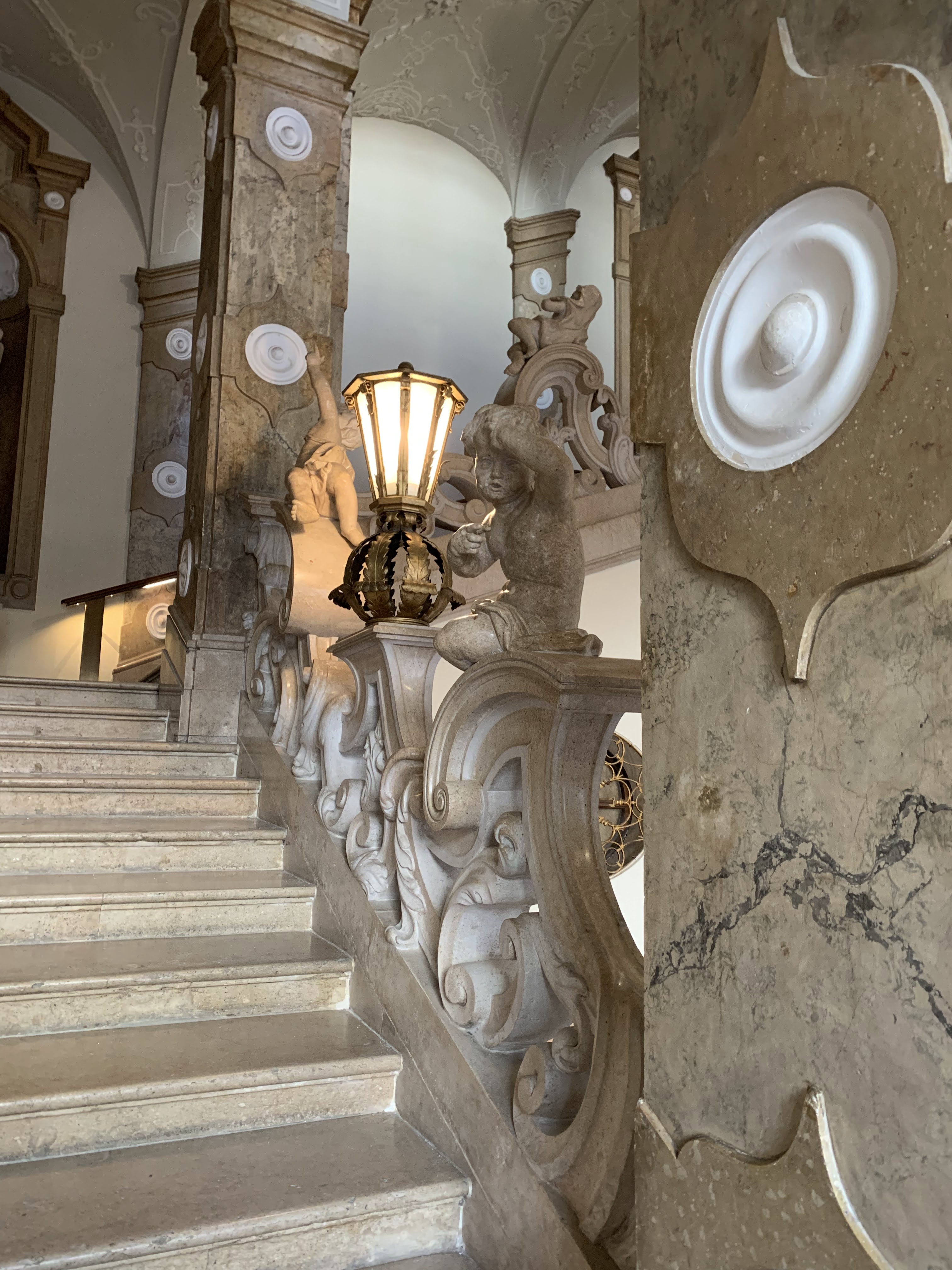
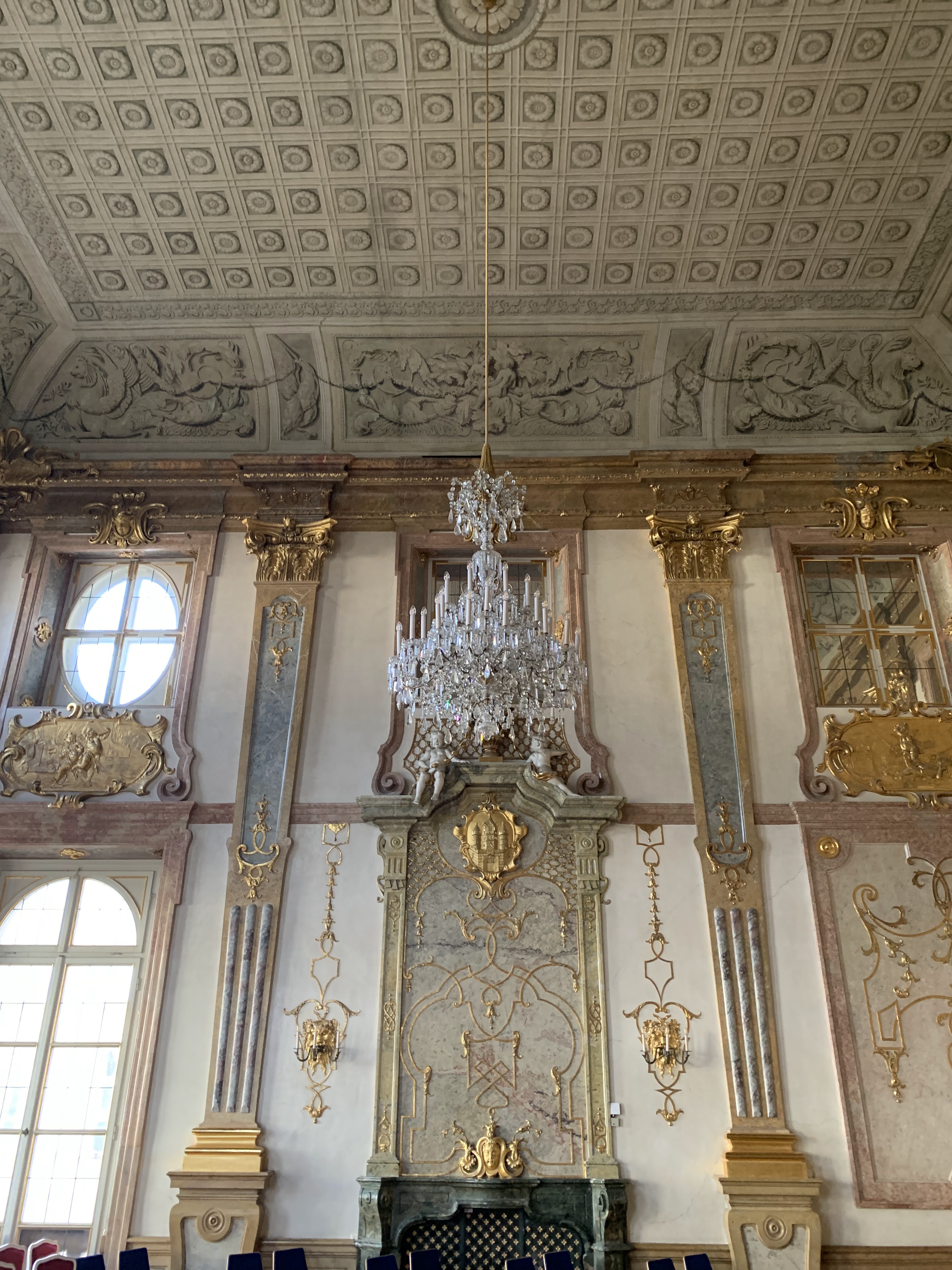
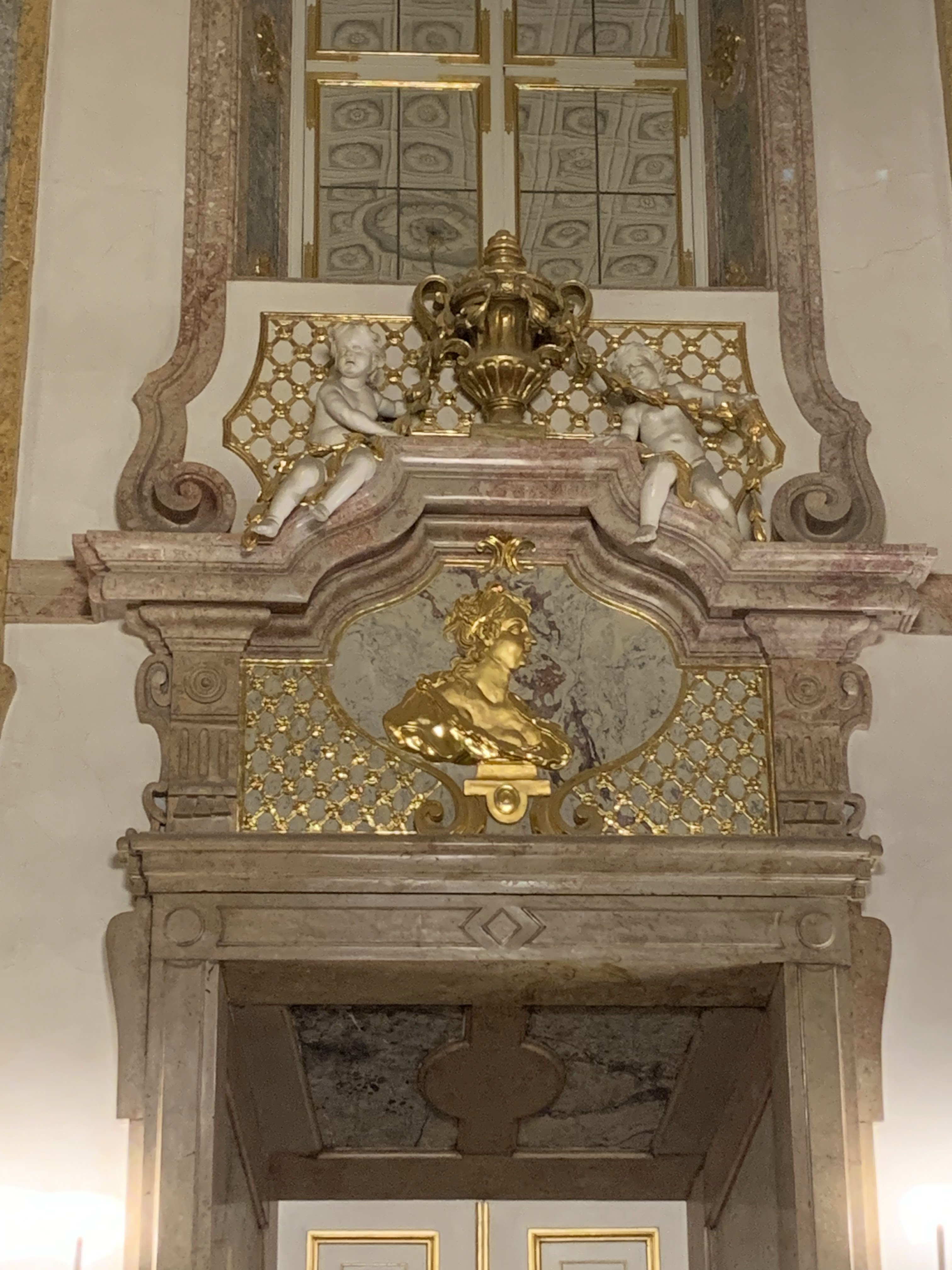
The music was mostly a selection of Mozart’s compositions, which he himself played in this very hall.
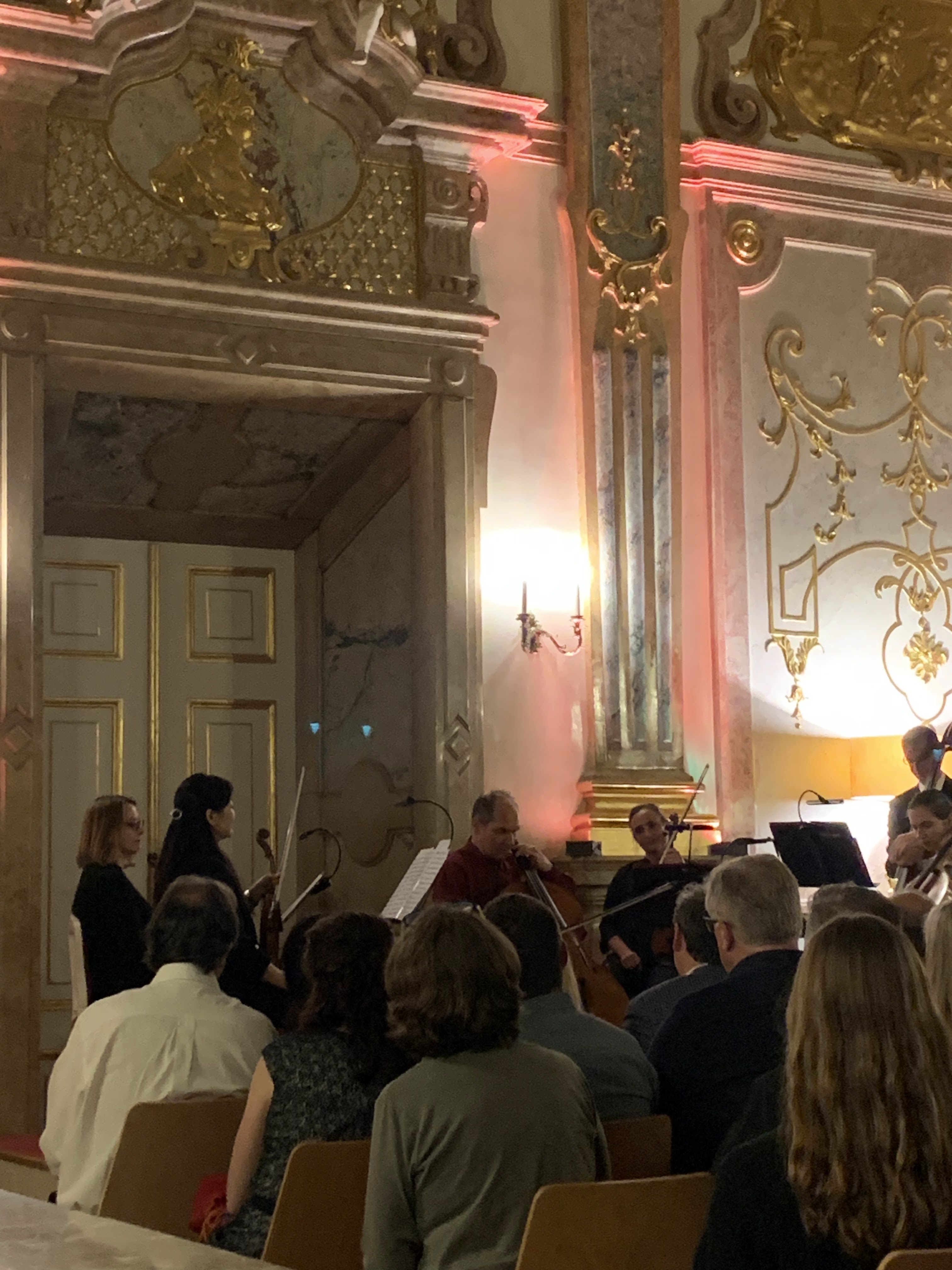
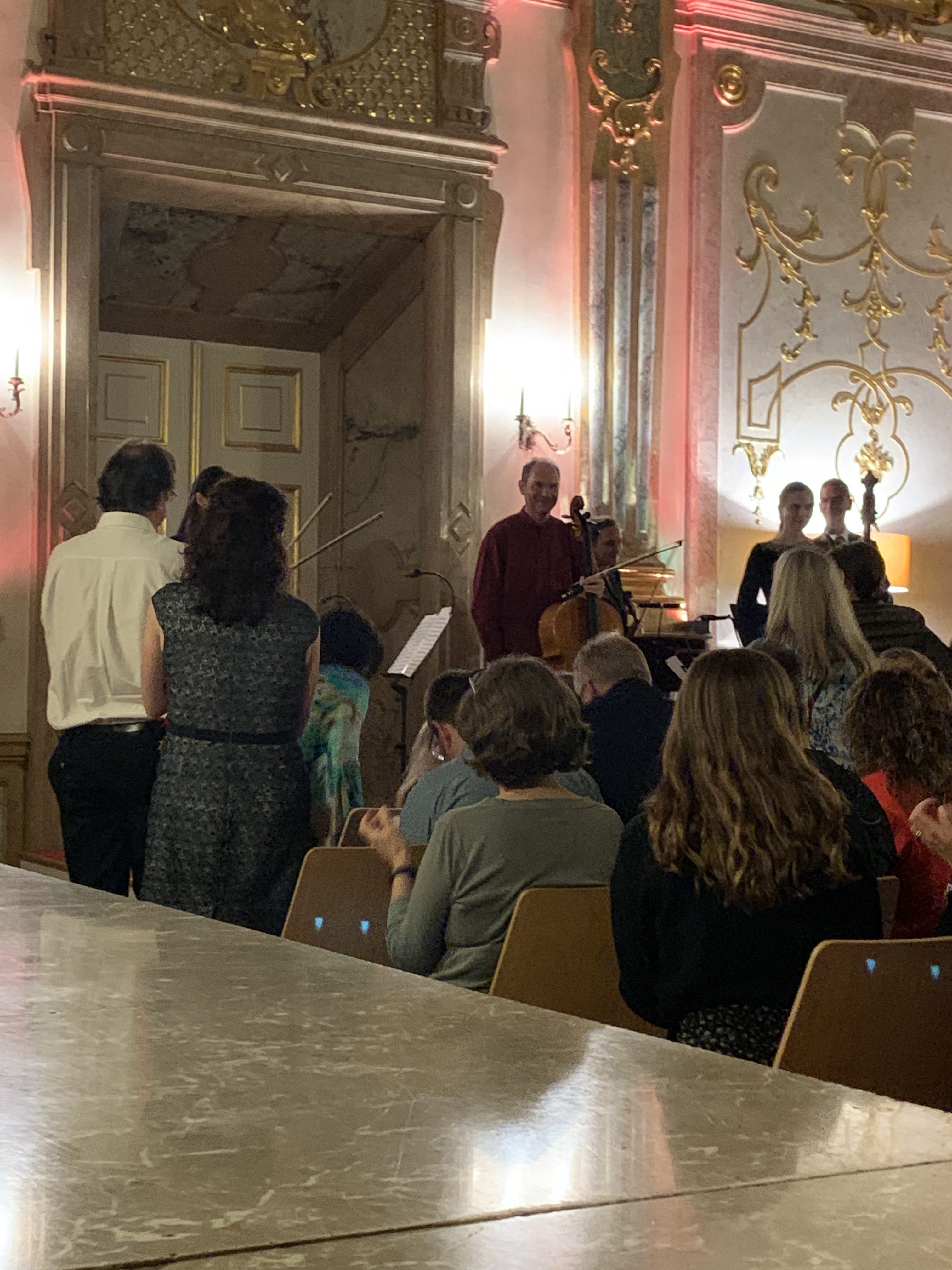
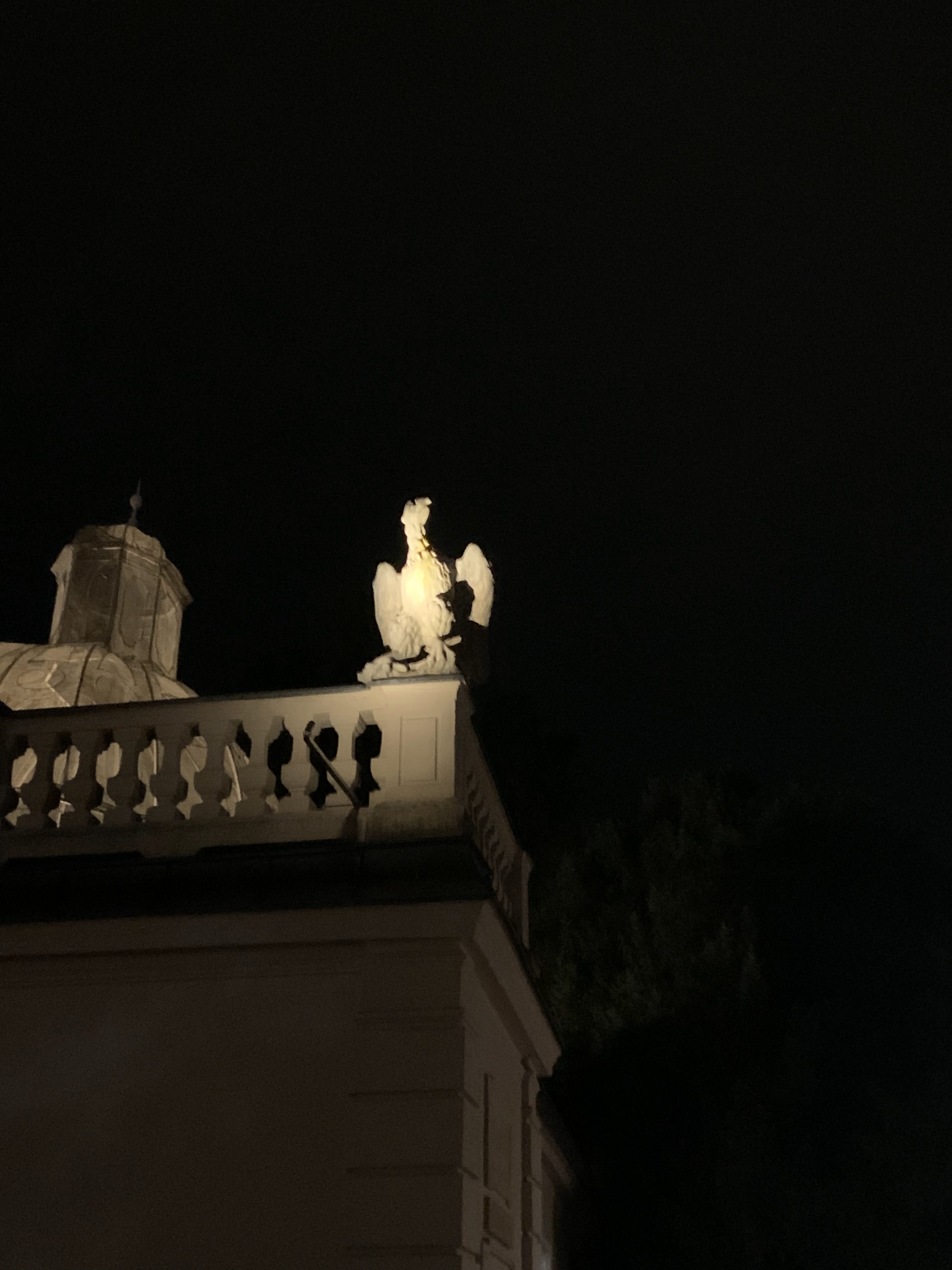
After the concert we strolled through the park, attached to the grounds of the Mirabell Castle. Beautiful balmy evening. The weather has been very nice for us on this trip.
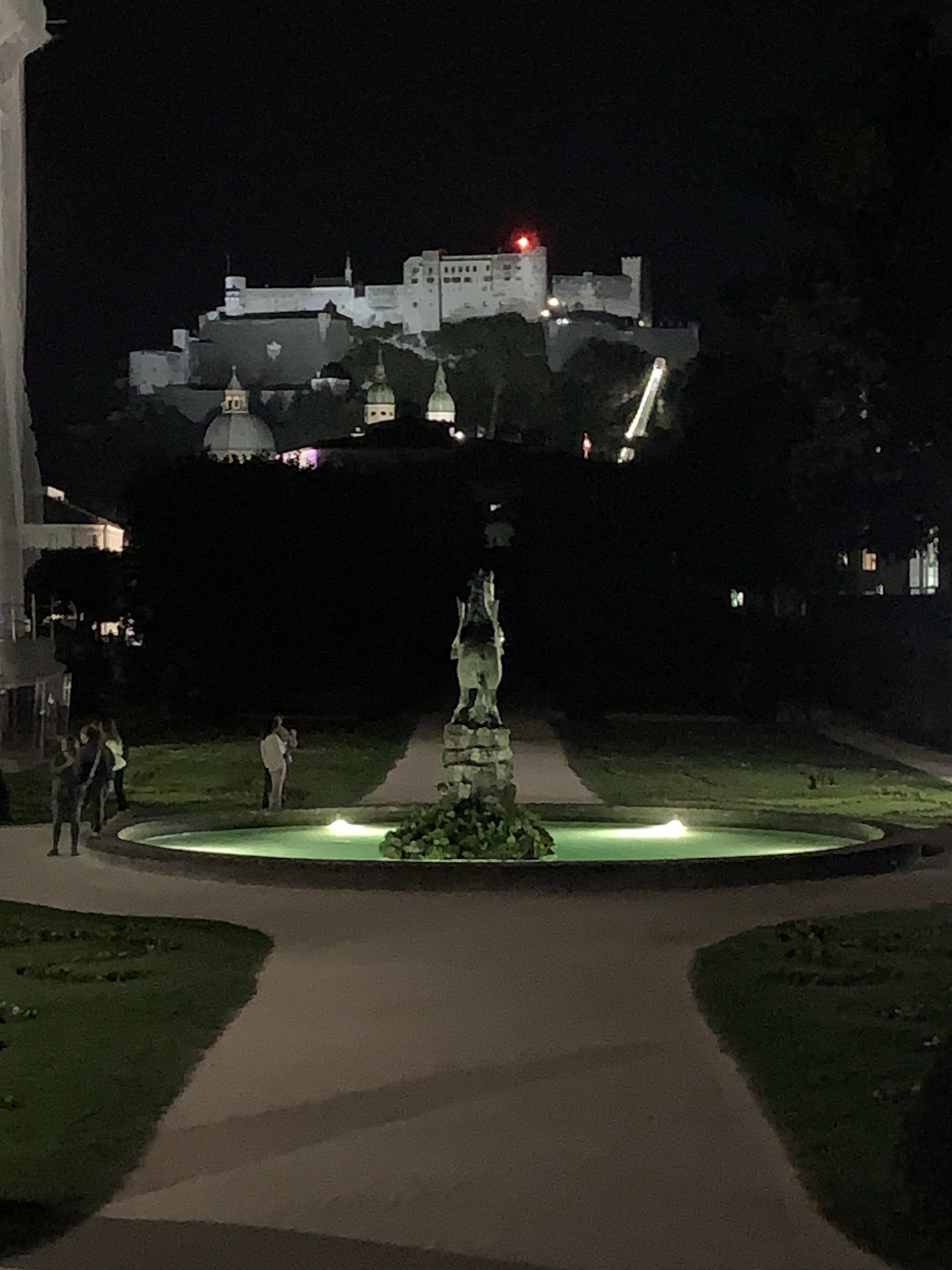
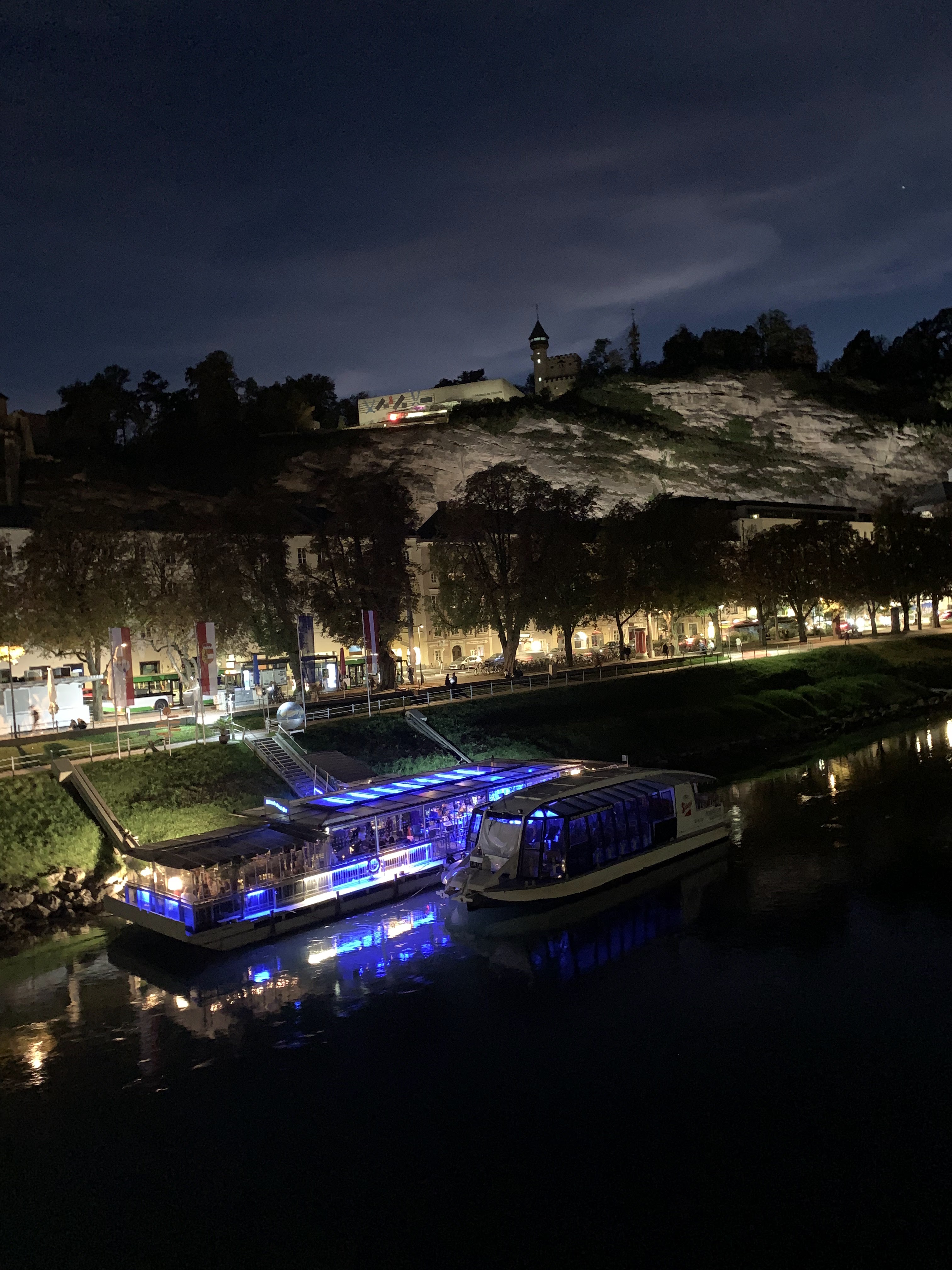
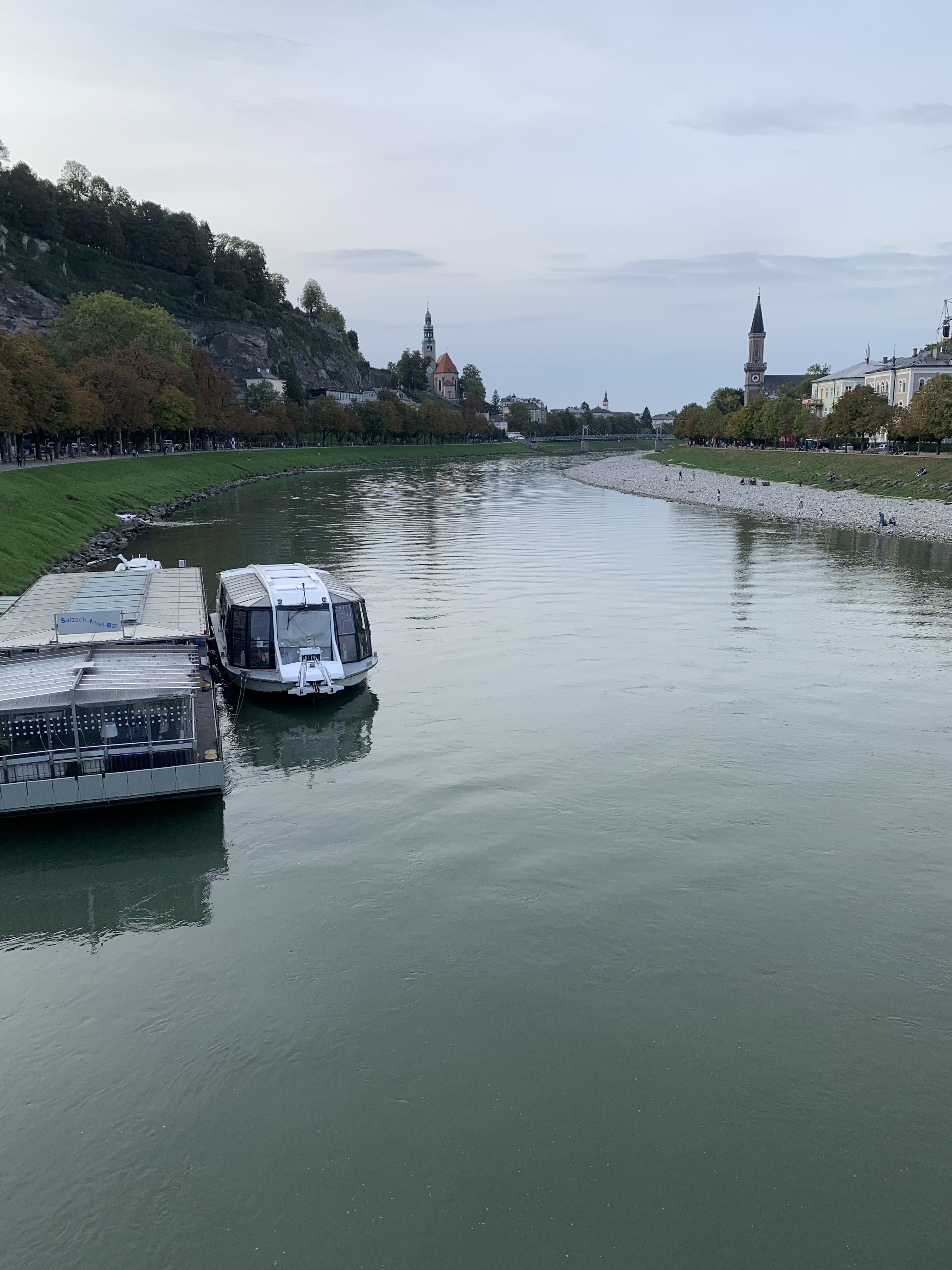
The Salzach River goes through the city

Jana was our guide and she was exceptional She is Czech, in the middle kneeling, with long blond hair
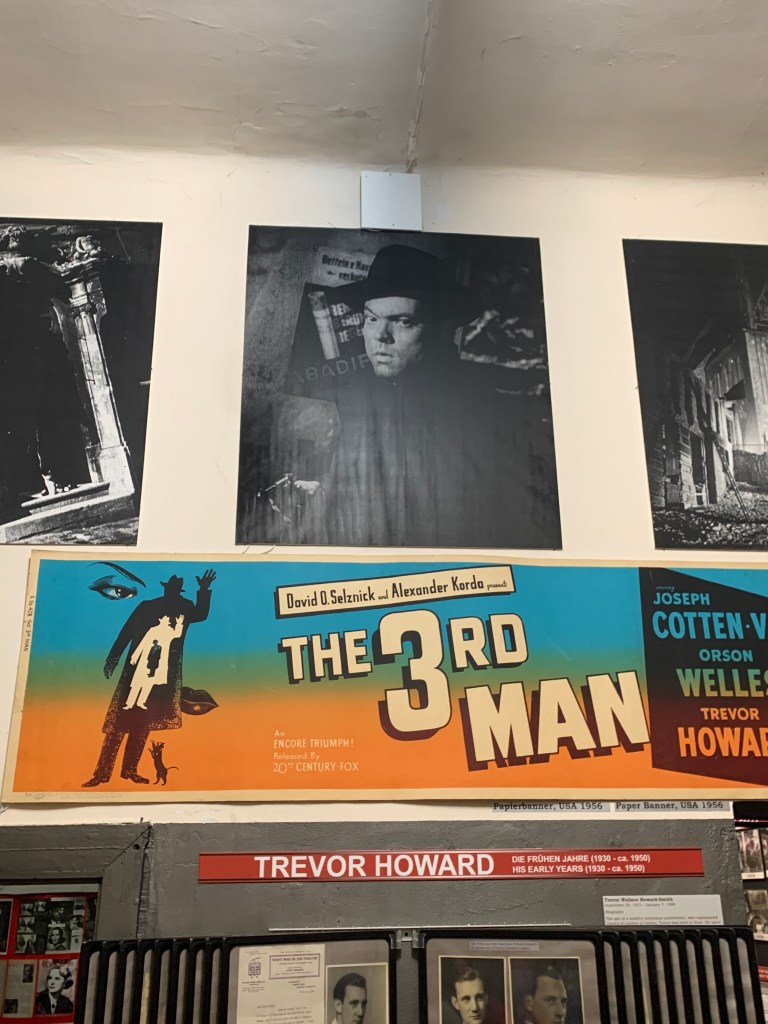
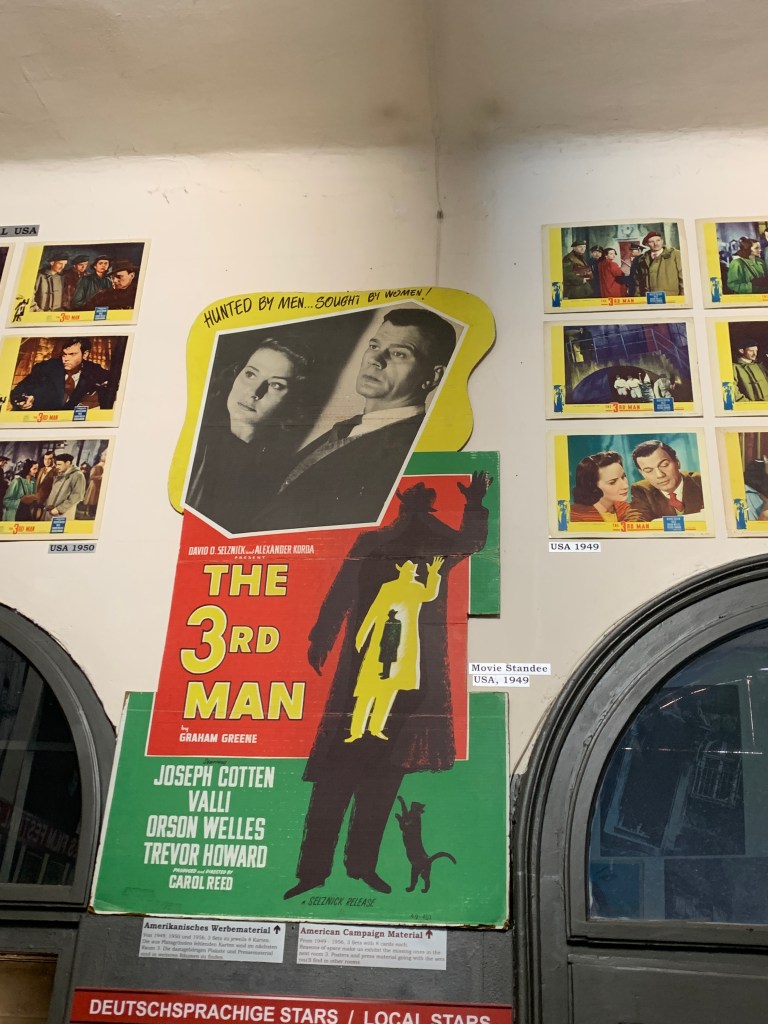
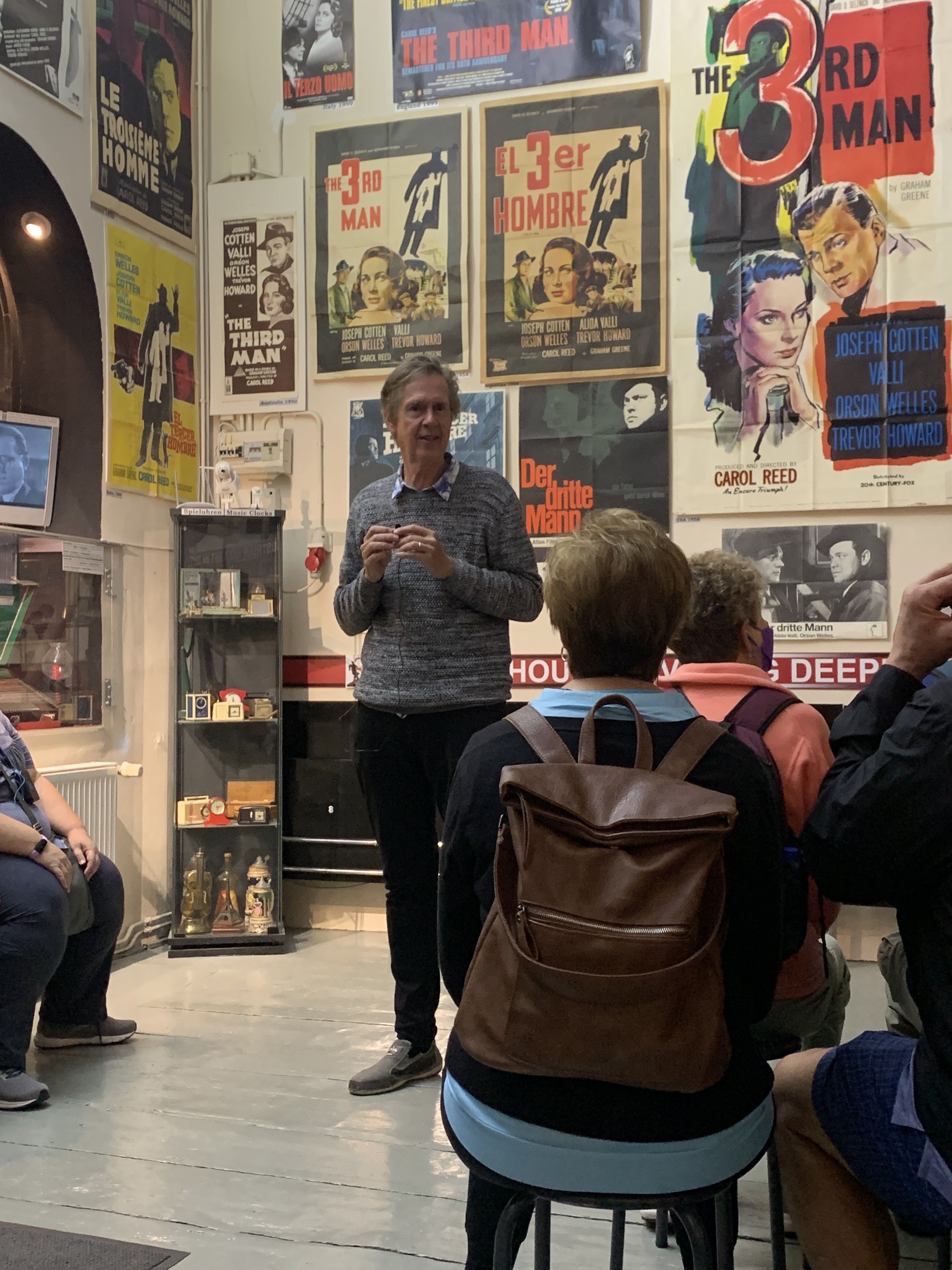
Today we visited this museum opened especially for us by the creator Gerhard Strassgschwandtner ( there’s a name for you!) The film Noir picture The Third Man, was the hook, if you will, and well documented in the museum. What Gerhard wanted to highlight through the film is the atrocities unleashed on the Jews, as Hitler co-opted the country, and set loose anti-Semitic hate. The Third Man was set in the post world war 2 period and served as a backdrop to the rest of the museum’s documentation of the allied defeat of Germany, the bombing of Vienna, and the post war jockeying for partitioning the country up among our erstwhile ally, the Russians. Gerhard and his wife built up the museum over a 26 year span and it is truly a remarkable gem of a museum.


Gerard explaining the allies partioning of Austria after Germany’s defeat
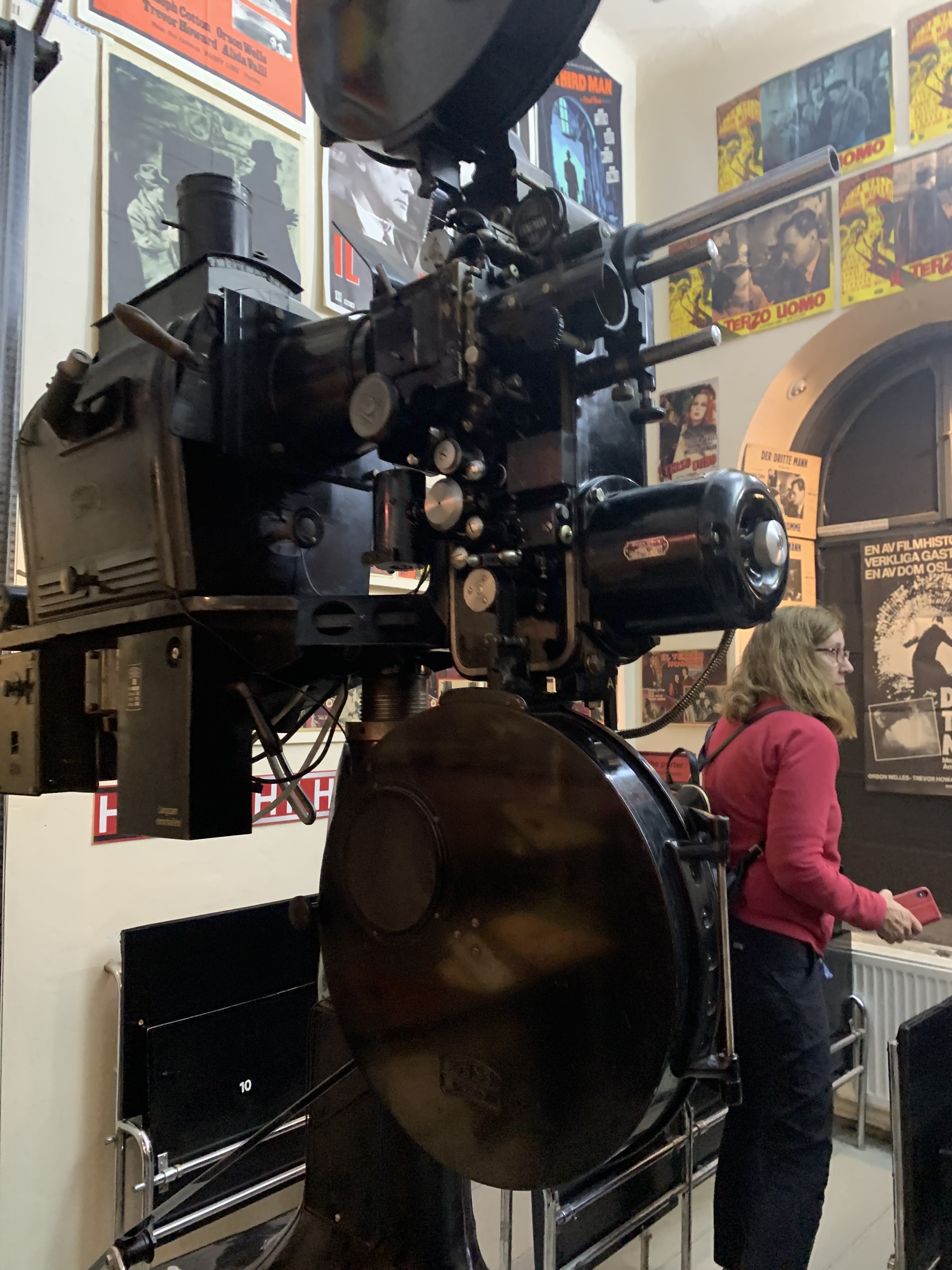
This Zeiss film projector is in working order and Gerard showed a brief excerpt from the film to us.
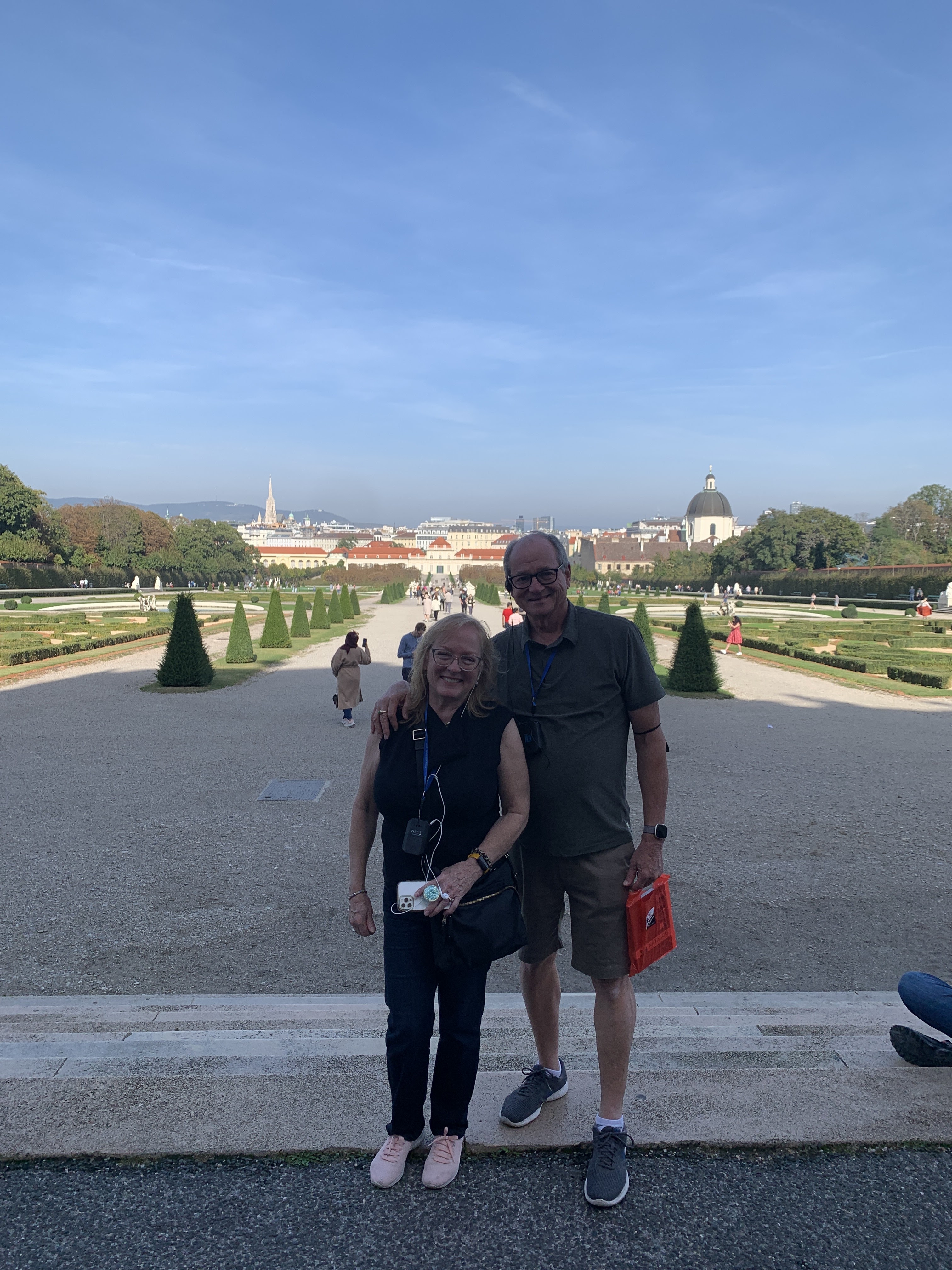
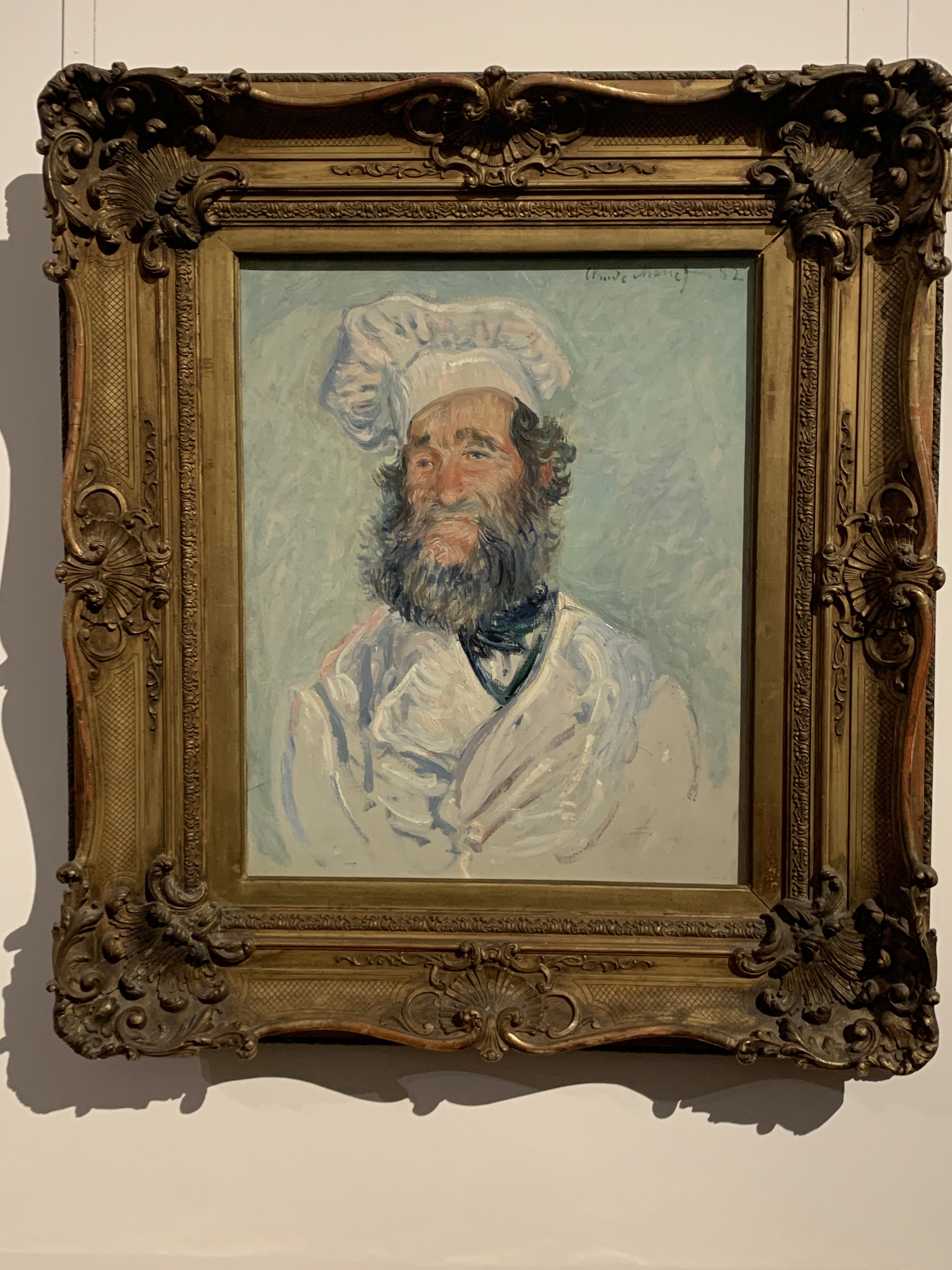
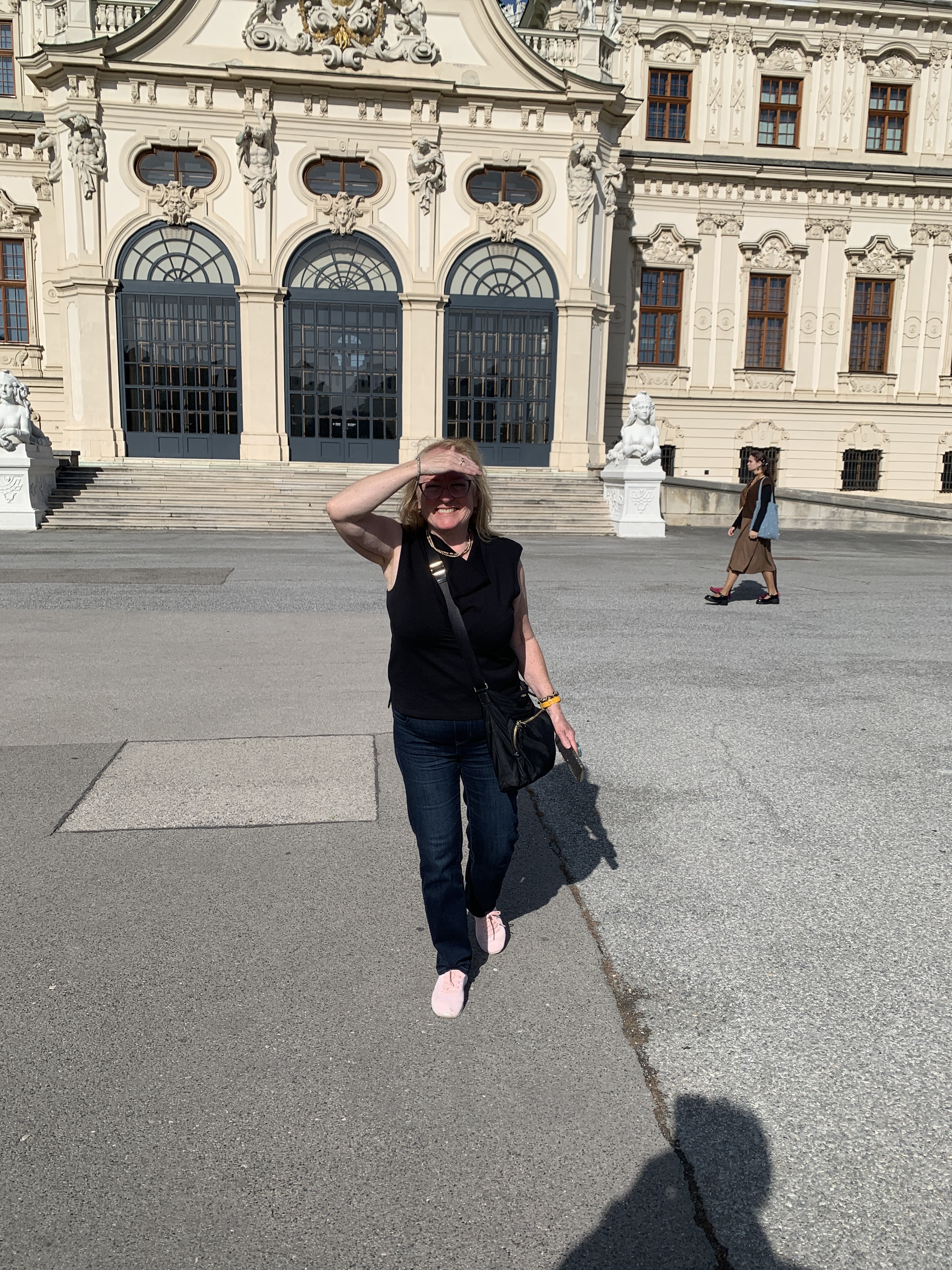
After the visit to the Third Man Museum we went to the Belvedere Museum, which has a collections of paintings from the Secession Movement, a 19th century group of artists who wanted to depart from more tradional painting styles. The collection is housed in one of the many Hapsburg palaces

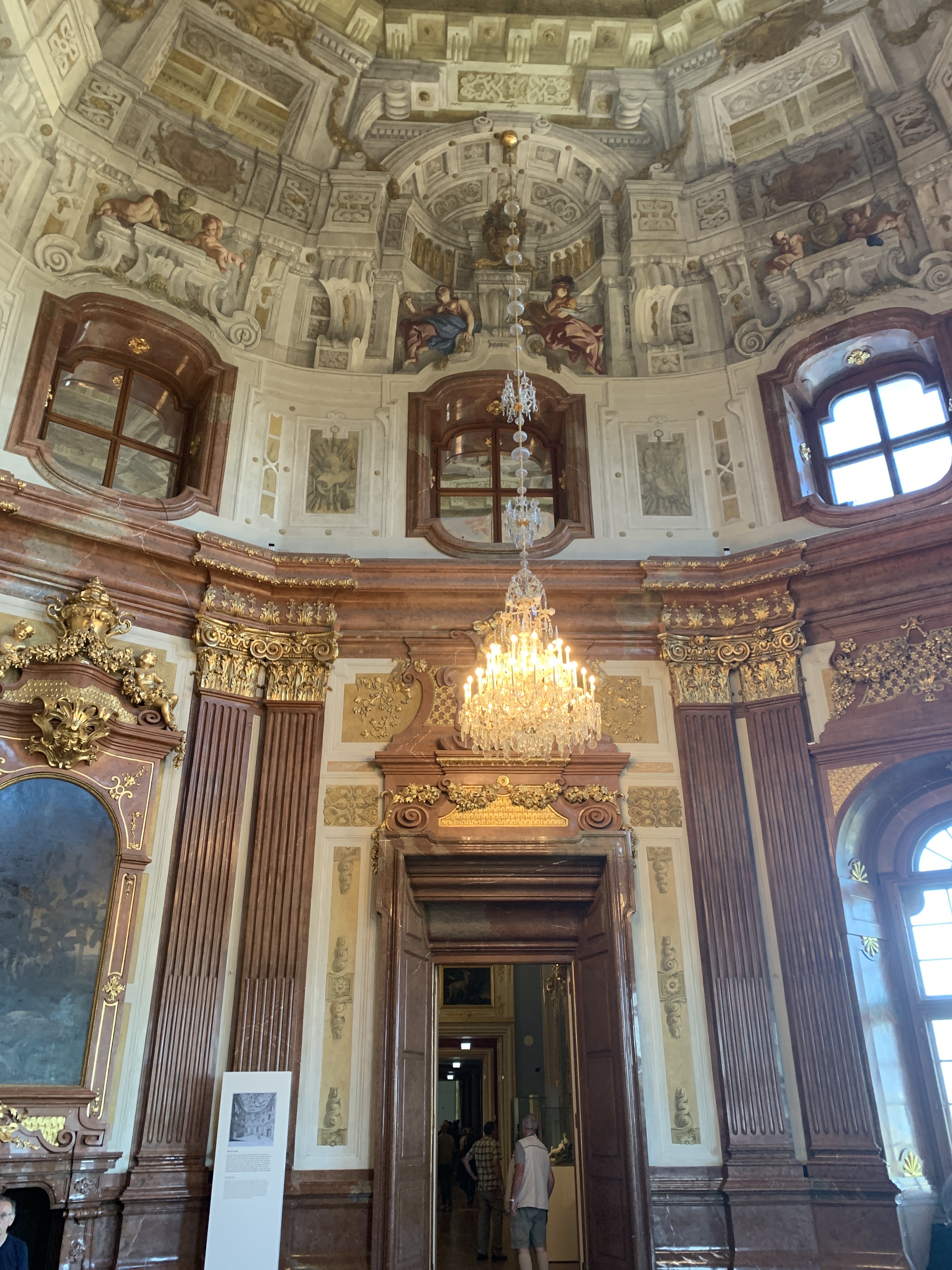
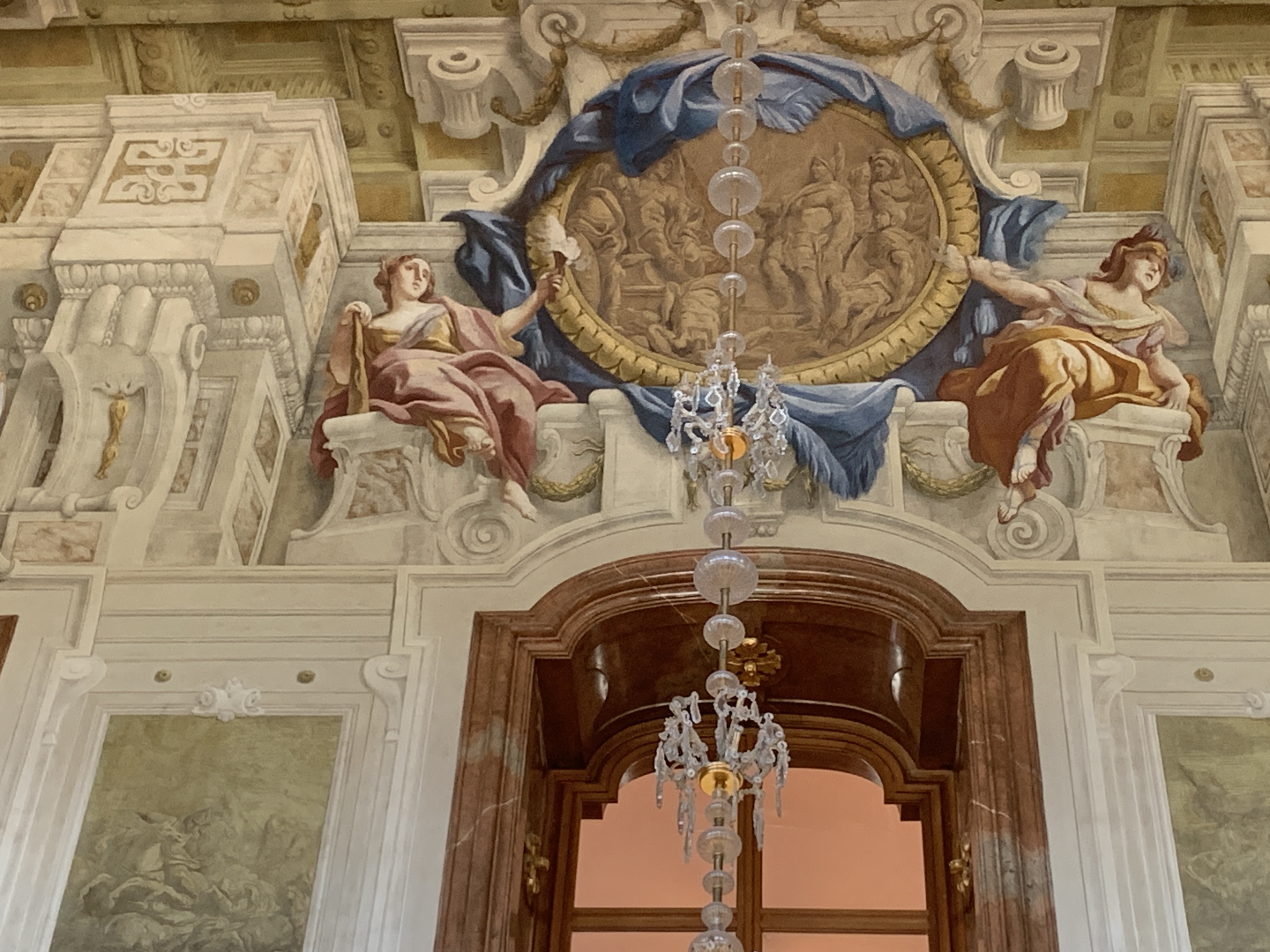

Below are some of the collections’s art by Klimt. The Golden Woman is one of his most famous.
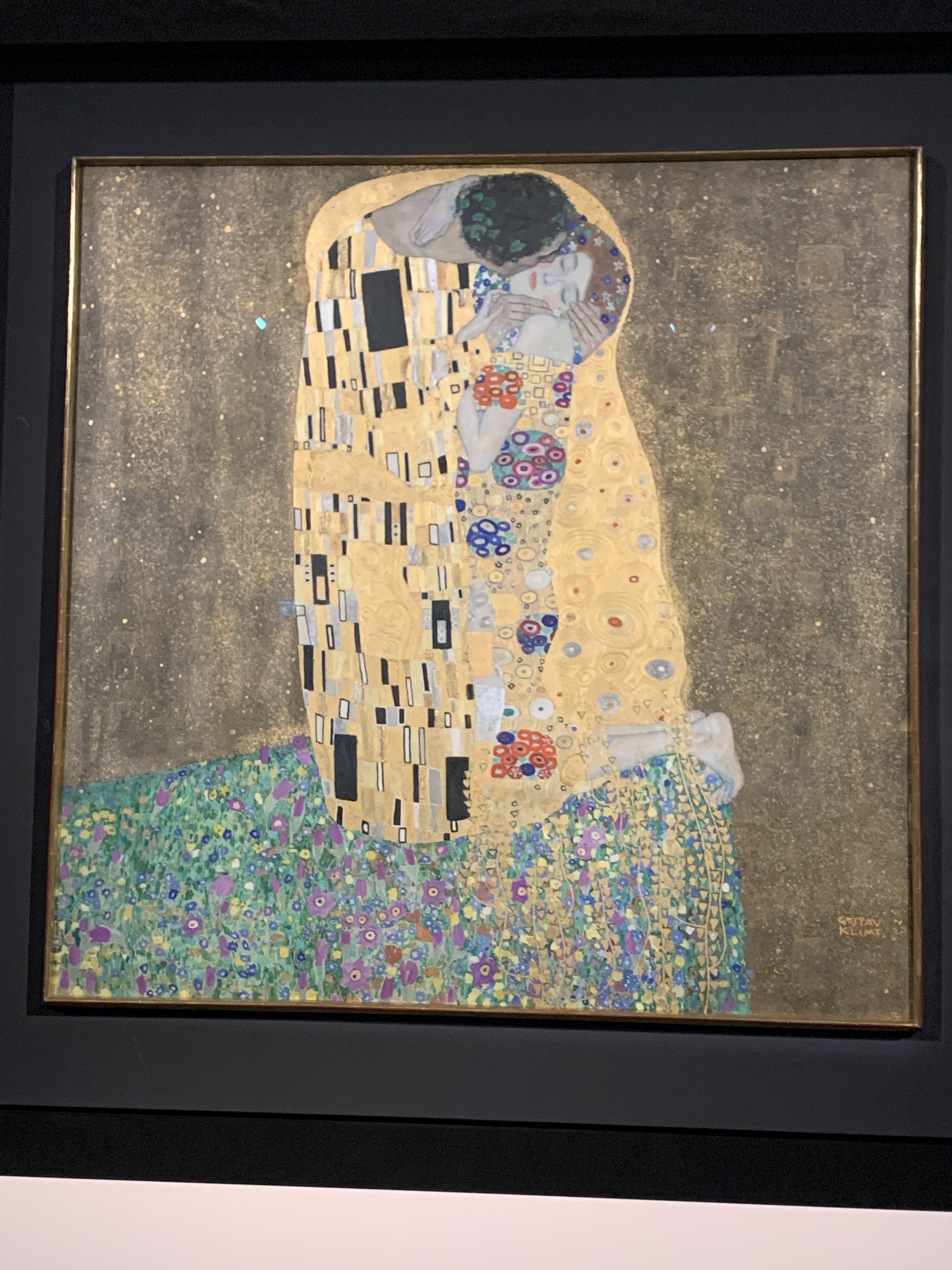
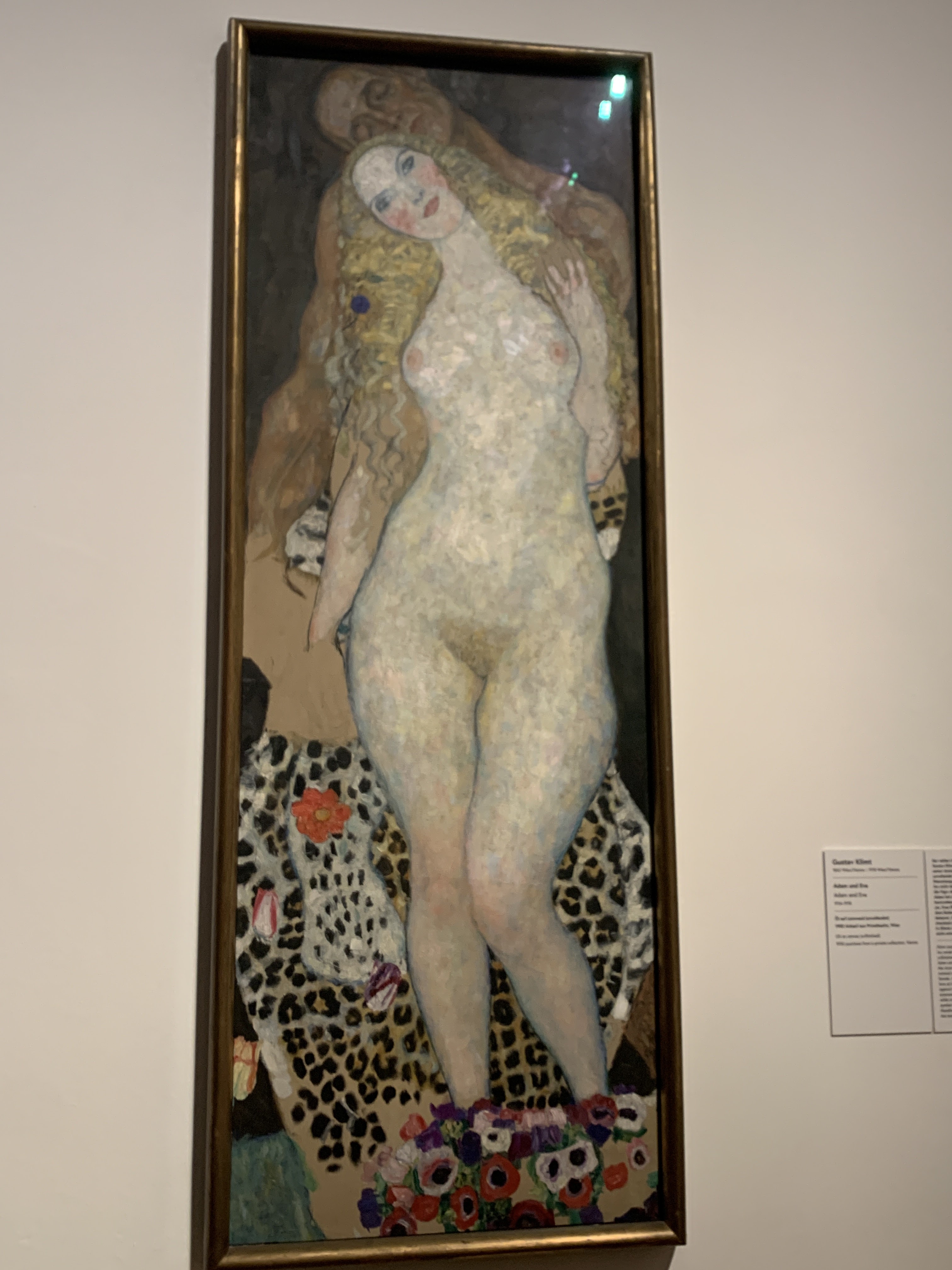
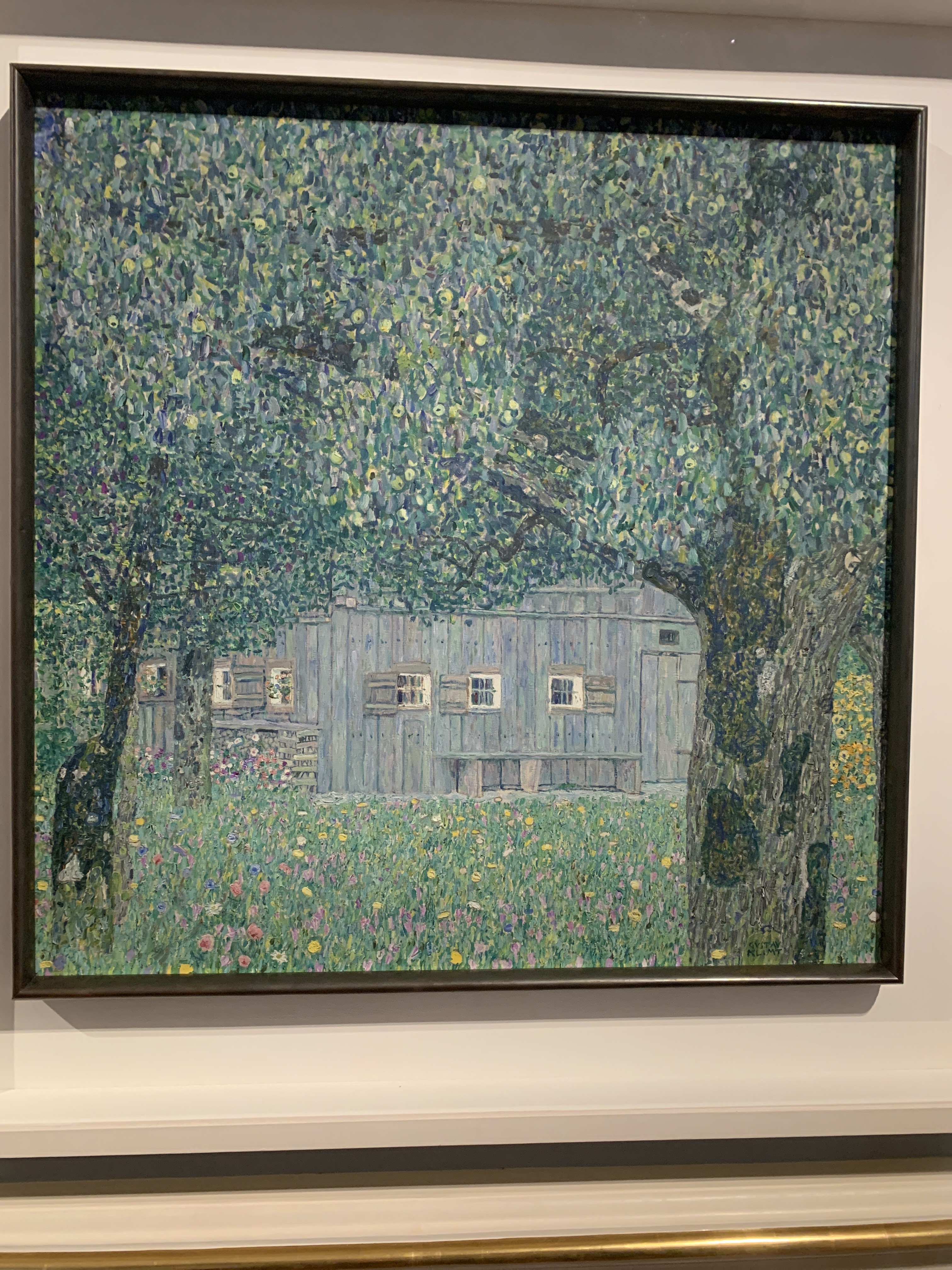
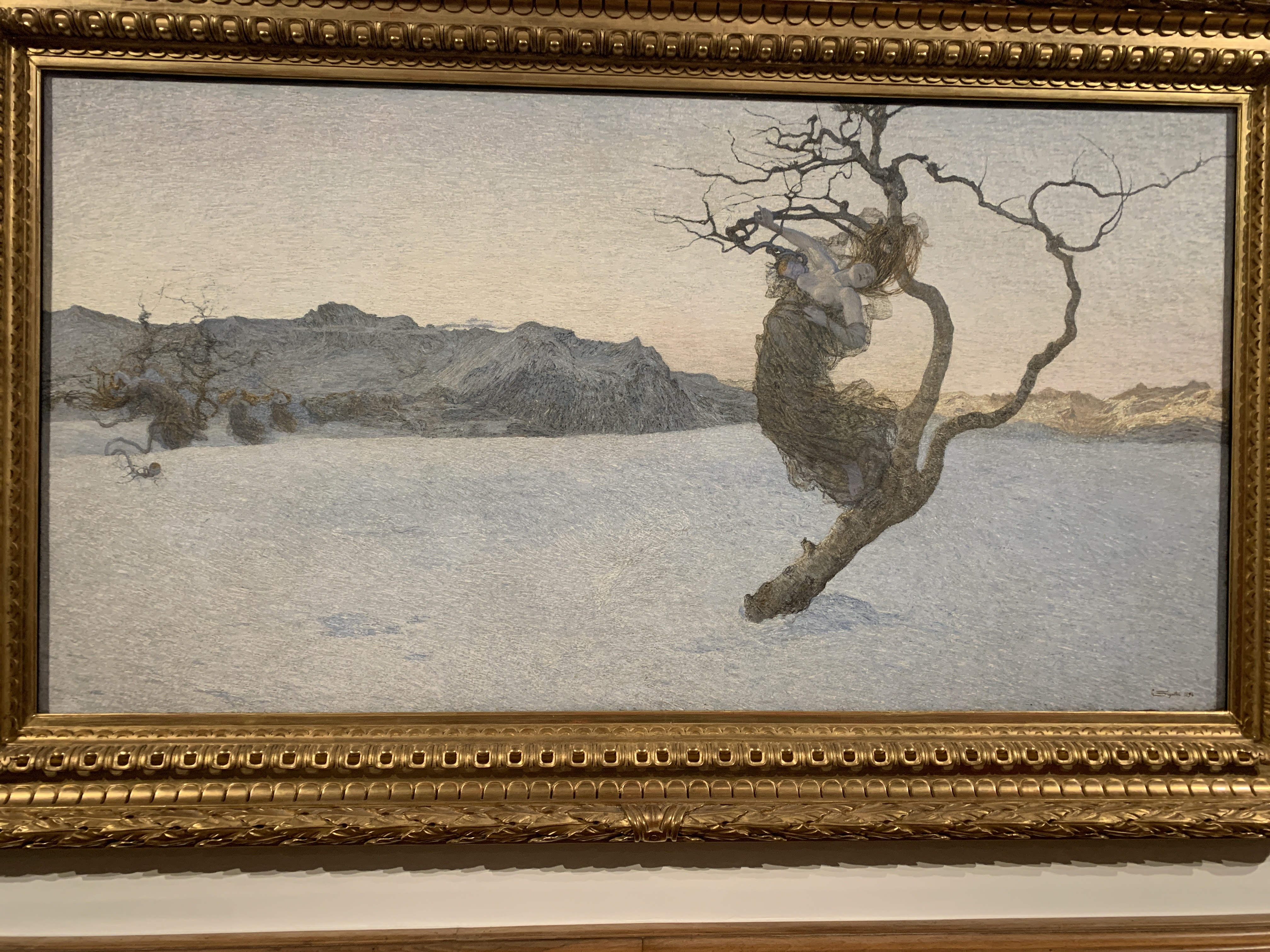
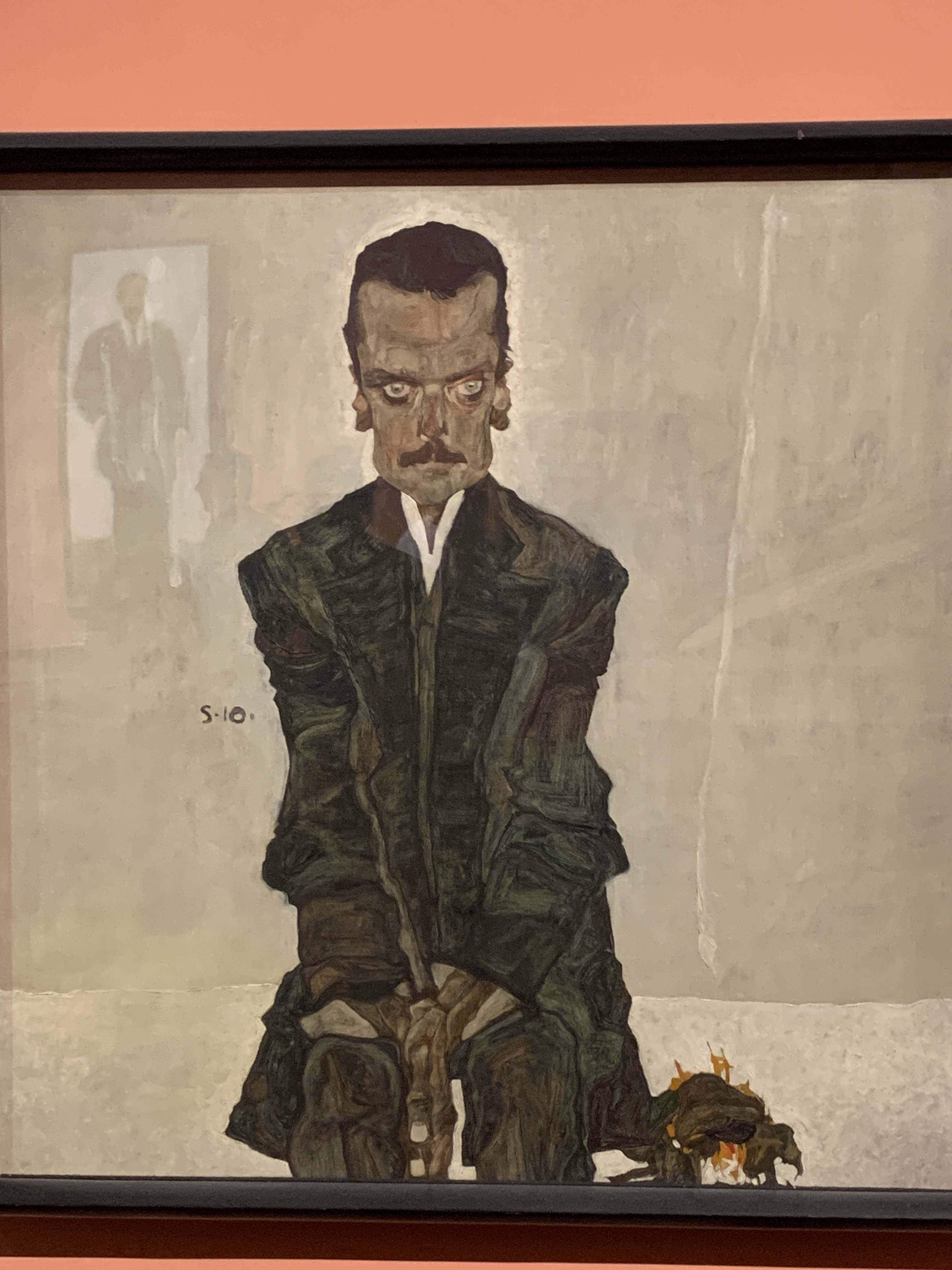
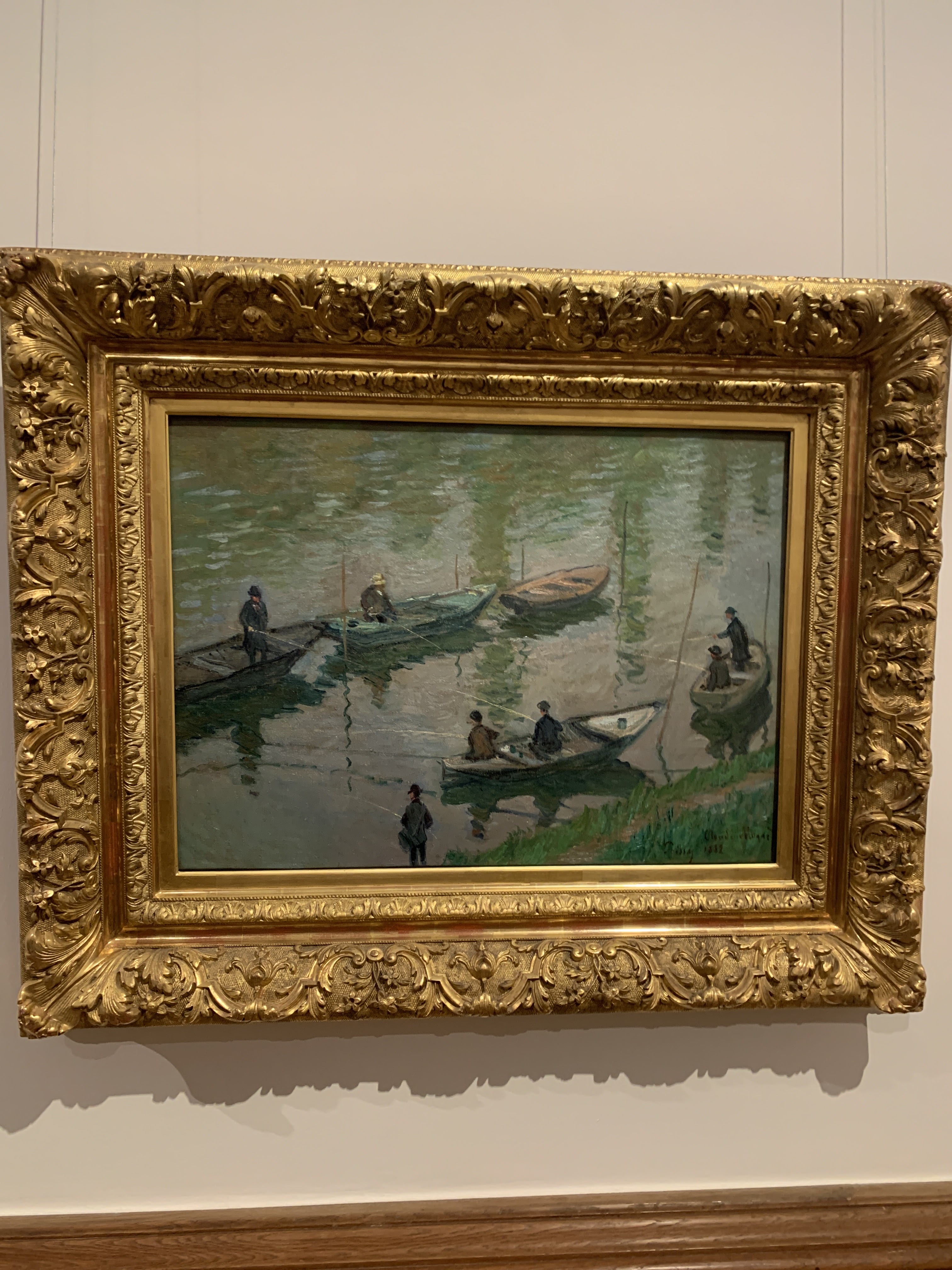
One Monet below
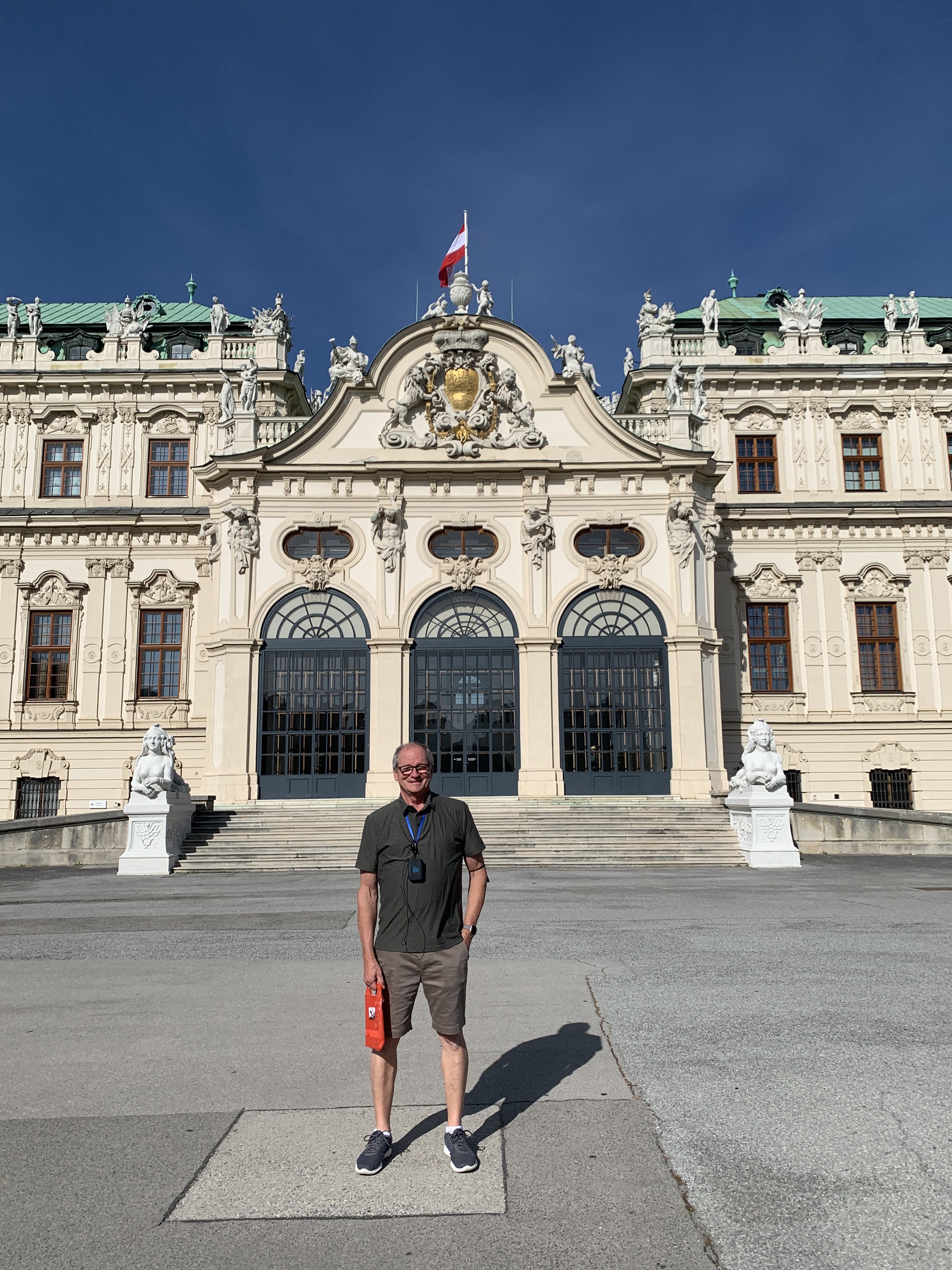
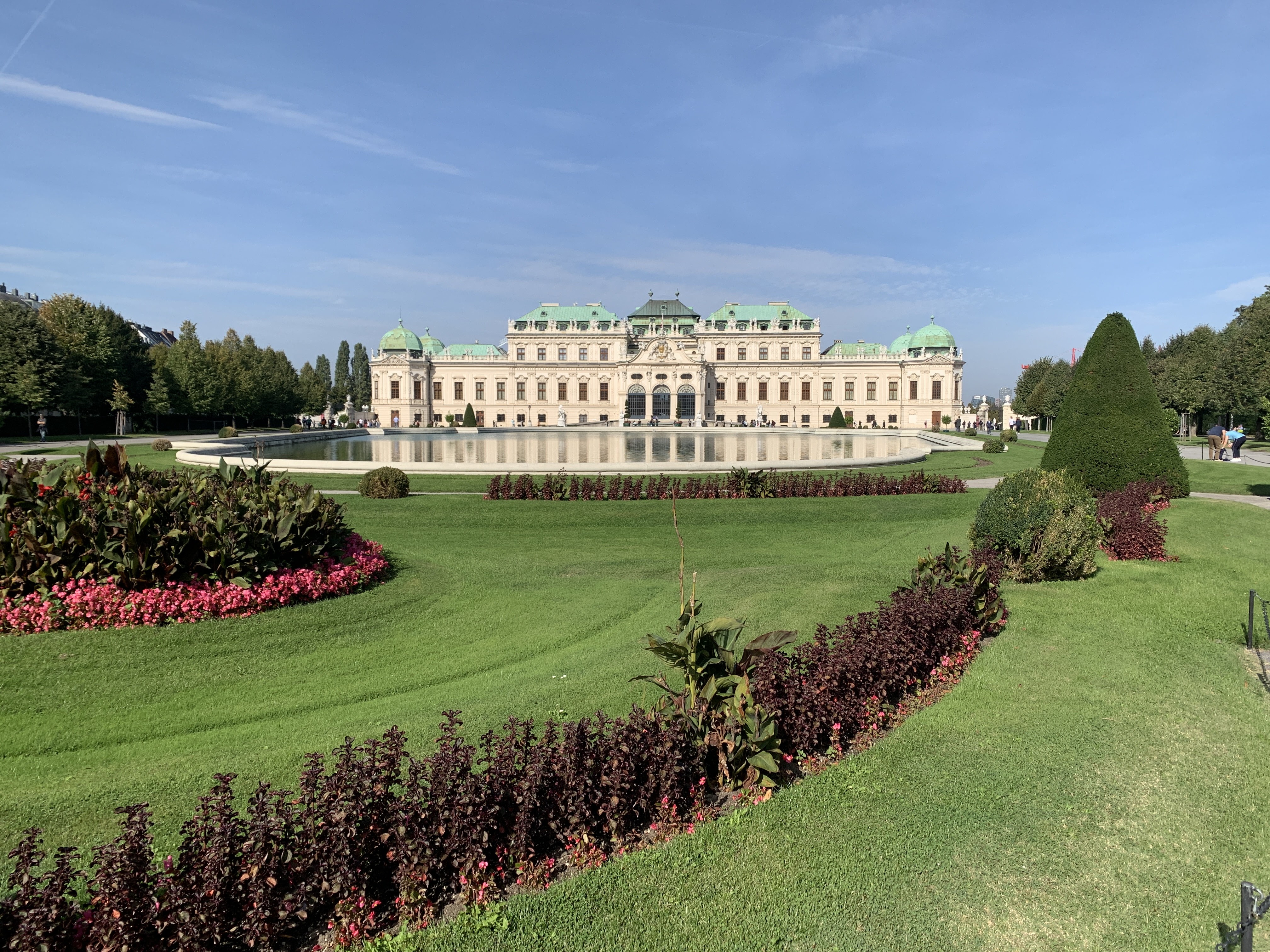
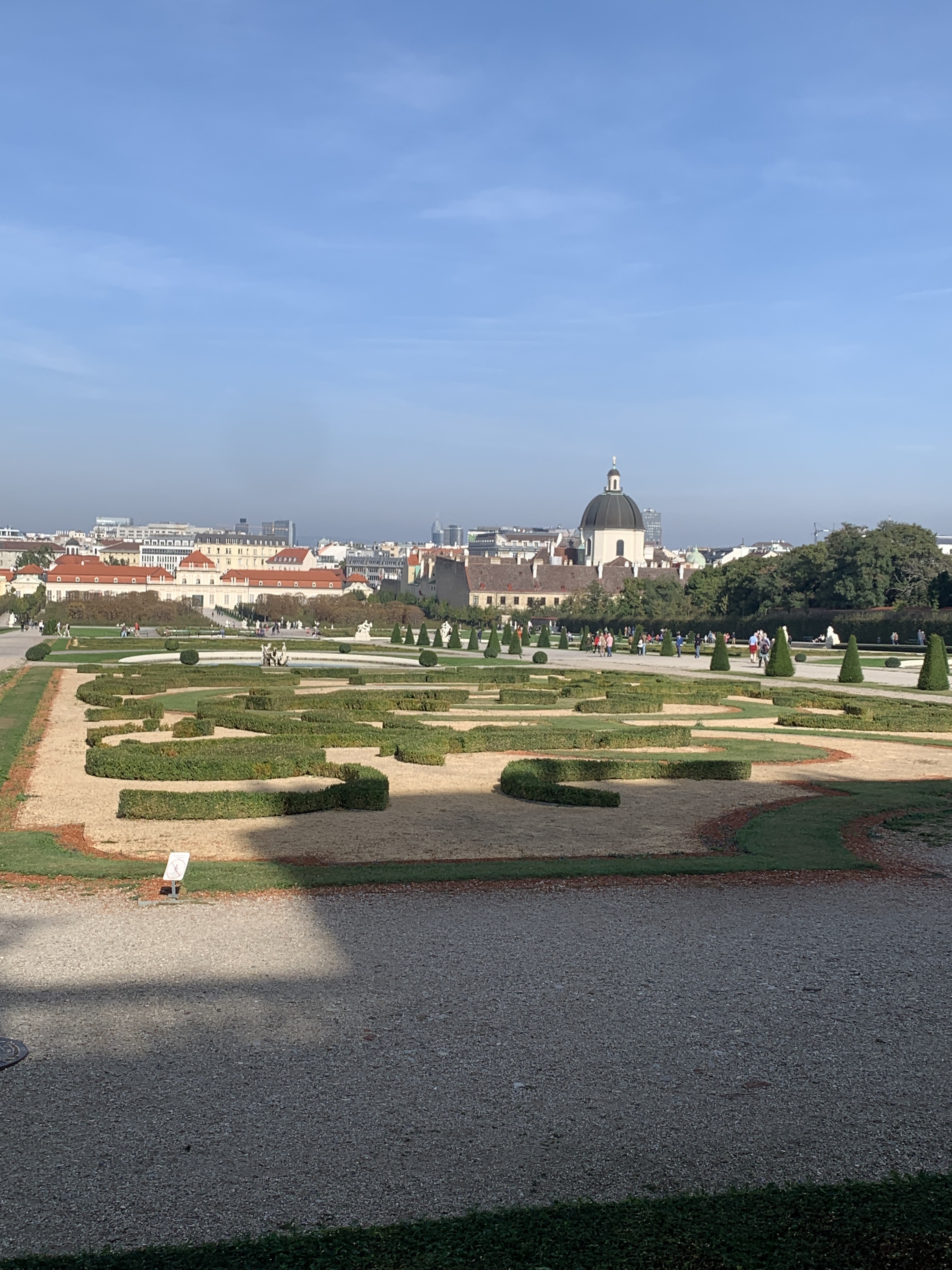
The Grounds outside the Hapsburg Palace where the Belvedere Museum is now hosted
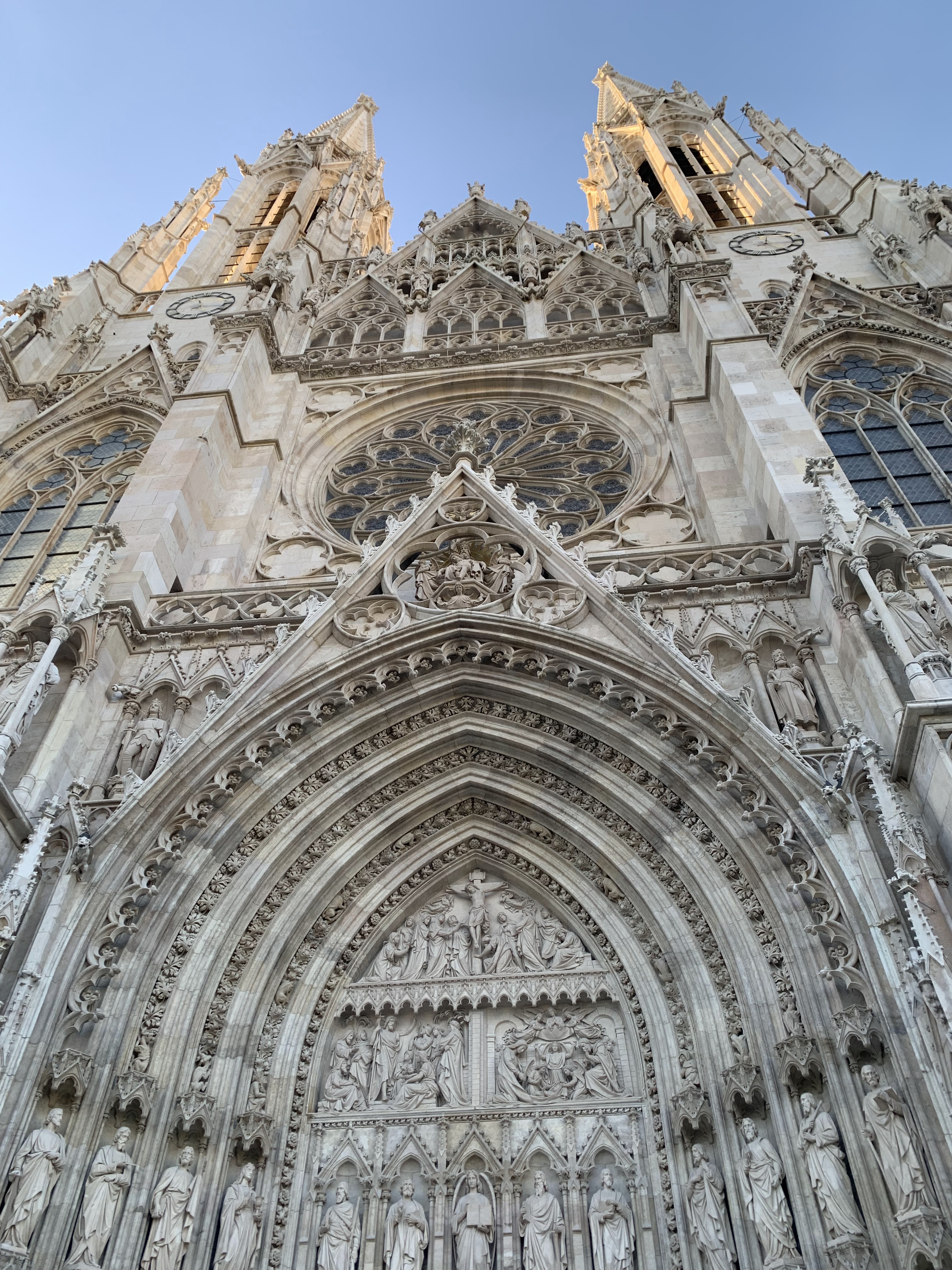
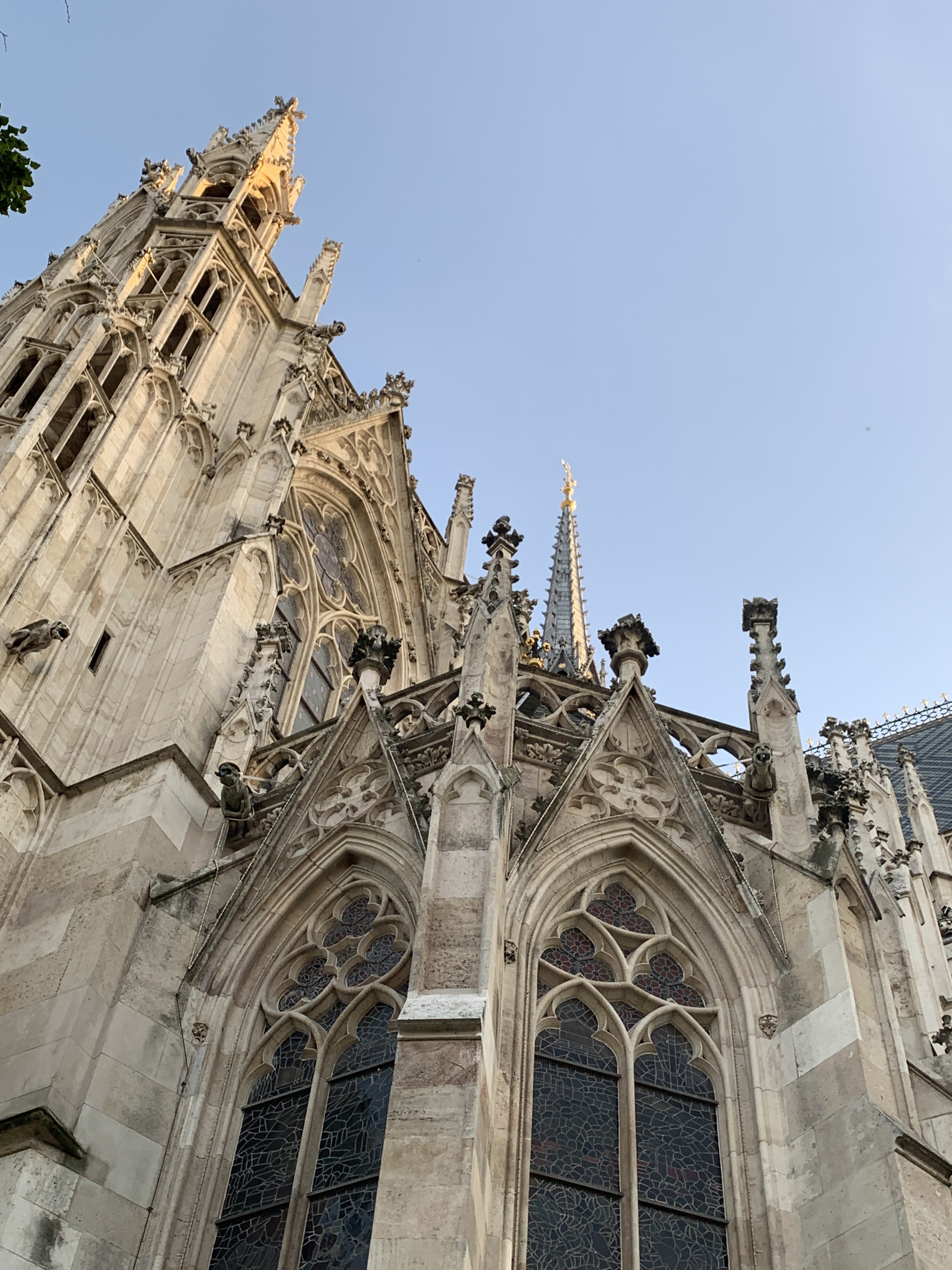
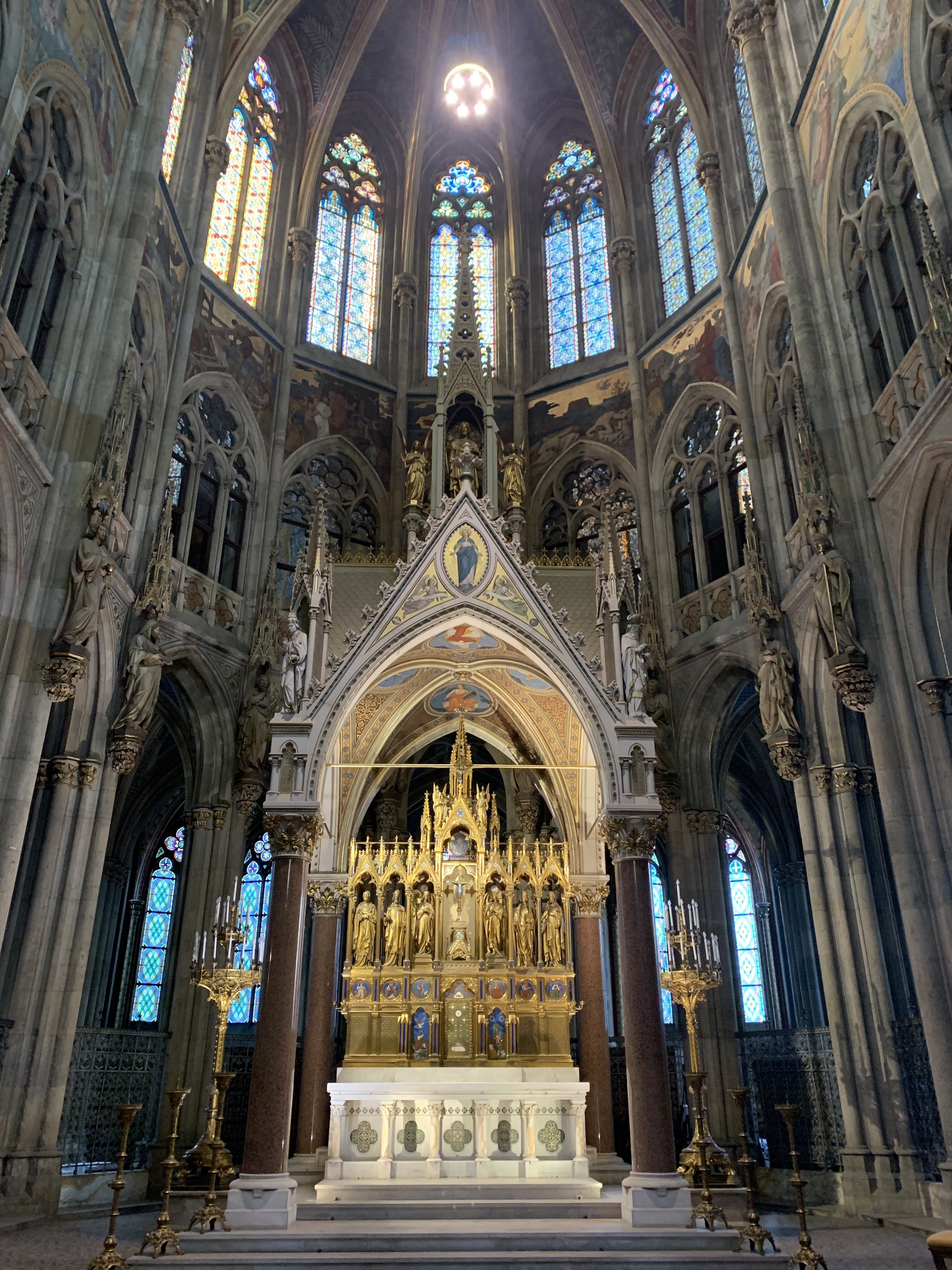
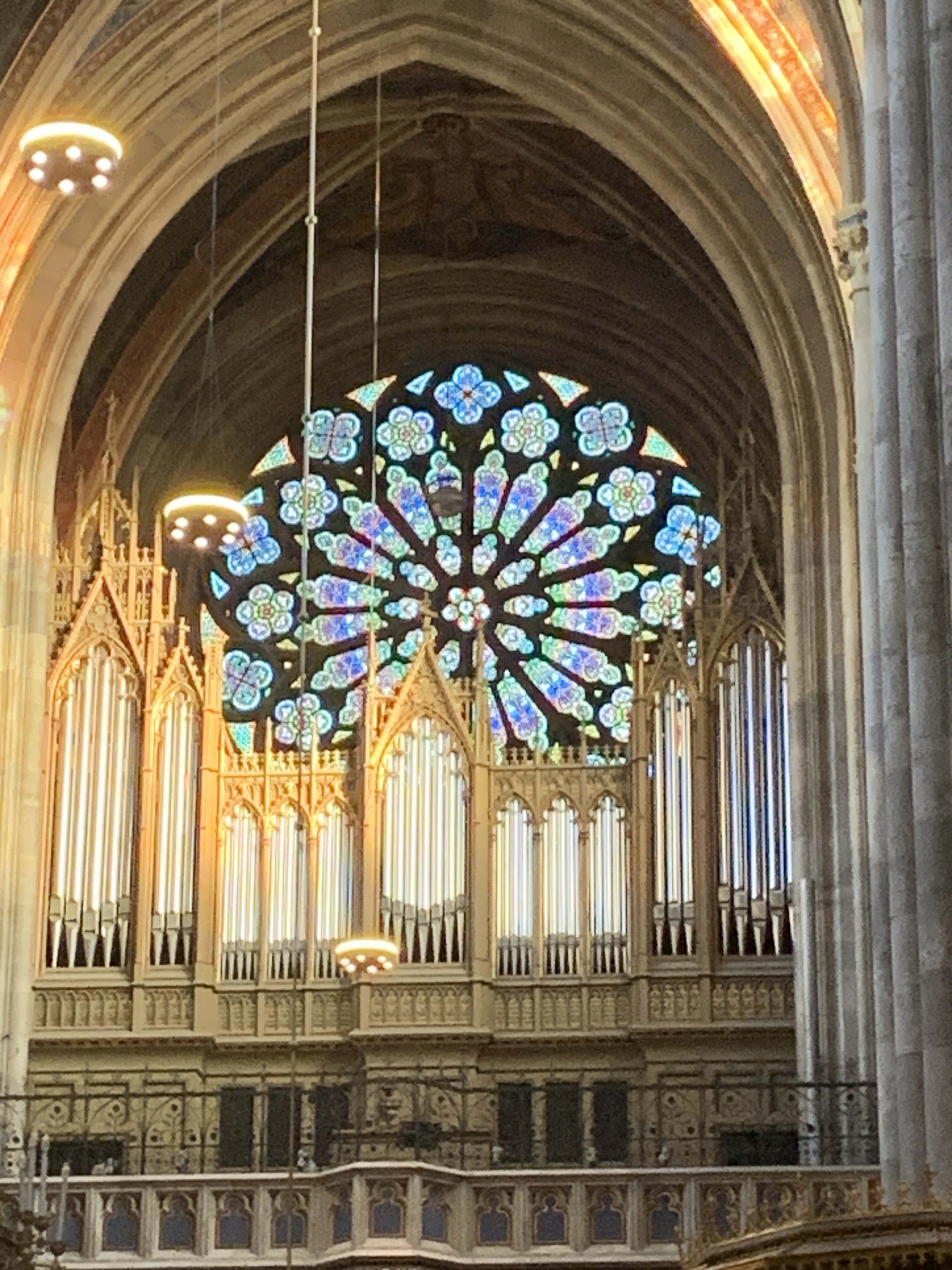
Our next stop was this incredible church, The Votivkirche



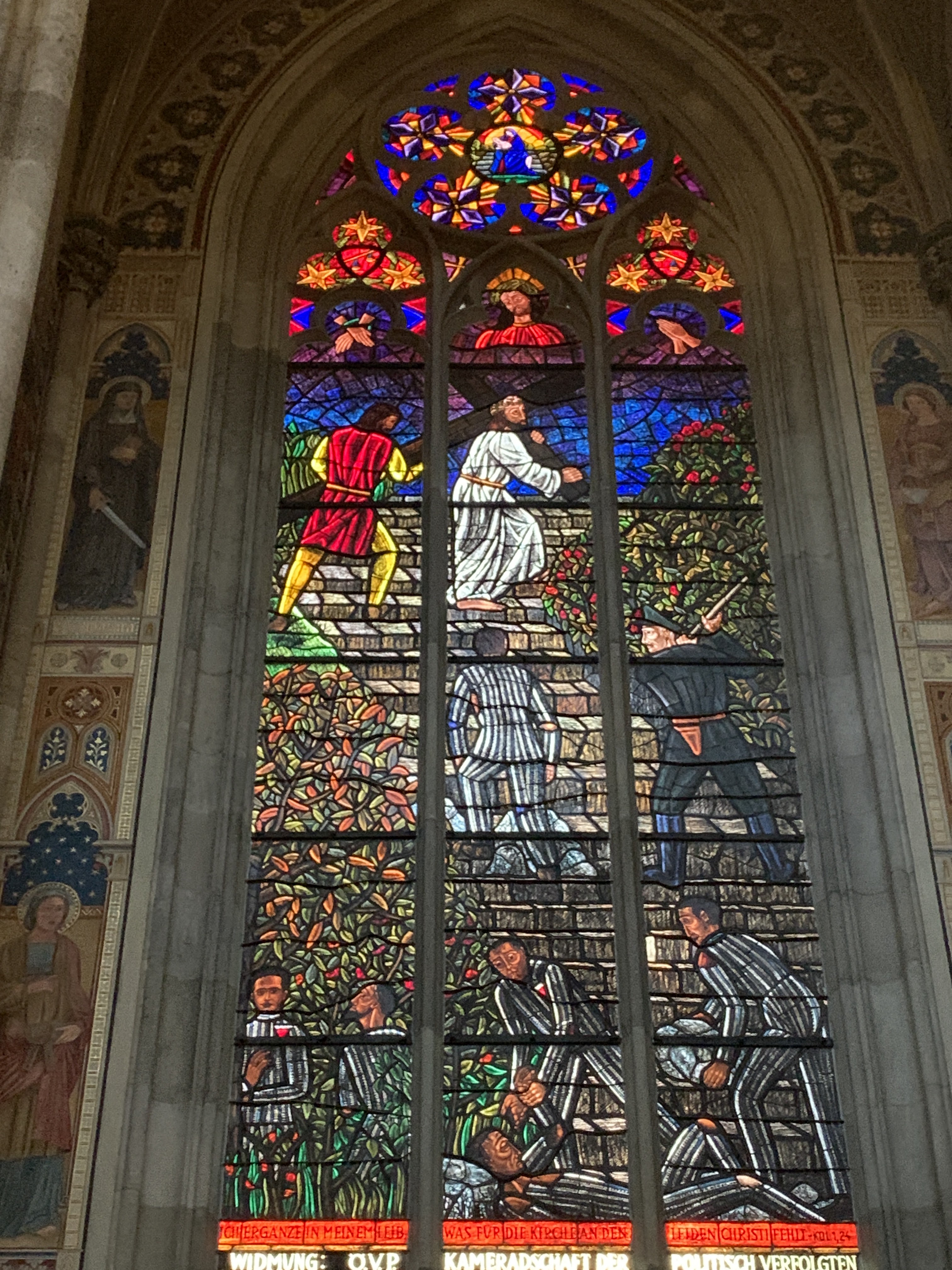
One of the glass mosiac panels depicted the Crucifixion of Jesus but when you look below there are victims of the Holocaust being marched to their death by a Nazi guard. This is a very disturbing panel and it is mportant that a church, in Austria, also culpable in the war of such atrocities, as they were early on incoporated into The Third Reich, chose to represent this horror.
Today is our last day in Vienna. Tomorrow we end the tour with our group and we head off to Salzburg on our own. More to come!
Berlin Day 4
On the second day of our officially guided tour, we went on a speed walking tour of the major sites around Berlin. Our guide Heidi was very familiar with what she wanted to convey, including the historical background of Germany’s political history, focusing on the impact of the royal families, as over the centuries. Alliances and falling outs were factors into how a united Germany came to be out of all the regional territories, controlled by different bloodlines. Needless to say there were many wars determining the outcome. House of Hohenzolllern
We saw churches built for the Protestant and Catholic faithful, royal palaces, universities and museums, all with their genesis in the royal households. Of course many of these structures were damaged in the aerial bombings of World War 2, and that requires ongoing restoration work. Many of the buildings are surrounded by scaffolding, which does take away a bit of their glamor. A new kind of war, if more a the will of the environmentalists, certainly worthy aspirations, also has a graphic effect on the Brandenburg Gate, with the color orange, which you see random streaks of throughout the city, reflecting the protests. As our guide morphed beyond the impact of the royal households, we were given and overview of the founding of a democratic Germany, like the Weimar Republic, doomed by the economic catastrophe of the Great Depression, which led to the rise of Hitler and the Nazi party, whose propaganda machine fused with brutality, led to the deaths of over 50 million people. Sad but interesting to see the impact of those who use their power to divide the people, as opposed to leadership that seeks to unite all of us. We stood above the ground where Hitler had his extensive bunker complex, with concrete and rebar 16 feet in thickness, where he and his newly married consort Eva Braun took their own lives, as Germany’s defeat was secured. The space above that bunker is now a parking lot, an interesting suppression for an area so important in history. As if to reaffirm the symbolism of concrete and stone, we walked around the somber slabs of the monument memorializing the mass extermination of the Jewish community under the Nazis. We ended the tour in the Turkish quarter Kreuzberg with a very wonderful lunch of appetizers with flatbread and kabobs. We had open time in the afternoon to wander around a very busy downtown on the eve of Reunification day, which we have arrived at today October 3rd. Oh! We went to a beer garden last night for a few beers with the group and not an IPA to be had, must be an American thing, enjoy the pictures below.

Heidi our guide


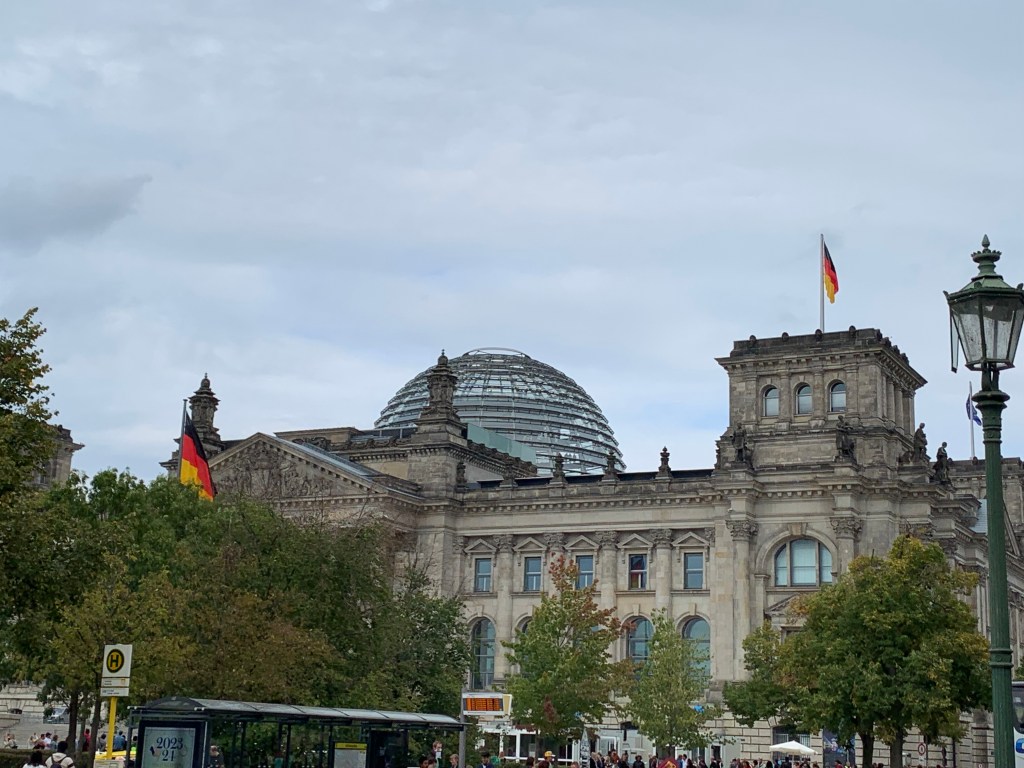
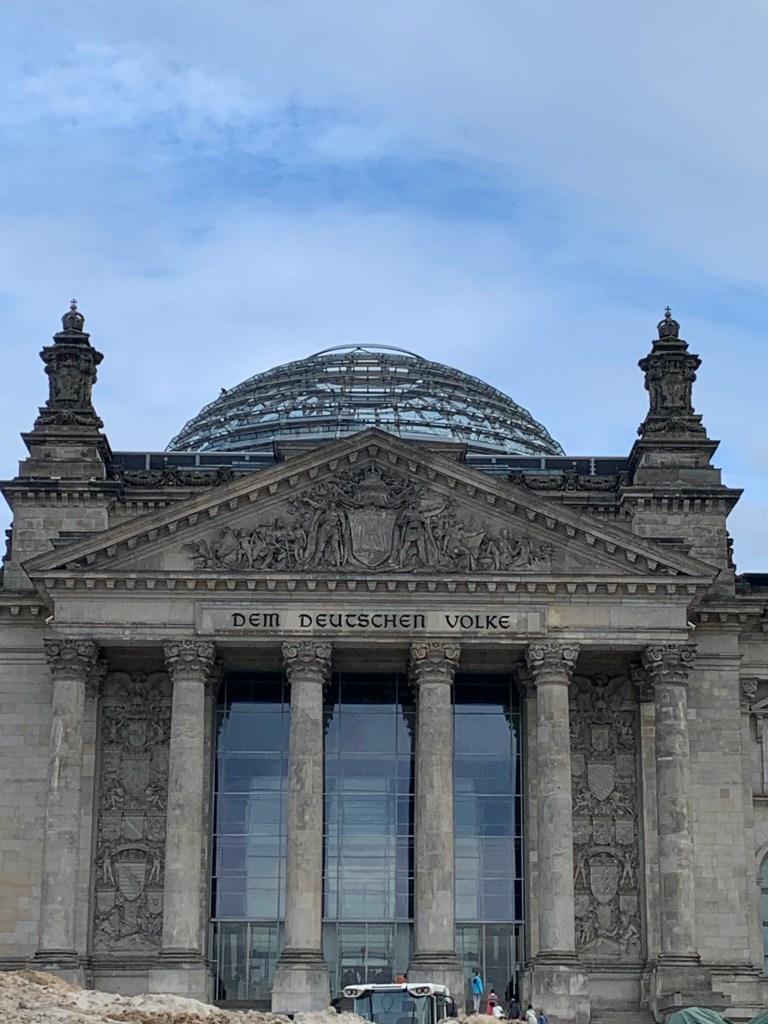
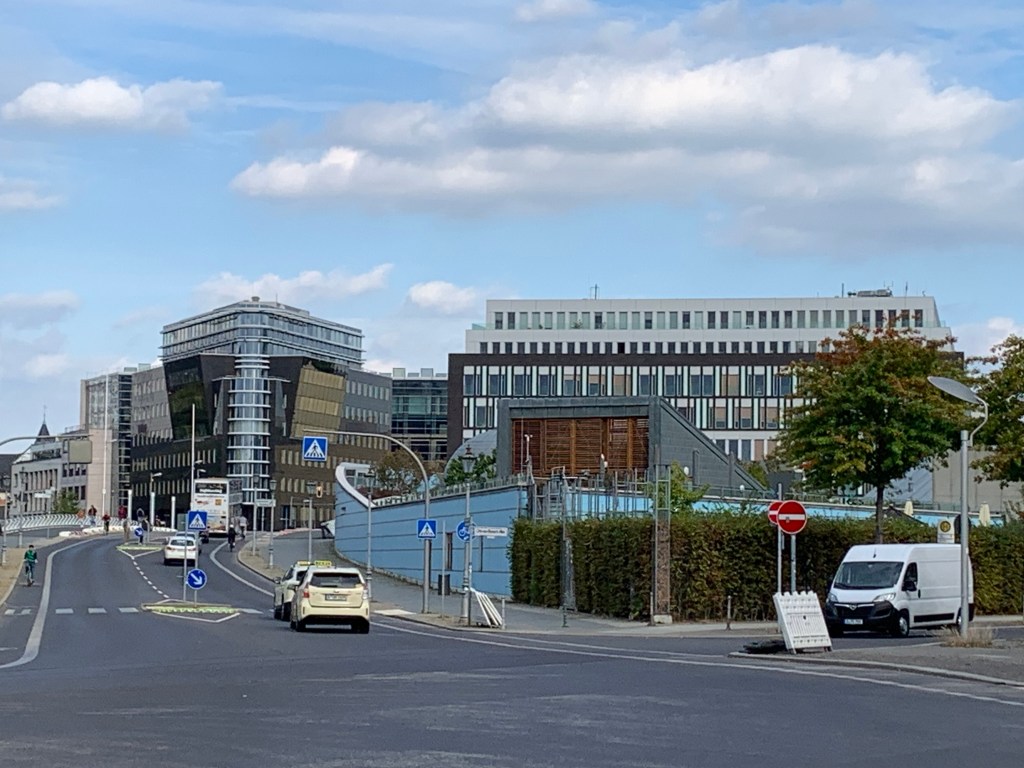
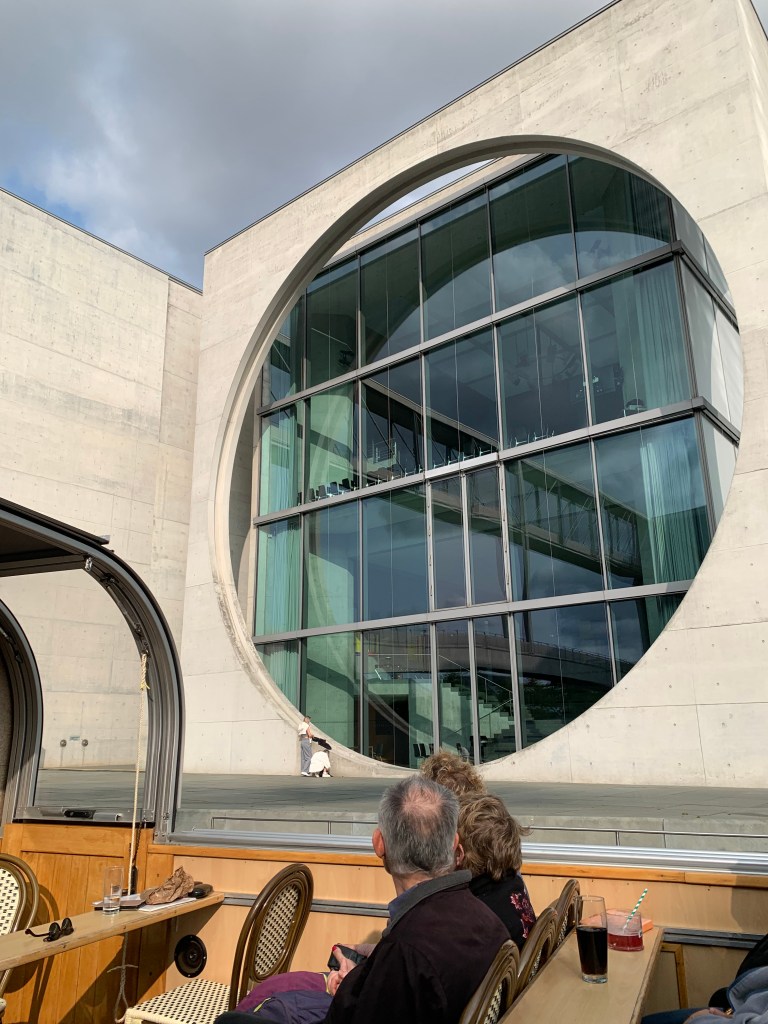
Today we visited the center of the German government, The Bundesregierung, with the glass dome that people can ascend via a round ramp to check out the city of Berlin, and look down on the legislators, when in session. Now you’ll really know how your representative voted. The access to that dome is very limited, based on popularity, but Amy found a way to get in with a walkup ticket kiosk, so we are going on Tuesday, when we have free time from the tour. We are here during a very important holiday for all Germans, east and west. The holiday celebrates the reunification of Germany, symbolized by the tearing done of the wall in 1989. Part of our tour today includes memorials of the wall. When you ride the S trains, you will see sections of the wall still standing and also exposed rebar of wall sections, so the symbolism of opened and closed is a constant reminder of what freedom and tyranny look like. Yesterday we started our actual tour with 28 others, with a meeting to get to know each other and have a traditional German dinner, which was very good, very filling, and very much editable for seconds. Again the modernist architecture catches my eye, as seen from below. On to day 4 still not completely synch up timezone wise, so hopefully your mobiles are on silent.


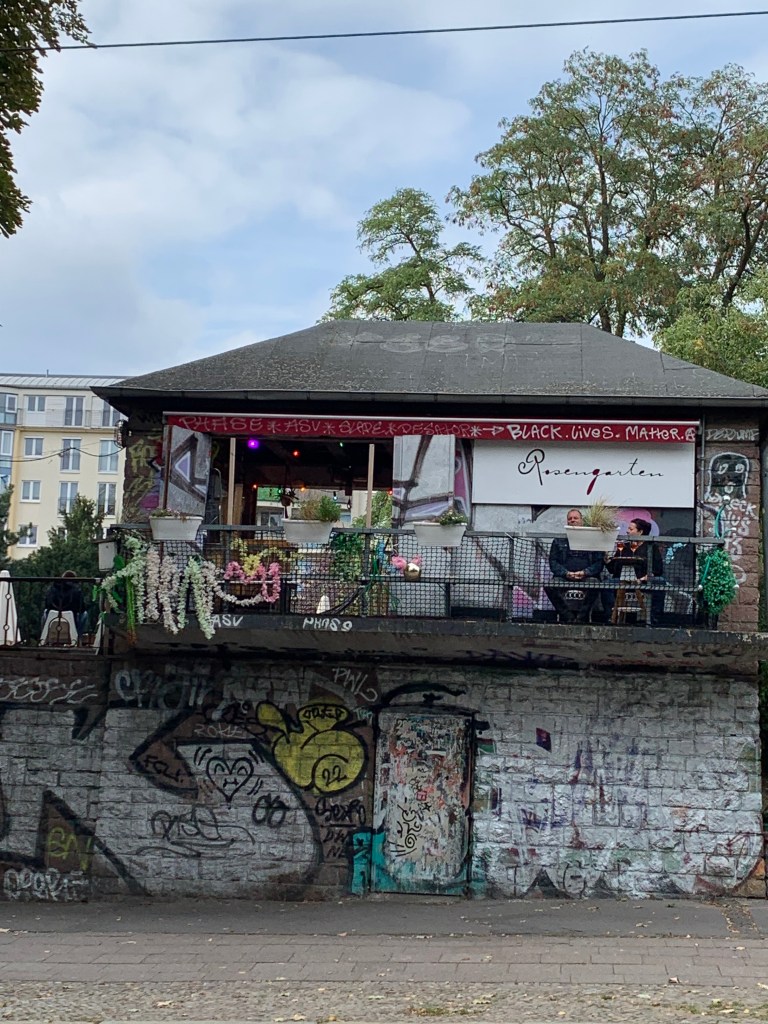
Not really sure what this old stone building is a remnant of could be atop a section of the wall but now a cozy little bar.
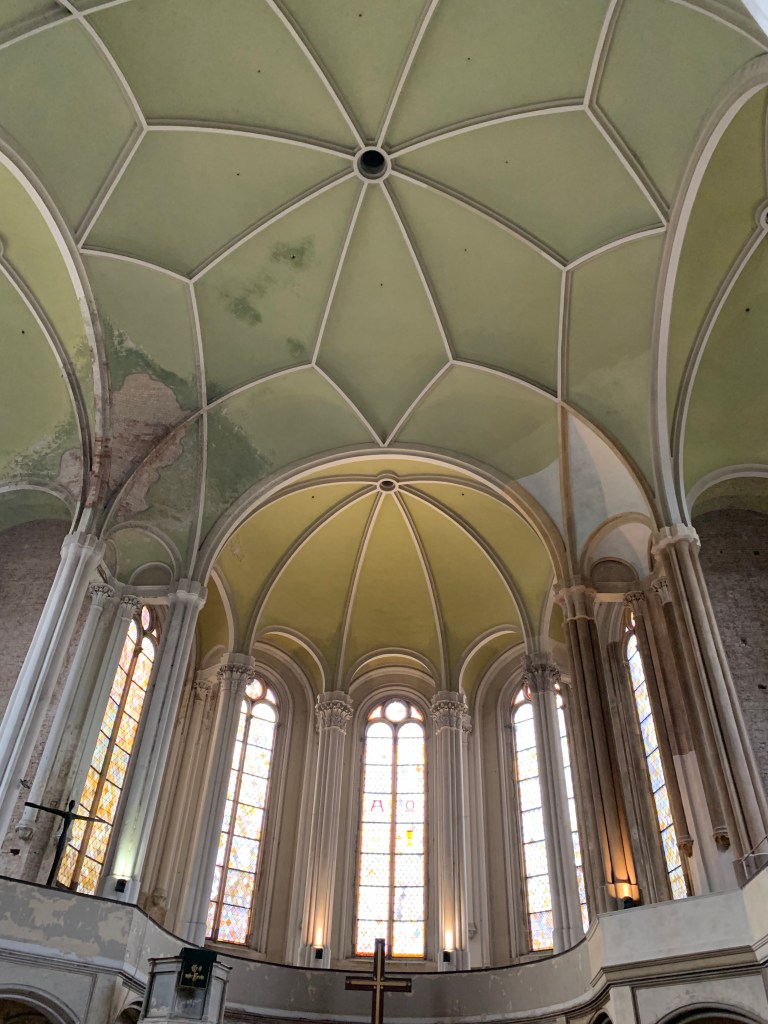
Happened upon this church on our stroll.
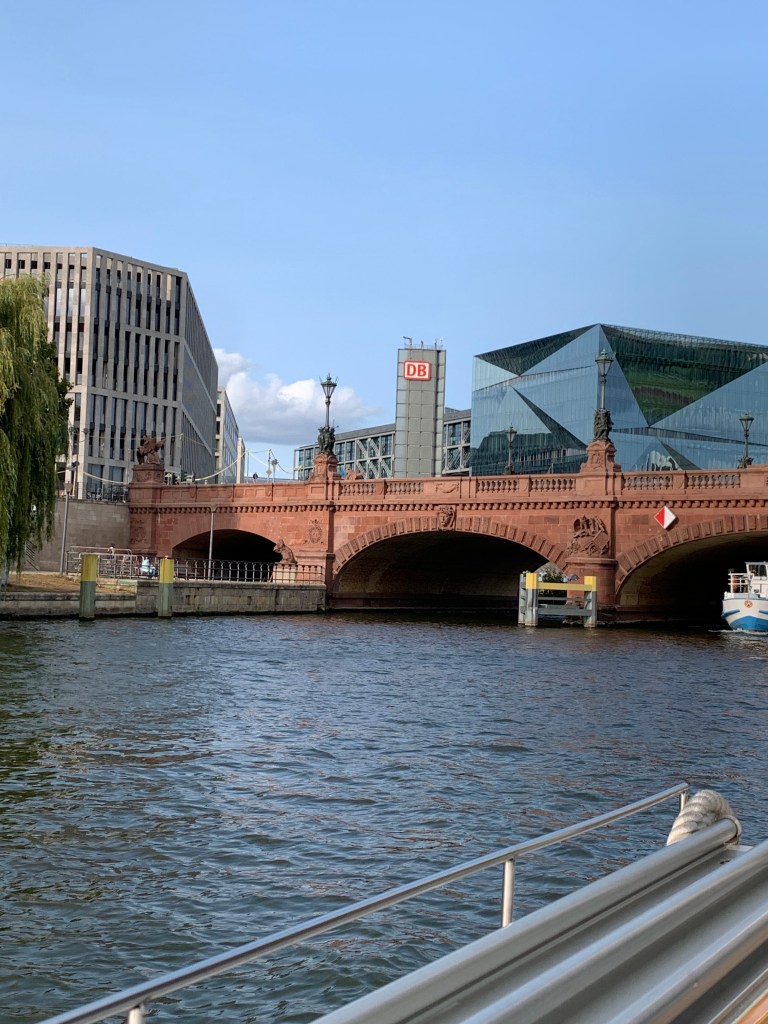
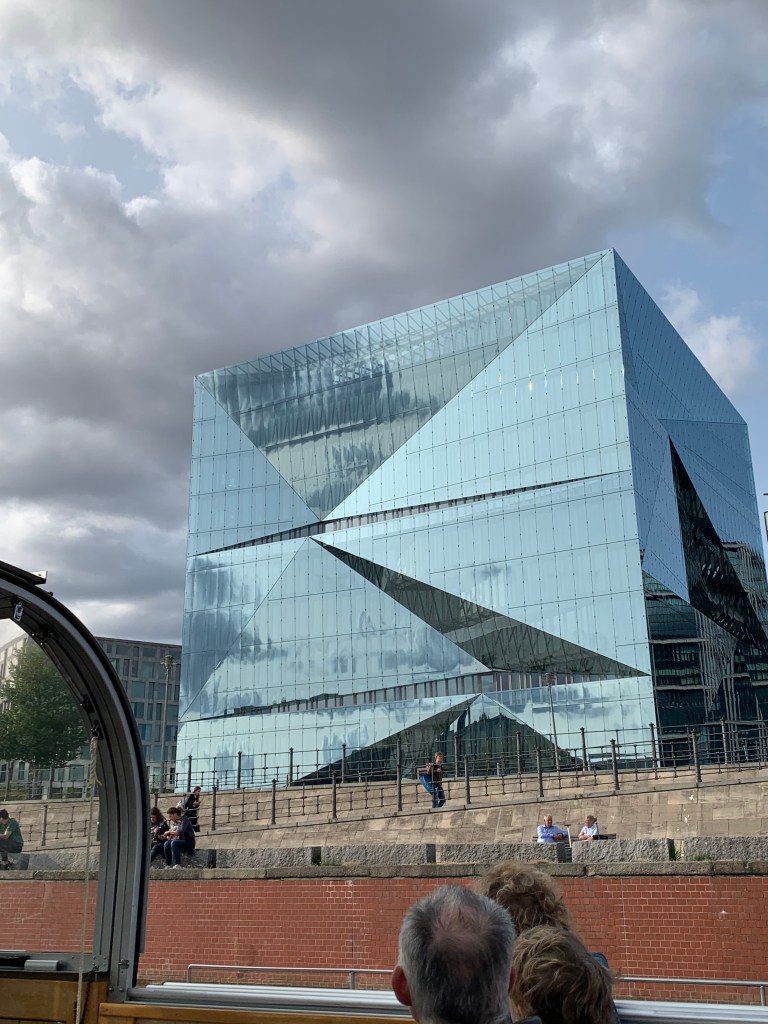
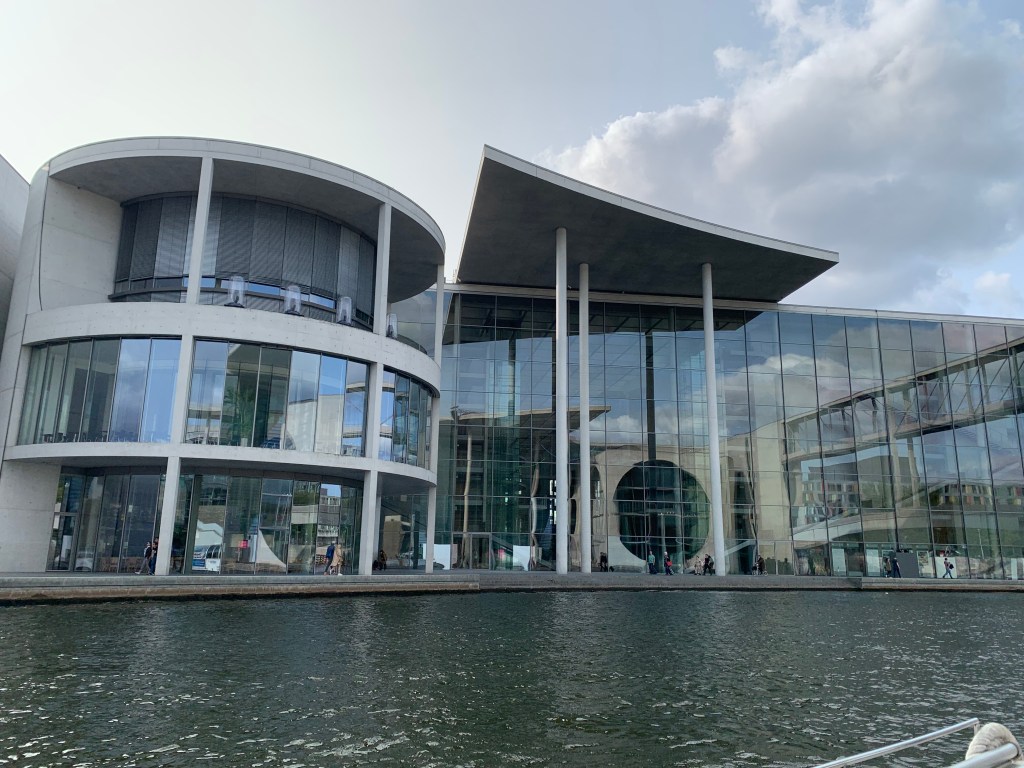
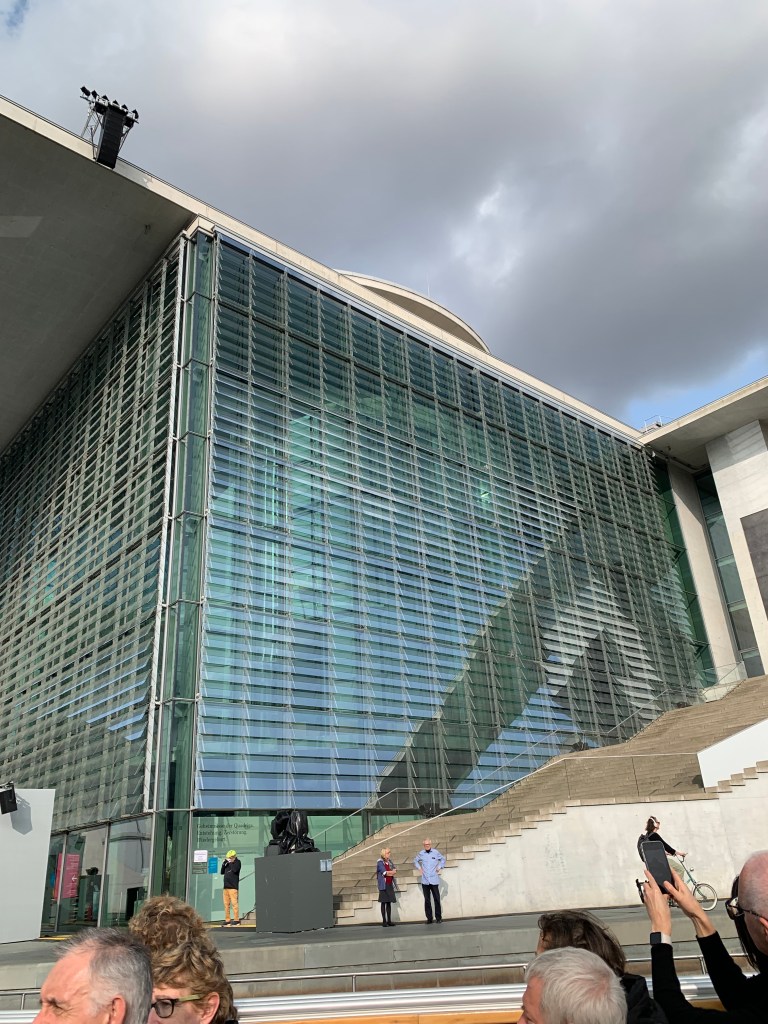
We have covered a lot of ground today, some good walks, and utilizing the very developed transit system. We took a River Spree tour to get more familar with the city and it was such a nice fall day to do so. We don’t tour in our own backyard, so hard to compare with Berlin, and the German people. Berlin is a very cosmopolitan city. Like Seattle the youth scene here is as diverse in how they dress, and that is a hint into their lifestyle. I know there are all these names for age classes, like Gen X, Gen Z, and of course the Boomers, of which we are proud ambassadors. I would call this generation of youth as Gen IP for its infectious potency, because of the diversity of dress and lifestyles, and how it has morphed across age groups. I’ve seen a number of grannies and grampas with some artfully rendered hair cuts and colors, and vivid body art. You can’t put that Genie back in the bottle. The city was humming yesterday with so many people out happily chatting, and enjoying the beautiful fall day.Maybe its the looming chilly weather but I suspect the vibrancy of this urbane city is good for all seasons. Berlin reminds me a lot of New York without the skyscrapers and I am going to hazard some of our edgiiness, based on the present very polarized society. Ah but politics spoil things that are better focused on, but enough of my editorial comments, on with Berlin Day 2. The boat tour on the Spree River took us through the government center, as they refer to it, so we saw the Reichstag with the famous glass dome, the residence of the chancelor, and many other government buildings. We also saw Museum Island and we rook a number of pictures, as you might imagine. There is this incredible looming Protestant Church on the river too. I tried to focus on the modernity of the buildings, very sharp lines, interesting shapes, and much glass. Now on to Puccini’s opera Il Trittico very well porduced and performed. More of tragicomedy than full blown daggers out kind of opera, it is a stoey of infidelity, discovery and reckoning. After the intermission a completely different comic farce, very funny but totally not the first half of the play. I guess Puccini needed to dry tears and lighten up the entertainment. For Day 3 of our Berlin experience, we go on our official Rick Steves tour, where we further explore Berlin, then on to Dresden, Prague, and Vienna, more postings to come, Auf Wiedersehen!
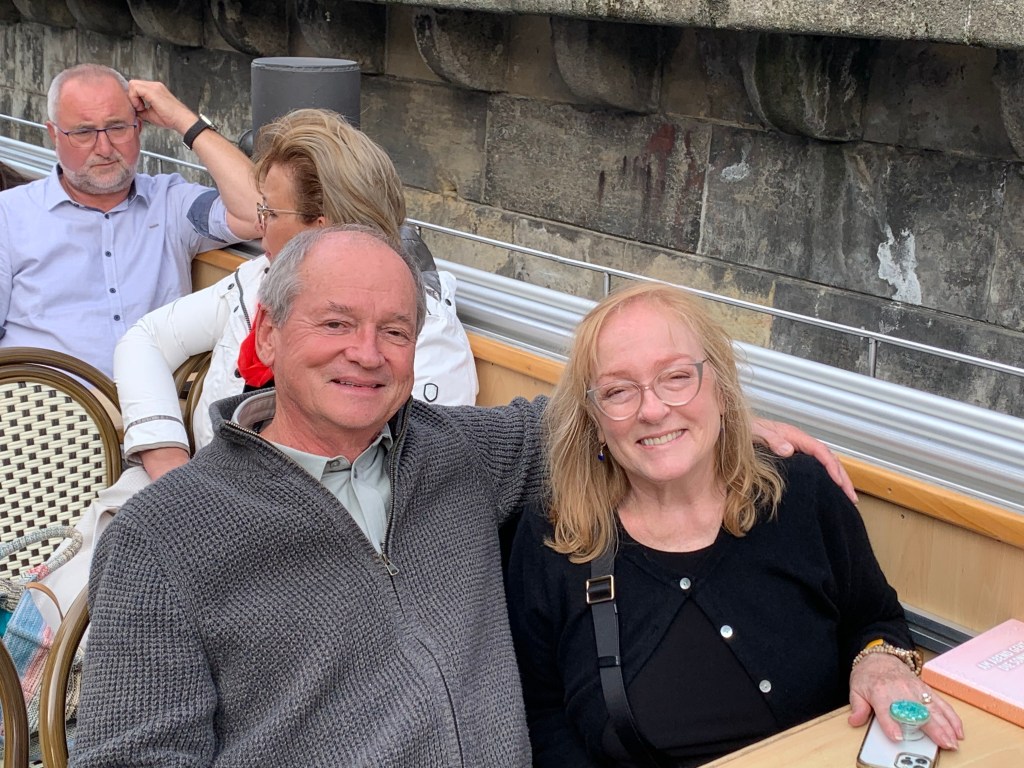
ready for our trip on the River Spree

The huge Protestant Church currently getting a major preservation effort
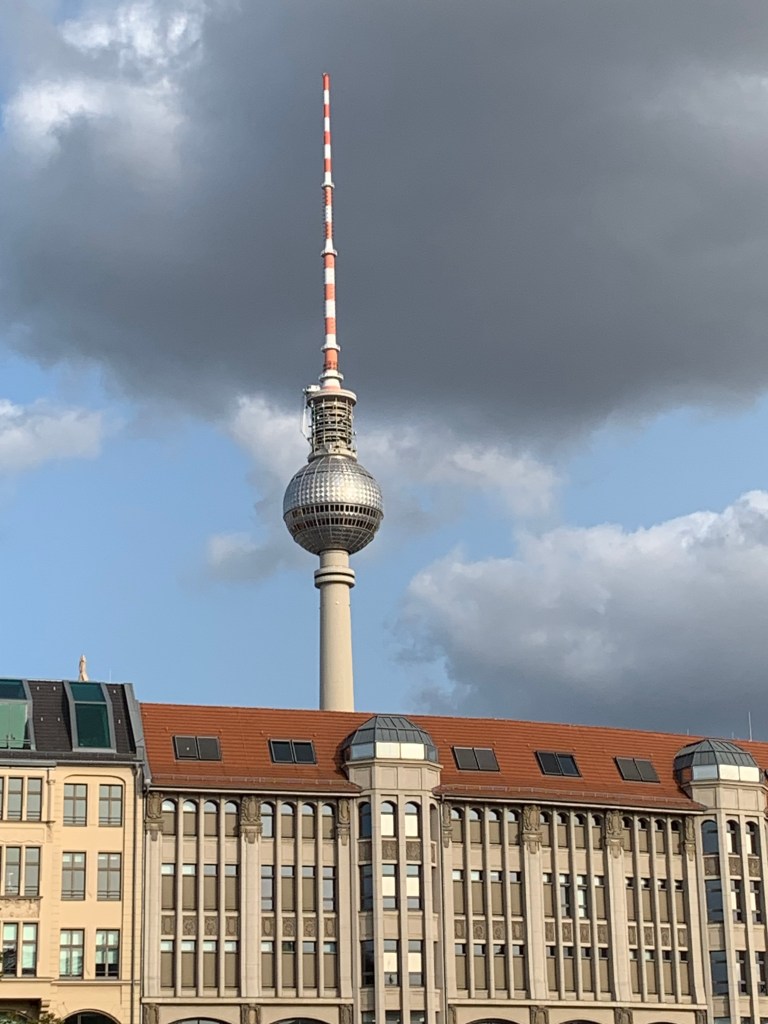
The famous landmark TV Tower


Night at the Opera
 Davitte Blog